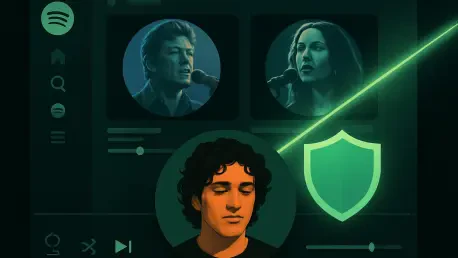

Digital storefronts for musicians have transformed into battlegrounds where the line between a genuine masterpiece and a calculated deepfake grows thinner by the day. For years, the industry watched as anonymous uploaders utilized sophisticated generative tools to flood platforms with tracks that mimicked the exact vocal textures of global icons. This surge in “AI slop” did more than just confuse fans; it diverted massive amounts of revenue away from legitimate creators. However, the introduction of Spotify’s “Artist Profile Protection” suggests the era of passive moderation is ending, replaced by a defensive architecture designed to let artists reclaim their identity.
The Gatekeeper of Digital Identity
While listeners expect their favorite artist’s profile to be a curated sanctuary of genuine work, the reality has become increasingly cluttered with unauthorized content. A single fraudulent track can siphon thousands of dollars in royalties and dilute a musician’s brand overnight through sheer algorithmic visibility. By the time a manual takedown request is processed, the damage to the artist’s reputation and the listener’s trust is often already done. Spotify’s shift toward proactive defense represents a fundamental change in philosophy, moving away from the “upload first, ask questions later” model that has defined the streaming era for over a decade.
This new initiative empowers creators to lock their digital front doors against impersonators by requiring explicit consent for new uploads. Instead of playing a perpetual game of “whack-a-mole” with fake accounts, artists now have a centralized dashboard to oversee their legacy. This transition is essential because a musician’s profile is no longer just a list of songs; it is a valuable piece of intellectual property that requires the same level of security as a bank account or a verified social media handle.
The Rising Tide of AI Fraud and Profile Mismanagement
The music industry is currently grappling with a surge in AI-generated content that mimics the vocal timbre and style of superstars and indie artists alike. Beyond intentional fraud, “metadata collisions”—where music is accidentally mapped to the wrong artist profile due to similar names—have long frustrated creators and confused fans. These errors clutter discographies and make it difficult for new listeners to navigate an artist’s genuine catalog. As AI tools lower the barrier to entry for high-quality impersonations, the integrity of discovery algorithms has come under fire from both creators and consumers.
When a fake track is boosted by a platform’s recommendation engine, it displaces legitimate art and creates a feedback loop that rewards bad actors. Systems like Discover Weekly and Release Radar are designed to find what listeners love, but they are easily tricked by high-engagement fakes. This necessitated a structural change in how music is ingested by streaming platforms to ensure that “discovery” remains synonymous with “authenticity.” The pressure on streaming services to solve this has reached a boiling point, leading to the current push for more robust verification standards.
Inside Artist Profile Protection: How the Verification System Works
Spotify’s new beta tool shifts the burden of proof from the platform back to the creator, establishing a multi-layered verification process. One of the primary features is the Opt-In Approval Queue. When enabled, any new music submitted under an artist’s name triggers a notification to their team, holding the release in a “pending” state until it is manually vetted. This ensures that no track—whether it is an AI imitation or a simple metadata error—can appear on a public profile without a green light from the rightful owner.
To maintain efficiency for legitimate collaborations and label partnerships, Spotify provides a unique digital token known as an Artist Key. Musicians can share this key with trusted distributors to bypass the manual approval queue, ensuring that official marketing cycles are not interrupted by administrative hurdles. By filtering out unapproved tracks at the source, the tool ensures that only legitimate releases influence the platform’s recommendation algorithms. While this prevents unauthorized music from appearing on a specific Spotify profile, it highlights the ongoing challenge of managing these tracks as they may still persist on other streaming services that lack similar safeguards.
Industry Perspectives on Platform Accountability
The move by Spotify follows a different philosophy than Apple Music’s “Transparency Tags,” which rely on distributors to self-report AI usage rather than giving artists direct control. Spotify’s announcement that protecting artist identity is a top priority suggests this beta is just the beginning of a larger infrastructure overhaul. Experts note that while this technology won’t eliminate AI music from the internet entirely, it creates a “verified” environment that restores listener trust. By ensuring royalties reach the rightful owners, the platform is attempting to de-incentivize the financial motives behind high-volume AI impersonation.
Furthermore, this shift places a spotlight on the responsibility of the platform to act as a curator rather than a neutral host. For years, streaming services argued they were merely conduits for content, but the complexity of AI-generated fraud has made that position untenable. The industry is now moving toward a model where “verified” status is the baseline for any professional career. This creates a two-tiered system where the “main stage” of a verified profile is protected, while the “wild west” of unverified uploads is relegated to the fringes of the search results.
Maximizing the New Safeguards for Your Music Catalog
For artists and managers looking to secure their presence on the platform, implementing these new features required a proactive administrative approach. Teams first had to ensure that “Artist Team Admins” and “Editors” were correctly assigned within the management portal to handle the influx of approval notifications. The secure distribution of the Artist Key became a standard part of the pre-release checklist, treated with the same level of confidentiality as a private password or a legal contract. This helped prevent accidental delays during high-stakes release windows where timing is everything.
Beyond the internal settings of the platform, the data generated by the approval queue provided a roadmap for broader legal action. When a fraudulent track was flagged and rejected on Spotify, managers used that evidence to file formal takedown notices with other distributors and streaming services. This created a ripple effect where one platform’s security tools helped clean up the wider digital ecosystem. Moving forward, successful artists will likely integrate these verification steps into their daily operations, treating profile security as a fundamental pillar of brand management alongside touring and social media engagement.