
The global surge in non-communicable diseases has placed an unprecedented strain on healthcare systems in low- and middle-income countries, where hypertension and type 2 diabetes are now leading causes of premature mortality. In regions like East Africa, the transition toward digitized health management is viewed as a vital step in addressing the lack of clinical infrastructure, yet the mere provision of medical hardware rarely suffices to ensure long-term health. The effectiveness of home monitoring devices depends heavily on the patient’s ability to act on the data, which may require additional clinical counseling or medication adjustments. This challenge is particularly acute in resource-limited settings where patients often lack the financial cushion to seek frequent professional consultations. While mobile phone ownership has permeated almost every level of society, the question remains whether these devices can serve as more than just communication tools. Transforming a standard smartphone into a proactive health assistant through simple text messaging could offer a scalable, low-cost method to keep chronic conditions in check. However, the psychological and behavioral barriers to daily self-management are significant, necessitating a deeper look at how digital prompts influence human behavior over time.
Study Participants and Digital Health Infrastructure
The investigation targeted adult patients across three diverse Kenyan counties, specifically Nairobi, Kiambu, and Vihiga, focusing on those managing essential hypertension or type 2 diabetes. These individuals represent a demographic that frequently operates within the informal economy, where medical expenses are often paid out of pocket, making consistent disease management a financial burden. To participate, patients were required to integrate into a specific digital health ecosystem centered around the M-TIBA mobile wallet and the AfyaPap application. This infrastructure was designed to streamline healthcare payments and track clinical progress through a unified platform, providing a foundation for data-driven care. By utilizing these tools, the study could objectively monitor how patients interacted with their health data outside of a traditional clinic setting. The inclusion criteria were strict, excluding those with secondary hypertension or severe complications to ensure that the results reflected the behavior of a relatively stable population capable of using digital technology for self-management.
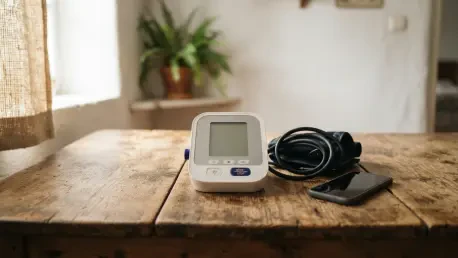
Beyond the basic hardware of blood pressure cuffs and glucometers, the digital ecosystem provided lifestyle guidance in both English and Swahili, catering to the linguistic needs of the local population. This approach ensured that participants were not merely collecting numbers but were also receiving actionable advice on diet and exercise. The use of the M-TIBA platform was particularly significant, as it allowed for subsidized consultations and tracked the utilization of health services, creating a holistic view of the patient’s journey. This setup was crucial for understanding whether digital reminders could function within a broader, existing care framework or if they would operate as an isolated intervention. For many participants, this was their first encounter with integrated digital health, making the initial training sessions essential for establishing a baseline of technical proficiency. The infrastructure essentially acted as a bridge, connecting the patient’s home life with a digital monitoring system that could theoretically provide the same level of oversight as a dedicated healthcare worker.
Intervention Design: Frequency of Messaging Patterns
The core of the trial revolved around the strategic delivery of text messages, which were carefully randomized to determine the optimal frequency for patient engagement. For the hypertension arm of the study, participants were divided into three distinct groups: those receiving daily reminders, those receiving weekly reminders, and a control group receiving no messages at all. In the diabetes arm, the comparison was simplified to weekly reminders versus no reminders. All messages were delivered in Swahili, reinforcing the importance of regular self-checks and encouraging patients to remain proactive in their management routines. This open-label design meant that while the delivery was automated, both the patients and their clinicians were fully aware of the intervention. This transparency reflects the real-world application of digital health tools, where the goal is to foster a sense of partnership between the patient and the technology. The primary objective was to see if these simple digital nudges could translate into measurable clinical improvements, such as lower blood pressure readings or stabilized glucose levels.
The choice of message frequency was a critical variable, as researchers aimed to identify the threshold where a reminder stops being helpful and starts being a nuisance. Digital health experts have long debated the concept of “user friction,” where too much interaction can lead to burnout, while too little can lead to forgetfulness. By testing daily versus weekly cadences, the study sought to find a “sweet spot” for chronic disease management. These prompts were not just random alerts; they were structured to provide a sense of accountability, reminding the patient that their health was being monitored through the AfyaPap system. The researchers maintained a focus on simplicity, ensuring that the intervention remained low-cost and easily replicable across other regions with similar mobile penetration. This design allowed for a direct comparison of how different levels of digital intensity affected long-term adherence to self-monitoring protocols, providing a blueprint for future public health interventions that utilize basic SMS technology rather than complex, high-bandwidth applications.
Clinical Results: Impact on Hypertension Control
The data revealed a striking divergence in outcomes based on how often patients were contacted, with weekly reminders emerging as the most effective strategy for hypertension control. At the conclusion of the twelve-month period, approximately 61% of participants in the weekly reminder group achieved their blood pressure targets, a significant improvement over the 47% recorded in the control group. This 34% increase in the likelihood of achieving clinical control suggests that a well-timed, infrequent nudge is powerful enough to keep patients on track with their medication and monitoring. It appears that the weekly frequency provided just enough of a reminder to prevent the condition from slipping to the back of the patient’s mind without making the management process feel like a constant chore. For many, the weekly text became a ritualized part of their health routine, signaling a specific day and time to check their vitals and adjust their behaviors accordingly.
Conversely, the results for the daily reminder group were unexpectedly poor, highlighting the limitations of high-frequency digital interventions. Only 42% of those receiving daily messages achieved blood pressure control, a rate even lower than that of the control group that received no messages at all. This outcome points toward the phenomenon of “message fatigue,” where the constant barrage of notifications leads patients to ignore the alerts entirely or, in some cases, feel overwhelmed by their diagnosis. When a medical prompt becomes as frequent as a promotional text or a social media alert, it loses its clinical gravity and is often swiped away without action. This finding is a vital lesson for digital health developers; more communication does not always equate to better care. Instead, the quality and timing of the interaction are far more consequential for patient outcomes. The failure of daily reminders suggests that over-monitoring or over-prompting can actually be counterproductive, potentially leading to disengagement from the healthcare process altogether.
Divergent Outcomes: Challenges in Diabetes Management
While the intervention proved successful for blood pressure management, the results for type 2 diabetes were far less encouraging. The group of patients with diabetes receiving weekly reminders showed no statistically significant improvement in their blood glucose levels compared to the control group. In fact, 70% of the weekly reminder group achieved glucose control, while 77% of the control group reached their targets. This disparity suggests that the complexities of diabetes management—which involve intricate dietary choices, physical activity levels, and precise medication timing—cannot be addressed by simple text reminders alone. Monitoring glucose is only the first step; reacting to those numbers requires a high level of health literacy and often a more hands-on approach from clinical professionals. The text messages may have prompted the patients to prick their fingers, but they did not necessarily provide the behavioral change required to lower blood sugar over a sustained period.
The difference in success between the two conditions may also stem from the physiological nature of the diseases themselves. Hypertension is often called a “silent killer” because it has few symptoms, making the reminder to check blood pressure a vital prompt for a condition that is otherwise easy to ignore. Diabetes, however, often involves more tangible daily fluctuations that patients are already acutely aware of, perhaps making a generic text message feel redundant. Furthermore, the adjustments needed to correct high blood sugar are often more difficult to implement than those needed for blood pressure. While taking a pill or reducing salt intake can be straightforward, managing complex carbohydrate intake and insulin sensitivity requires a more comprehensive educational framework. This outcome indicates that for complex metabolic conditions, digital health tools must move beyond simple reminders and incorporate more personalized, data-responsive coaching that addresses the specific lifestyle barriers faced by each individual patient.
Behavioral Shifts: Analyzing Self-Monitoring Data
A primary goal of the study was to see if digital prompts could actually change how often patients used their medical devices, and the data from the AfyaPap system provided a clear answer. Among hypertensive patients, those in the weekly reminder group saw their monitoring frequency jump from an average of four checks per month at the start of the study to ten checks per month by the end. This sustained increase in behavior suggests that the reminders were successful in establishing a new habit of self-monitoring. Because the data was logged digitally, it provided an objective look at patient adherence that was not subject to the biases of self-reporting. This increase in monitoring is a prerequisite for better control, as it provides both the patient and the provider with the necessary data to make informed clinical decisions. When patients are aware of their numbers, they are more likely to stay compliant with their treatment plans.
In the diabetes arm, a similar increase in monitoring frequency was observed, but as previously noted, this did not lead to better clinical outcomes. Patients with diabetes in the weekly reminder group increased their testing from four to eight times per month, yet their blood sugar levels remained largely unchanged relative to the control group. This phenomenon demonstrates a critical “decoupling” of behavior and health outcomes. It highlights that while technology can successfully nudge a patient to perform a specific action, such as using a glucometer, that action is not a cure in itself. If the patient sees a high glucose reading but does not know how to adjust their diet or does not have access to the necessary medication, the act of monitoring becomes a futile exercise. This finding underscores the need for “closed-loop” digital health systems where a high reading triggers an immediate intervention, such as a call from a nurse or an automated adjustment to a personalized nutrition plan.
Participation Hurdles: Retention and Patient Burden
One of the most telling metrics of the study was the variation in patient retention across the different experimental groups. In the hypertension trial, the control group had a remarkably high completion rate of 97%, whereas the daily reminder group saw a significant drop, with only 73% finishing the study. This trend was mirrored in the diabetes trial, where the weekly reminder group had a much lower retention rate than the control. These figures suggest that the very intervention intended to help patients may have inadvertently created a sense of burden or intrusion. For low-income individuals who are already managing the stresses of informal work and financial instability, the added requirement of responding to digital prompts and maintaining a device can become an unwelcome obligation. The higher dropout rates in the intervention groups serve as a cautionary tale for designers of digital health programs, emphasizing that participation must be as frictionless as possible.
The psychosocial impact of constant health monitoring should not be underestimated. For some participants, receiving a daily text message was a constant reminder of their illness, potentially leading to a sense of “diagnosis fatigue.” Instead of feeling empowered by the technology, these patients may have felt tethered to their condition in a way that discouraged them from continuing with the program. The fact that the control groups, who were essentially left to their own devices after the initial training, had the highest retention rates suggests that many patients prefer a more autonomous approach to disease management. Future digital health initiatives will need to find ways to make patients feel supported rather than monitored. This might involve allowing patients to customize the frequency and tone of their messages or providing more tangible rewards for consistent engagement, ensuring that the technology feels like a benefit rather than a chore.
Future Implementation: Scaling Effective Digital Health
The results of this trial provided a clear roadmap for the deployment of mobile health initiatives in resource-constrained environments. It was observed that weekly reminders were significantly more effective than daily ones for managing hypertension, suggesting that public health officials should prioritize less frequent but more impactful communication. The study also highlighted the necessity of integrating digital tools with clinical follow-ups, as self-monitoring alone did not suffice for complex conditions like diabetes. Moving forward, health ministries should consider adopting the weekly SMS model as a standard component of chronic care packages. By utilizing existing mobile infrastructures and digital wallets, governments could scale these interventions to reach millions of patients at a fraction of the cost of traditional clinic-based care. The evidence pointed toward a future where “smart” reminders are triggered by patient behavior rather than a fixed schedule, ensuring that the nudge is delivered only when it is most needed.
Researchers concluded that the next evolution of digital health must focus on personalization and actionability. The trial demonstrated that while technology can bridge the gap in access to monitoring, it cannot replace the need for professional medical intervention when clinical targets are missed. The actionable next step for the industry involves developing systems that not only prompt a check-up but also provide a direct line to clinical support when abnormal readings are detected. Furthermore, the findings suggested that digital literacy training must be a cornerstone of any tech-based health rollout to ensure that patients from all socioeconomic backgrounds can benefit. By refining the frequency of contact and ensuring that data leads to direct clinical action, digital health tools could finally fulfill their potential as a cornerstone of modern chronic disease management. The study successfully proved that even the simplest technology, when applied with an understanding of human behavior, can lead to life-saving improvements in public health.