
The visceral sensation of a steering wheel vibrating under one’s palms is rapidly becoming a relic of a bygone era as Tesla accelerates its transformation into a specialized artificial intelligence powerhouse. Elon Musk is fundamentally redefining what it means to own a vehicle, moving away from the joy of the open road toward the pure utility of a mobile computer. For over a century, the driver has been the central component of the automotive experience, but recent strategic shifts suggest a future where human intervention is considered a legacy feature rather than a necessity.
As the company transitions into a robotics and AI entity, the steering wheel is becoming an optional luxury. This leaves enthusiasts to wonder if the thrill of driving is being relegated to a single, high-performance outlier. The shift marks the end of an era where the connection between man and machine was defined by manual control. Instead, the brand is prioritizing a reality where the vehicle operates as an independent agent, reducing the human occupant to a mere passenger in a silicon-controlled environment.
Why the Shift From Manufacturing to Robotics Matters
The transition represents more than just a change in product design; it is a complete overhaul of the company’s identity. By prioritizing the “Cybercab” and autonomous transport over traditional passenger cars, Tesla is distancing itself from the competitive pressures of the global EV market to compete in the high-stakes world of artificial intelligence. This pivot matters because it sets a new precedent for the industry, signaling that the future of transportation may no longer be about selling hardware to individuals, but about managing autonomous fleets.
This move toward robotics signifies a departure from the traditional automotive business model that relied on volume sales and frequent model refreshes. The focus is now on processing massive amounts of real-time data and refining neural networks that can navigate complex environments without human oversight. By positioning itself as an AI firm, the company seeks to capture the immense value of autonomous miles driven, a market that far exceeds the potential of simple vehicle manufacturing.
Breaking Down the Pivot: Autonomous Ambition and the Roadster Exception
The core of this new vision lies in a stark contrast between daily utility and enthusiast performance. While the upcoming Cybercab is designed for a world without pedals or wheels, the long-delayed Tesla Roadster is being positioned as the final sanctuary for those who still want to drive themselves. This strategy creates a bifurcated lineup where most models serve as AI-driven transit pods, while the Roadster—with its promised SpaceX-inspired tech and sub-two-second acceleration—remains the sole manual relic for those willing to pay a premium.
However, this vision is complicated by the recurring delays of the Roadster, which has faced constant timeline shifts since its initial announcement. This reflects the friction between high-concept marketing and the technical realities of production. While the Roadster is meant to serve as a bridge to the past, the primary engineering resources are clearly flowing toward the autonomous fleet. The car serves as a symbolic gesture to the brand’s heritage, even as the rest of the catalog moves toward a driverless architecture.
The Reality Check: Hardware Constraints and Technical Hurdles
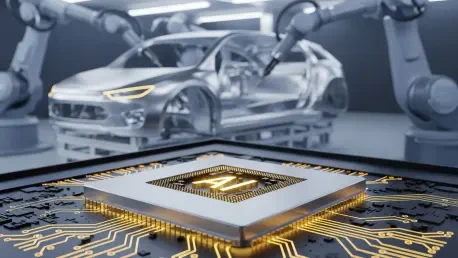
The path to total autonomy is currently hitting a significant bottleneck in the form of processing power and hardware limitations. Musk recently acknowledged that the existing “Hardware 3” suite may not possess the necessary compute to handle truly unsupervised Full Self-Driving, a major admission that contradicts years of promises to current owners. This realization has sparked a push for more advanced silicon that can handle the massive neural loads required for safe navigation in unpredictable urban settings.
To bridge this gap, the development of the “AI4 Plus” chip and specialized micro-factories aims to provide a path for upgrading older vehicles. These technical challenges, combined with mounting legal scrutiny and the discrepancy between supervised and unsupervised autonomy, suggest that the transition is as much a hardware problem as it is a software achievement. The complexity of replacing human intuition with machine learning remains the most significant barrier to the widespread adoption of a steering-wheel-free world.
Navigating the Transition to an AI-Centric Tesla
To understand the implications of this shift, observers and owners looked beyond vehicle aesthetics to focus on the underlying infrastructure. A framework for evaluating progress involved monitoring the rollout of more powerful hardware and the performance of FSD in complex urban environments rather than just highway settings. Consumers prioritized staying informed on the distinction between supervised and unsupervised capabilities, as the legal and insurance landscapes shifted dramatically when responsibility moved from the driver to the AI software.
Tracking the development of the micro-factory upgrade path was essential for existing owners to determine if their hardware could survive the pivot to a fully autonomous future. The strategy ultimately emphasized that the transition to a driverless society required a systemic change in how society perceives mobility and liability. By focusing on fleet efficiency and data processing, the company successfully repositioned the car as a service-oriented robot, ensuring that the manual driving experience became a specialized luxury reserved for the high-end Roadster.