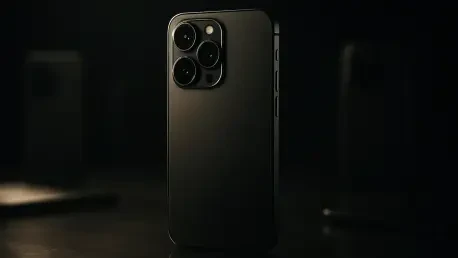

The Google Pixel 10 Pro features a professional-grade camera array with 48 MP ultra-wide and telephoto lenses that significantly outperform the sensors on the S26 FE. This stark reality underscores a broader trend in the late 2026 mobile landscape where “Fan Edition” models no longer dictate the terms of value. Samsung introduced the S26 FE to bridge the gap between mid-range affordability and flagship luxury, but the hardware choices made for this iteration have sparked intense debate among tech enthusiasts. While the device maintains the signature Samsung aesthetic and integrates smoothly into the company’s sprawling ecosystem, its reliance on cost-saving internal components has left it vulnerable to a surge of highly competitive alternatives. Consumers are increasingly noticing that the brand premium associated with Samsung may not be enough to overlook the raw technical advantages offered by rival manufacturers who are pushing the boundaries of what a sub-seven-hundred-dollar smartphone can achieve in the current market environment. This shifting dynamic has forced a reevaluation of what constitutes a “flagship killer” in an era where specifications are advancing faster than ever before.
The Performance Gap: Analyzing the Exynos and Snapdragon Divide
The central criticism leveled against the Samsung Galaxy S26 FE involves the widening performance delta between its regional chipsets and the global industry standard. While the primary S26 flagship series utilizes the Snapdragon 8 Elite Gen 5 to provide blistering speeds and advanced neural processing, the FE variant relies on the in-house Exynos 2500. This choice results in measurable differences during intensive tasks such as high-frame-rate gaming or real-time video rendering. Benchmarking data shows the Exynos 2500 trailing the Snapdragon alternative by a significant margin in multi-core efficiency, leading to potential thermal throttling during extended use. This hardware discrepancy is not just a matter of numbers on a screen; it affects the daily user experience by influencing how quickly apps launch and how efficiently the device manages background processes. In an era where mobile productivity is paramount, the S26 FE appears to be holding onto a high-end mid-range identity rather than embracing true flagship power.
Looking beyond the internal Samsung hierarchy, the Motorola Signature has emerged as a particularly aggressive challenger that exploits this very performance gap. By incorporating the Snapdragon 8 Gen 5 at a price point of approximately $660, Motorola has effectively neutralized the “affordable flagship” argument that Samsung has relied on for years. The Signature model provides 12 GB of RAM and 256 GB of storage, which is double the base capacity of the S26 FE, ensuring that users have ample space and memory for increasingly heavy AI-driven applications. Furthermore, the inclusion of a 165 Hz LTPO display capable of reaching a massive 6,200 nits of peak brightness makes the Samsung offering look dated by comparison. This shift demonstrates that the competitive landscape has moved toward providing “pro” level specifications at “fan” level prices, leaving the S26 FE struggling to justify its position when more powerful and efficient alternatives are readily available for a lower investment.
High-Performance Alternatives: Specialization in the Global Market
The OnePlus 15R has become a focal point for international users who prioritize battery longevity and environmental resilience over brand loyalty. Matching the S26 FE’s $700 price point, the 15R distinguishes itself with a massive 7,400 mAh battery, a specification that almost doubles the capacity of typical premium handsets in late 2026. This battery size, coupled with the efficiency of the Snapdragon 8 Gen 5, allows for multi-day usage without the constant anxiety of finding a charger. Moreover, OnePlus has invested heavily in durability, achieving certifications such as IP69K that provide a level of water and dust resistance far exceeding the standard IP68 rating found on the S26 FE. While the device omits a dedicated telephoto lens to accommodate its massive power cell, the trade-off is one that many heavy users find acceptable, especially when considering the superior thermal management and sustained performance provided by the Qualcomm architecture during long gaming sessions or outdoor navigation in harsh conditions.
Simultaneously, the Xiaomi 17 represents the pinnacle of hardware density for those willing to push their budget slightly further to approximately $920. While it sits at a higher price tier, it serves as a cautionary tale for the S26 FE by highlighting exactly what the “Fan Edition” is missing in terms of sheer engineering prowess. The Xiaomi 17 packs a 6,330 mAh battery into a compact frame that feels significantly more premium than the slightly bulkier S26 FE. Its camera system is a uniform triple 50 MP array, ensuring that there is no loss in quality when switching between wide, ultra-wide, and telephoto perspectives. By offering a peak brightness of 3,500 nits and ultra-fast charging capabilities that dwarf Samsung’s conservative 45W standard, Xiaomi has created a device that rivals even the standard S26 models. This level of technical sophistication suggests that the market for high-performance Android devices is bifurcating into specialized categories where “good enough” is no longer the standard for success.
The Paradox of Choice: Internal Rivals and Software Leaders
Internal competition has also created a unique challenge for the S26 FE, as the slightly older Galaxy S25 continues to be a more attractive option for many savvy buyers. Because the S25 features the Snapdragon 8 Elite “for Galaxy” chipset, it remains a more capable performer in almost every measurable metric compared to the Exynos-powered FE. The older flagship offers a more refined, ergonomic design with significantly slimmer bezels and a display that reaches 2,600 nits, which is a noticeable upgrade over the 1,900 nits found on the newer FE model. For users who prioritize a compact form factor without sacrificing processing speed, the S25 presents a compelling case for choosing “last year’s best” over “this year’s mid-tier.” This internal cannibalization suggests that Samsung’s product tiers are overlapping in ways that may confuse consumers who expect a newer release to automatically equate to superior technology across the board.
Furthermore, the Google Pixel 10 Pro has established itself as the premier choice for users who value software intelligence and a fluid user interface over raw silicon benchmarks. Although its Tensor G5 chip may not lead in traditional speed tests, the optimization between Google’s hardware and the Android 17 operating system provides a “snappiness” that the S26 FE often lacks. With 16 GB of RAM, the Pixel 10 Pro is uniquely equipped to handle complex on-device AI tasks like real-time video editing and advanced predictive text features that are becoming standard in 2026. Its professional-grade camera array is complemented by software features like Magic Cue and Camera Coach, which leverage machine learning to deliver results that often surpass the more hardware-focused approach of the Samsung FE series. For enthusiasts who view their smartphone as a specialized tool for creativity and productivity, the Pixel 10 Pro offers a cohesive vision of the future of mobile computing that goes beyond basic hardware specifications.
Shifting Industry Standards: Beyond Basic Specifications
The struggles of the S26 FE serve as a barometer for shifting expectations in the mobile industry, where features once considered “premium” are now the baseline for any device over six hundred dollars. One of the most significant shifts involves the “RAM floor,” which has moved from 8 GB to a minimum of 12 GB or 16 GB to accommodate the heavy memory demands of modern generative AI models. By sticking with 8 GB for the base FE model, Samsung has inadvertently created a bottleneck for future software updates that will likely rely even more heavily on on-device processing. Additionally, display technology has evolved to include LTPO panels as a standard feature, allowing refresh rates to drop as low as 1 Hz to preserve battery life. The S26 FE’s inability to match these variable refresh rates and extreme brightness levels seen in competitors like the Motorola Signature makes it feel less prepared for the visual demands of high-dynamic-range content and outdoor visibility requirements.
Charging speed has also become a major point of contention in 2026, as Samsung’s 45W limit feels increasingly restrictive compared to the 90W and 120W standards adopted by rivals. While Samsung emphasizes battery longevity and safety, the reality for the modern user is that being tethered to a wall for an hour is no longer acceptable when competitors can provide a full charge in less than twenty minutes. This divergence in philosophy affects the overall utility of the device, particularly for power users who rely on quick top-offs between meetings or travel connections. Moreover, the chipset hierarchy has become more transparent to the average consumer, who now understands that the “Elite” or “Tensor” branding signifies a level of specialized optimization for gaming or AI that a standard Exynos chip struggles to replicate. As these technical nuances become common knowledge, the S26 FE must contend with a more informed public that prioritizes efficient, fast-charging hardware over brand familiarity and marketing legacy.
Strategic Next Steps: Moving Beyond the Fan Edition
Consumers seeking the best return on their investment should have evaluated their specific needs before committing to the Samsung ecosystem in late 2026. For those who required peak processing power for gaming or professional video editing, the transition toward devices equipped with the Snapdragon 8 Gen 5, such as the Motorola Signature or the Xiaomi 17, was the most logical progression. These smartphones offered the necessary thermal efficiency and raw speed that the S26 FE sacrificed in its pursuit of a lower price point. Meanwhile, users who valued a seamless, AI-integrated experience found that the Google Pixel 10 Pro provided a more modern and capable software environment. The lesson learned from this product cycle was that brand loyalty should not have superseded a critical analysis of hardware specifications, especially when the performance gap between “lite” flagships and their true flagship counterparts became so pronounced in a competitive market.
In hindsight, the decision to prioritize the Galaxy S25 or even move toward the standard S26 proved to be the more sustainable choice for long-term satisfaction. While the S26 FE offered a reliable baseline and the comfort of seven years of software support, the immediate hardware limitations in RAM and display technology suggested a shorter functional lifespan for power users. Prospective buyers were encouraged to look at the total cost of ownership, considering that a slightly more expensive device with 16 GB of RAM and faster charging would likely remain relevant and efficient for a longer period through 2028 and beyond. As the industry continued to move toward more specialized and power-hungry applications, the move away from compromise-heavy mid-range devices became a standard recommendation among experts. The 2026 mobile market ultimately rewarded those who prioritized cutting-edge efficiency and specialized hardware over the traditional tiered release schedule of established global technology giants.