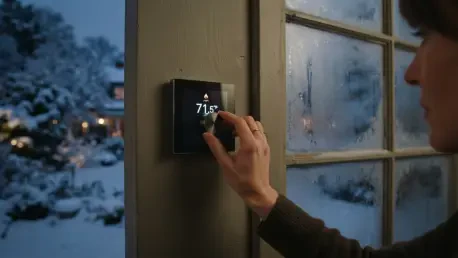

Professional installation of smart home hardware ensures that complex wiring is correctly optimized for long-term energy efficiency and system compatibility. As winter temperatures begin their inevitable descent, the modern household faces a recurring dilemmthe struggle to maintain a comfortable living environment without incurring astronomical utility costs. While the market for smart home technology has expanded rapidly, a rare consensus has emerged among HVAC technicians, environmental scientists, and automation experts regarding the most effective tool for seasonal preparation. The smart thermostat stands alone as the primary investment for winterization, specifically because it addresses the inherent inefficiency of traditional heating systems. Manual thermostats often maintain a consistent temperature regardless of whether anyone is actually present in the home, leading to significant energy waste. By utilizing machine learning algorithms and real-time data, these smart devices ensure that furnaces and heat pumps operate only when necessary, effectively bridging the gap between high-level comfort and fiscal responsibility during the harshest months of the year.
Advanced Control Mechanisms and Installation Options
The technical architecture of a modern smart thermostat relies heavily on its ability to integrate with high-speed Wi-Fi networks and broader smart home ecosystems such as Matter, Amazon Alexa, or Apple HomeKit. This connectivity enables one of the most sophisticated features currently available to homeowners: geo-fencing. By utilizing the GPS coordinates of a resident’s smartphone, the system can dynamically adjust the home’s climate based on proximity. When the last resident leaves a predefined radius, the thermostat automatically triggers an energy-saving “away” mode, lowering the target temperature to prevent the heating of an empty structure. Conversely, as a resident approaches the home after work, the system initiates a reheating cycle, ensuring that the living space reaches the desired temperature exactly as the door is unlocked. This level of automation removes the human error associated with manual adjustments and provides a seamless transition between energy conservation and personal comfort that was previously impossible with older hardware.
While many manufacturers market these devices as simple DIY projects, the reality of household wiring often complicates the setup process, leading many to seek expert assistance. Older homes frequently lack a “C-wire” or common wire, which provides a continuous flow of power to the thermostat’s digital display and Wi-Fi radio. Professional installers can navigate these power management challenges, ensuring that the device does not cause unintended strain on the HVAC control board or lead to short-cycling of the furnace. Beyond the physical installation, the software configuration allows for the establishment of complex schedules that align with the specific metabolic needs of the residents. For instance, the system can be programmed to lower the temperature slightly during sleeping hours and gradually increase it thirty minutes before the morning alarm sounds. This precision not only enhances the quality of sleep by maintaining a cooler environment but also reduces the overall workload on the heating system, extending the operational lifespan of expensive mechanical components.
Expanding the Network with Specialized Sensors
The central thermostat is frequently limited by its physical location, which is usually a single hallway or living area that may not accurately represent the temperature of the entire house. To combat this limitation, specialized remote temperature sensors act as a distributed nervous system for the home, providing granular data from individual bedrooms, offices, or basements. These sensors identify cold spots caused by poor insulation or uneven airflow, allowing the thermostat to make informed decisions about how long to run the blower fan. If a nursery or a home office falls below a specific threshold, the smart system can prioritize reaching the target temperature in those specific zones rather than over-heating the hallway where the main unit resides. This approach ensures a consistent thermal profile across multi-story residences, preventing the common winter frustration of having a sweltering second floor while the ground level remains uncomfortably chilly.
Beyond simple temperature regulation, a comprehensive sensor network addresses safety and resource management issues that peak during the winter season. Occupancy sensors can be integrated with smart outlets to mitigate “vampire energy loss” by automatically deactivating peripheral electronics and lighting in unoccupied rooms. More critically, water leak sensors placed near washing machines, water heaters, and exposed pipes offer a vital defense against the catastrophic damage caused by frozen pipes. These devices provide instantaneous alerts to a user’s smartphone the moment moisture is detected, allowing for immediate intervention before a small leak turns into a major flood. Additionally, smart smoke and carbon monoxide detectors become indispensable as the use of fireplaces and space heaters increases. These safety devices provide a layer of protection that traditional alarms cannot match, as they can alert residents of a hazard even when they are away from the property, ensuring that emergency services can be contacted before a fire or gas buildup escalates.
Combating Winter Blues with Smart Lighting and Humidity
The physiological impact of shorter winter days often manifests as seasonal affective changes or a general sense of lethargy due to the lack of natural sunlight. Smart lighting systems offer a sophisticated solution to this environmental challenge by utilizing circadian rhythm programming. These systems are designed to mimic the natural progression of the sun, emitting bright, cool-toned blue light during the morning and afternoon to boost alertness and suppress melatonin production. As evening approaches, the bulbs transition to warmer, amber tones that signal the body to begin its natural wind-down process. This artificial synchronization helps maintain a healthy internal clock despite the early onset of darkness outside. Furthermore, automated lighting schedules improve home safety by ensuring that entryways and hallways are illuminated before residents arrive home, reducing the risk of trips or falls on icy steps or in darkened foyers during the long winter nights.
Atmospheric comfort in a winter home is also a matter of thermodynamics and humidity control rather than just raw heat. Dry winter air accelerates the evaporation of moisture from the skin, which creates a “chilled” sensation even when the room temperature is technically adequate. This phenomenon often leads homeowners to crank up the thermostat to compensate, which further dries out the air and increases energy consumption. By integrating a smart humidifier into the home’s climate strategy, residents can maintain a relative humidity level between 30 and 50 percent. At this level, the air feels naturally warmer, allowing the thermostat to be set a few degrees lower without any loss of comfort. This balance is not only beneficial for human health, reducing issues like dry skin and respiratory irritation, but it also protects the home’s structural integrity. Maintaining proper humidity prevents the wood in floors and furniture from cracking and discourages the formation of condensation on windows that can lead to mold growth in hidden wall cavities.
Strengthening the Home Envelope Against Heat Loss
No amount of advanced technology can fully compensate for a home that suffers from a compromised physical envelope where heat is allowed to escape freely into the environment. The fundamental principle of thermodynamics states that heat will always migrate toward colder areas, meaning that every gap around a window frame or door sill serves as an exit point for expensive, conditioned air. Before deploying smart sensors, it is essential to verify that the home is not “leaking” its thermal energy. Identifying these vulnerabilities requires a combination of high-tech visualization and low-tech investigative methods. By ensuring that the physical structure is sealed, the smart thermostat can operate with maximum efficiency, as it will not be forced to run continuously to replace the heat that is being lost to the outdoors. This foundational work transforms the smart home from a reactive environment into a proactive, resilient sanctuary that preserves energy.
Homeowners can utilize thermal imaging cameras to gain a “predator-style” view of their property, which clearly highlights the thermal bridges where insulation is failing. These cameras reveal bright spots on the exterior of the house where heat is bleeding through the walls or dark spots on the interior where cold air is infiltrating. For those seeking a more accessible diagnostic, the “incense test” remains a highly effective method for locating subtle drafts. By moving a lit stick of incense near window casings, electrical outlets, and baseboards, residents can observe the behavior of the smoke; a sudden plume or erratic movement indicates an air current that requires sealing with caulk or weather stripping. Once these gaps are closed, the smart home system can maintain a stable temperature with significantly less effort. This synergy between physical maintenance and digital oversight ensures that the investment in smart hardware yields the highest possible return in both comfort and cost savings throughout the season.
Strategic Implementation for a Resilient Winter
The integration of smart thermostats and comprehensive sensor networks provided a definitive solution for those seeking to stabilize their living environments during the winter of 2026. Experts demonstrated that the most successful transitions occurred when technology was used to solve specific structural problems rather than simply adding a layer of novelty to the home. By prioritizing the thermostat as the central command unit, homeowners established a baseline for energy efficiency that paid for itself through reduced monthly expenses. The subsequent addition of leak sensors and occupancy detectors moved the home toward a state of total awareness, where potential disasters were mitigated before they could occur. This shift in home management moved away from manual, reactive adjustments and toward an automated, data-driven approach that respected both the resident’s budget and their need for a warm, safe retreat from the elements.
Ultimately, the best course of action involved a holistic review of the home’s performance, starting with the sealing of the physical envelope and culminating in the fine-tuning of smart schedules. Homeowners who invested in professional installation found that their systems remained more stable and were better able to handle the high-demand periods of extreme cold. The use of circadian lighting and humidity control further proved that winter comfort was as much about biology and physics as it was about the temperature on the wall. Moving forward, the lesson remained clear: technology serves the occupant best when it is integrated thoughtfully into the daily routine. By applying these strategic upgrades, the modern household was able to withstand the seasonal shift with greater resilience, ensuring that the home remained a cost-effective and comfortable sanctuary regardless of the conditions outside. Those who followed this structured path found themselves better prepared for the future of home management.