
The upcoming Worldwide Developers Conference represents a pivotal moment for Apple as the company prepares to transition its entire software philosophy toward a more intelligent, context-aware ecosystem that prioritizes user experience above all else. For over a decade, the narrative surrounding the iPhone has focused primarily on incremental hardware improvements, yet the discourse has now shifted toward the sophisticated integration of machine learning at the core of the user experience. As rumors circulate that Tim Cook may be preparing for his final keynote address, the stakes for the “27” series of operating systems have never been higher. This release is widely expected to bridge the gap between traditional software design and a bold future where silicon and intelligence are inseparable. By prioritizing a stable foundation alongside aggressive AI deployment, the tech giant aims to redefine what a smartphone can achieve in a world increasingly dominated by generative technologies. This transition marks the end of the experimental phase of mobile AI and the beginning of its total operational integration across every device.
Visual Evolution and Aesthetic Clarity
Interface design in the latest operating system marks a strategic return to functional clarity through the deliberate refinement of the aesthetic known as Liquid Glass. Rather than pursuing radical departures that often confuse long-time users, the new design philosophy seeks to rectify readability issues and navigation hurdles that surfaced in previous iterations. For example, the interface is reverting to more intuitive layouts, such as the classic application bottom bar and streamlined tab systems that have recently proven successful in individual app updates. These adjustments reflect a broader design ethos that prioritizes aesthetic beauty without compromising the transparency or ease of use required for a professional-grade device. By focusing on high-contrast elements and consistent spacing, the system ensures that every interaction feels intentional and fluid. This visual maturity is a direct response to user feedback requesting a less cluttered and more predictable environment for daily digital tasks, ensuring that the technology serves the user rather than distracting them.
Architectural Overhaul and Device Support
The underlying architecture of the system is undergoing a massive overhaul of its core code to maximize energy efficiency and operational smoothness across the board. This ground-up cleanup is specifically designed to eliminate the micro-stuttering and lag that can accumulate over years of iterative software updates, ultimately extending battery life for all compatible devices. However, this focus on peak performance necessitates a significant shift in hardware requirements, as the system will now require an iPhone 12 or newer to function properly. By effectively ending support for the iPhone 11 and earlier models, the development team can focus entirely on the 5G-enabled ecosystem and the advanced neural engines found in modern silicon. This decision ensures that the heavy computational demands of on-device intelligence do not degrade the user experience on older hardware. It represents a pragmatic trade-off that favors long-term stability and technological progression over broader backward compatibility, setting a new standard for the next generation of mobile software performance.
Reimagining Utility in Core Applications
The transformation of core applications like Camera and Wallet demonstrates a commitment to catering to both professional power users and the general consumer base. The Camera app is slated to introduce an Advanced tab that offers granular control over technical settings such as exposure, white balance, and depth of field, which were previously buried in complex menus. This customizable interface allows users to hide or prioritize specific icons, ensuring that the most relevant tools are always within reach during critical moments of photography. Meanwhile, the Wallet app is expanding its utility by allowing for a more comprehensive digital life through the support of custom cards based on QR code imports. This feature enables users to digitize loyalty programs, local memberships, and even temporary passes that were formerly restricted to physical formats. Together, these updates signify a shift toward a more modular and personalized application experience that adapts to the specific needs and preferences of the individual user.
Generative Intelligence in Visual Media
Photos is positioned to become a flagship showcase for generative intelligence, introducing sophisticated tools that turn the standard gallery into a powerful creative studio. New features like Reconstruct and Expand allow users to modify photo perspectives or generate realistic backgrounds where original data might be missing or poorly framed. Furthermore, the integration of natural-language editing capabilities allows for complex tasks, such as color grading or intricate cropping, to be performed through simple voice or text commands rather than manual adjustments. This leap forward in machine learning ensures that high-quality image manipulation is accessible to everyone, regardless of their technical expertise in photography. By automating the more tedious aspects of photo management and editing, the system allows users to focus on the creative narrative of their visual memories. This evolution reflects a broader trend where mobile software does not just store information but actively assists in its enhancement and creative reinterpretation.
The Evolution of Siri into SiriBot
The most anticipated development in the upcoming software cycle is the complete transformation of the virtual assistant into a conversational partner known as SiriBot. Unlike its predecessors, which often struggled with multi-step requests, this new iteration possesses the authority to synthesize information directly from a user’s local data across various native applications. By accessing emails, calendar events, and notes in a secure and private manner, the assistant can maintain a deep contextual awareness that enables it to handle complex administrative tasks. For instance, a user could ask the assistant to find a gap in a busy week for a meeting and draft a corresponding memo based on previous correspondence. This level of proactive assistance marks a shift from reactive command-following to a more anticipatory form of digital management. The integration ensures that the assistant is no longer just a peripheral feature but a central pillar of the operating system’s overall functionality, providing a more cohesive experience.
Multimodal Interaction and Accessible Intelligence
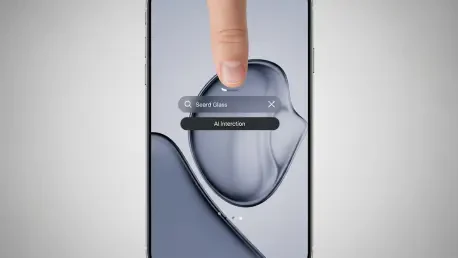
Interacting with this new intelligence is being redesigned to be significantly more accessible while remaining far less intrusive than earlier full-screen implementations. While traditional voice triggers remain available, a new swipe-down gesture from the top-center of the screen reveals a dedicated interface that merges Spotlight search with text-based AI interaction. This system-wide integration extends to the Dynamic Island, which now possesses the capability to expand into a full text-input box for silent queries when voice interaction is not appropriate or possible. By normalizing text-based conversations with the system, the technology becomes more useful in public spaces or quiet environments where voice commands would be disruptive. This design choice highlights a shift toward multimodal interaction, where the user can choose the most convenient method of engagement at any given moment. The goal is to make the intelligence feel like a seamless extension of the hardware rather than an added layer of software that requires extra effort to access.
Embracing Open Intelligence Frameworks
In a surprising departure from the traditional closed-ecosystem strategy, there are strong indications that the framework will soon support the integration of third-party AI models. This change would allow users to toggle between proprietary intelligence and popular external services such as ChatGPT, Gemini, or Claude directly within the native interface. Such a move suggests a pragmatic realization that specialized external tools can complement the native experience by providing diverse problem-solving capabilities that a single model might lack. By opening the assistant framework to these partners, the system becomes a versatile hub for various types of generative tasks, ranging from creative writing to complex coding assistance. This strategy not only enhances the utility of the device but also positions the brand as a neutral platform that prioritizes user choice over strict technological isolation. It acknowledges the rapid pace of global AI development and ensures that the device remains at the forefront of the industry’s most advanced innovations.
Productivity Gains in the Generative Era
Productivity within the generative era is further enhanced by tools designed to permeate every corner of the operating system, making advanced automation accessible to everyone. The Shortcuts app is expected to debut a concept known as vibe coding, which enables users to build intricate automated workflows using nothing but natural language descriptions. Furthermore, applications like Mail and Messages are gaining advanced semantic search capabilities, allowing users to locate specific details buried deep within years of digital history using conceptual queries. Beyond text-based tasks, the system is introducing real-time visual translation within the Camera and AI-generated wallpapers that adapt to the user’s current mood or environment. These features aim to make generative technology a standard, background element of the mobile experience rather than a novelty. By reducing the friction between a user’s intent and the device’s execution, the software creates a more efficient environment for both professional work and personal creativity.
Strategic Considerations: Moving Toward a Proactive Future
The evolution of the operating system demonstrated that the transition toward a more intelligent ecosystem was both necessary and inevitable for maintaining a competitive edge. It was clear throughout the development cycle that the focus had moved beyond simple hardware specifications and into the realm of deeply integrated, context-aware software solutions. This period marked the definitive end of the smartphone as a passive tool and its rebirth as a proactive digital companion that understood the nuances of personal data. To prepare for this ongoing shift, users found that auditing their local data across native apps to ensure accuracy was the most effective solution for optimal synthesis. Additionally, early adopters who prioritized learning natural language automation gained a significant advantage in managing complex daily tasks with minimal manual effort. The transition from manual interaction to proactive assistance was recognized as a paradigm shift that required a more deliberate approach to digital hygiene and information management.
Future Outlook for Proactive Computing
Looking back at the implementation of these technologies, the success of this intelligence-first era depended on how effectively tools anticipated needs without compromising security or agency. It was observed that users who embraced the integration of third-party models benefited from a more diverse range of problem-solving techniques, proving that flexibility was key to productivity. The shift in system requirements also taught a valuable lesson regarding the importance of matching software ambition with hardware capability. Developers discovered that by narrowing the focus to newer chips, they were able to deliver a level of reliability that was previously unattainable. For those moving forward in this landscape, the recommendation remained clear: success required a willingness to treat the operating system as a collaborative partner rather than just a platform for apps. This historical pivot eventually established a new baseline for what consumers expected from their mobile devices, ensuring that intelligence became the primary metric of value for the modern era of computing.