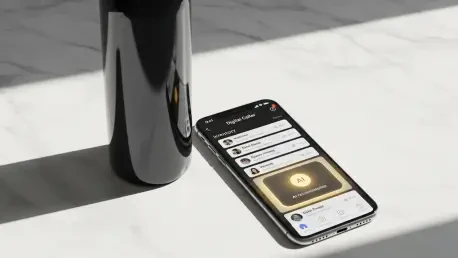

Virgin Wines has fundamentally altered its business trajectory by pivoting from a standard e-commerce model toward a sophisticated, mobile-first retail environment. This strategic evolution is underpinned by a substantial £700,000 investment and nearly a year of rigorous development, resulting in a bespoke application for both iOS and Android platforms. Under the leadership of CEO Jay Wright, the company is moving beyond simple mobile optimization to create a digital hub that demystifies the often-intimidating world of wine selection. By prioritizing native mobile functionality, the brand is successfully targeting a younger demographic that views the smartphone as the primary interface for all commerce. This shift represents a broader industry trend where convenience and expert-led guidance are no longer optional but are central to maintaining market relevance. The new platform serves as a high-tech sommelier, bridging the gap between vast inventories and the specific, nuanced preferences of the modern individual consumer.
Harnessing Artificial Intelligence for Palate Precision
The technological core of this transformation is “Preferabli,” a high-level artificial intelligence engine designed to move past the limitations of traditional recommendation algorithms. Standard retail systems often rely on simplistic categorical matching, suggesting a Merlot simply because a customer previously purchased one, but this AI utilizes a multi-dimensional approach to understand stylistic nuances. By analyzing the underlying chemical and sensory profiles of each bottle, the system can identify “flavor twins” that transcend geographical borders or grape varieties. This means the application can recognize when a user is drawn to a specific level of acidity or a particular tannin structure, allowing it to recommend alternatives that the customer might never have considered on their own. This data-driven methodology effectively removes the guesswork from the purchasing process, providing a level of accuracy in personalization that fosters deep trust between the consumer and the digital platform.
To achieve this level of precision, Virgin Wines integrated the refined palates of three Masters of Wine into the digital development process. These experts were tasked with a monumental undertaking: meticulously evaluating every single bottle in the company’s extensive inventory against up to 300 distinct stylistic markers. These attributes range from residual sugar levels and acidity to body, aroma, and regional characteristics, creating a high-resolution data set for the AI to navigate. This hybrid model, which combines centuries of human expertise with the processing power of modern machine learning, ensures that the recommendations are grounded in authentic viticultural knowledge. By mapping the entire portfolio in such granular detail, the retailer has created a proprietary database that is nearly impossible for traditional supermarkets or general e-commerce giants to replicate. This marriage of human intelligence and advanced software allows the brand to offer a curated experience that feels artisanal.
This sophisticated infrastructure is specifically designed to encourage exploration among casual drinkers who might otherwise stick to familiar labels out of a fear of disappointment. For instance, if the AI determines that a user consistently enjoys a crisp Sauvignon Blanc from a specific region, it might suggest a Portuguese Albariño that shares those exact structural cues. This level of guided discovery transforms the retail experience from a simple transaction into a journey of education and sensory expansion. By providing customers with the confidence to branch out into new varietals, the application effectively increases the lifetime value of each user as they develop a broader and more diverse palate. The goal is to eliminate the “confusion factor” often associated with high-end wine, making the entire category more accessible to a global audience. This approach not only drives immediate sales but also positions the retailer as an essential partner in the consumer’s journey.
Building Loyalty Through Digital Cellar Management
Beyond its capabilities as a sales engine, the platform functions as a comprehensive management tool through its innovative “Digital Wine Cellar” feature. This digital hub allows users to maintain a chronological record of every purchase, effectively creating a living history of their relationship with the brand. Customers are encouraged to record their own tasting notes and provide detailed ratings for each bottle, which serves a dual purpose: it helps the user remember what they enjoyed and provides critical feedback for the AI engine. As the user interacts with this feature, the recommendations become increasingly refined, creating a feedback loop that rewards continued engagement. This turns the act of buying wine into a personalized hobby, where the data provided by the user directly enhances the quality of the service they receive. This shift from a transactional relationship to an interactive one is a hallmark of the new retail landscape, where value is added through utility and long-term data curation.
The strategic importance of the Digital Wine Cellar lies in its ability to create a “sticky” ecosystem that significantly boosts customer retention and lifetime loyalty. When a consumer invests time and effort into building a personal wine library and recording their unique preferences within the app, they develop a sense of ownership over their digital profile. Switching to a competitor would mean losing years of accumulated data, tasting history, and the highly tuned recommendation engine that has learned their specific tastes. This creates a powerful barrier to exit, as the platform becomes an indispensable repository of the customer’s wine-related memories and expertise. By offering a service that extends far beyond the point of sale, the company ensures that it remains the first point of contact whenever the customer thinks about wine. This focus on long-term engagement reflects a deep understanding that in a crowded market, the most valuable asset a company can possess is a data-driven connection with its core audience.
Securing a Competitive Edge in the Modern Market
The move to a mobile-native platform also provides a suite of logistical and marketing advantages that are difficult to achieve through traditional web-based e-commerce. By integrating the application with the Virgin Points reward system, the company has created a seamless incentive structure that encourages frequent, small-scale interactions. Push notifications allow the brand to deliver highly targeted offers and limited-time promotions directly to the user’s home screen, bypassing the cluttered environment of an email inbox. This direct line of communication enables a more agile and responsive marketing strategy, where the company can react to inventory shifts or consumer trends in real time. Furthermore, the streamlined checkout process within the app reduces friction, making it easier for customers to make impulse purchases or restock their favorites with a few taps. This operational efficiency, combined with the power of the AI engine, provides a superior user experience.
Looking toward the near future, the current application serves as a foundation for even more interactive and community-oriented features. Plans are already in motion to introduce social tools that allow users to interact with fellow enthusiasts, share highlights from their digital cellars, and discuss specific vintages within a trusted network. This recognizes the inherently social nature of wine consumption and seeks to replicate the community aspect of a physical tasting room within a digital space. Additionally, the company is exploring the implementation of advanced “label scanning” technology, which would allow a user to photograph a bottle at a party or restaurant and immediately find a stylistic equivalent within the store. These planned upgrades demonstrate a commitment to continuous innovation, ensuring that the platform remains at the forefront of retail technology. By staying ahead of emerging consumer trends and integrating them into a cohesive digital experience, the retailer is well-positioned.
The successful rollout of this digital infrastructure demonstrated that the future of specialty retail depended on the seamless integration of human expertise and advanced machine learning. By investing heavily in a proprietary mobile environment, the company shifted its focus from simple volume-based sales to high-value, data-driven customer relationships. The move proved that modern consumers were willing to engage deeply with brands that provided genuine utility, such as personalized discovery and comprehensive collection management. Retailers who wish to follow this path should prioritize the creation of a “data moat” by encouraging users to record their own preferences and history. Moving forward, the industry must recognize that the most successful platforms will be those that act as both a marketplace and a mentor. By turning a complex product category into an accessible and rewarding digital hobby, the brand established a new standard for how technology can enhance the artisanal experience of wine.