
In an age where ingredient labels often read more like chemistry textbooks than food descriptions, a significant portion of American consumers have turned to technology for clarity, sparking a powerful movement toward product transparency. The simple act of scanning a barcode to instantly reveal a product’s contents—from hidden sugars to questionable additives—has transformed the shopping experience for millions. This shift is not a passing trend; recent reports show that nearly one-third of all new food products now feature “clean label” claims, underscoring a deep-seated consumer demand for honesty and simplicity. This environment has created a fertile ground for applications that demystify product ingredients, making the concept of building a product scanner app seem incredibly appealing. However, behind the seamless user experience of scanning a product and receiving a straightforward score lies a complex ecosystem of data management, regulatory compliance, and sophisticated software engineering. The journey from a promising idea to a trusted digital shelf companion involves much more than just a barcode reader; it requires a robust database, precise classification logic, and an unwavering commitment to accuracy that can earn and maintain user trust in a competitive market.
1. Understanding the Core of Product Scanner Apps
A product scanner application serves as a digital interpreter for the modern consumer, translating complex ingredient lists and nutritional information into simple, actionable insights. At its heart, the app leverages a smartphone’s camera to read a product’s barcode, instantly cross-referencing it with a vast database to pull up relevant details. This core functionality is what powers well-known applications like Fooducate and Think Dirty, each providing users with a quick verdict on whether a food item or cosmetic product aligns with their health and wellness goals. The primary value proposition is convenience and clarity in the aisle, a space where time is limited and decisions are often made quickly. The user experience is intentionally designed to be swift and intuitive. Upon scanning, the app typically presents a simplified score, highlights potential allergens or controversial ingredients, and offers brief, easy-to-understand explanations for chemical compounds or additives that might otherwise be unfamiliar. The goal is not to provide an exhaustive scientific analysis but to empower the user with just enough information to make a confident purchasing decision on the spot, turning their smartphone into a trusted shopping advisor.
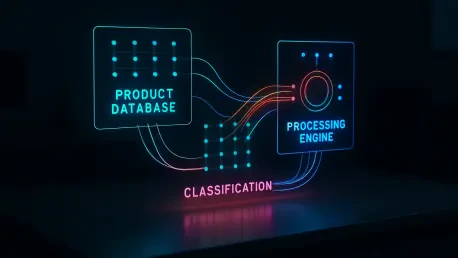
The architecture of these applications, while appearing simple on the surface, is built upon several critical components working in unison. The first is a high-performance, camera-based scanner optimized to read barcodes quickly and accurately, even in suboptimal lighting conditions or on curved surfaces. This scanner is the gateway to the app’s core intelligence: an extensive and meticulously maintained product and ingredient database. This repository contains everything from nutritional facts and allergen information to safety data on cosmetic chemicals. The third key component is the scoring or insight system, which applies a predefined logic—often a set of rules or an AI model—to analyze the retrieved data and generate a simple rating or summary. This entire process is wrapped in a user interface that prioritizes clarity, offering features like a scan history for comparing products, alerts for specific dietary needs, and suggestions for healthier or safer alternatives. The seamless integration of these elements is what creates a trustworthy and valuable tool, transforming the often-confusing task of reading labels into a simple, empowering, and nearly instantaneous action.
2. The Rise of Conscious Consumerism in the U.S
The rapid adoption of product scanner apps in the United States is directly linked to a broader cultural shift toward proactive wellness and informed consumerism. In recent years, shoppers have become increasingly deliberate about their purchases, moving beyond marketing claims to scrutinize what is actually inside the products they bring into their homes. This heightened awareness is visible in everyday shopping habits, from pausing to read ingredient lists to using smartphones to conduct quick research in the grocery aisle. According to McKinsey’s “Future of Wellness” report, American consumers are placing a higher premium on transparency than ever before, viewing it as a key factor in their purchasing decisions. This is not just about avoiding calories or fat; it is about understanding the origin of ingredients, the purpose of additives, and the potential impact of products on long-term health. Scanner apps perfectly cater to this desire for immediate clarity, providing a shortcut through the noise of packaging claims and complex labels to deliver a straightforward assessment that helps consumers align their purchases with their values.
Several converging factors are fueling this movement and, by extension, the demand for scanner apps. A growing prevalence of food allergies and sensitivities has made ingredient-checking a necessity for many families, while online discussions and social media trends have brought the topic of cosmetic safety into the mainstream. Consumers are now more likely to question the presence of parabens in their skincare or artificial dyes in their food, and they are actively seeking tools that can help them identify and avoid such ingredients. Furthermore, there is a clear preference for concise, digestible information. In the fast-paced environment of a retail store, few shoppers have the time or inclination to decipher long, technical ingredient lists. An app that can distill this information into a simple score or a list of key takeaways provides immense value. As social platforms continue to highlight “clean” product choices and influencers share their favorite finds, the impulse to verify products before buying is becoming second nature for a new generation of shoppers, solidifying the role of scanner apps as essential tools for modern, conscious consumption.
3. A Step by Step Development Blueprint
The journey to creating a successful product scanner app begins with a deep understanding of the end-user. Before any code is written, it is crucial to define specific user groups and their unique value triggers. For instance, consumers focused on “clean label” choices prioritize simple explanations and a quick scoring system, whereas parents shopping for their children are more concerned with allergen alerts and clear safety notes. Users with specific dietary restrictions or allergies, on the other hand, demand the highest level of accuracy, as their trust hinges on the app’s reliability. Once these user personas are established, the next step is to shape a clear product vision by choosing a specific niche. Attempting to scan both food and cosmetics from the outset can introduce significant complexity. Focusing initially on either food—with its emphasis on nutrition data and FDA regulations—or cosmetics—with its need for a comprehensive ingredient dictionary—can streamline development and accelerate time to market. This focused approach then informs the creation of a solid data foundation. This involves sourcing and integrating information from reliable outlets such as FDA food datasets, GS1 barcodes for universal product identification, and cosmetic ingredient libraries, all while building a system to map and unify this data for consistency.
With the foundational strategy in place, the focus shifts to designing and building the application itself. The core user experience (UX) is paramount, as the app will be used in real-world shopping environments. This means the scanner UI must be fast and responsive, capable of detecting barcodes in various lighting conditions and on different packaging types. The results screen needs to present information clearly, displaying the product score, ingredient notes, and allergen alerts in an uncluttered layout. Simultaneously, the backend infrastructure and scoring engine must be developed. This server-side logic handles everything from product lookups and ingredient classification to user account management. A key decision here is whether to use a simple rule-based scoring model, which is faster to build and ideal for an initial launch, or a more sophisticated AI-based model that can learn from ingredient patterns but requires more data and tuning. As these core components take shape, advanced features like computer vision for barcode-less scanning or personalization based on user profiles can be planned for future iterations.
The final stages of the development process center on ensuring the app is reliable, compliant, and ready for growth. Compliance must be integrated from day one, not treated as an afterthought. This involves designing data workflows that adhere to FDA labeling rules and CCPA privacy requirements, implementing consent flows, and using clear disclaimers to avoid making medical claims. Once the app is functionally complete, it must undergo rigorous testing in real-world conditions. This means testing in dimly lit stores, on products with glossy packaging, and with damaged or curved barcodes to validate the scanner’s performance and ensure data is retrieved accurately. Finally, preparing for launch involves more than just submitting to the app stores. It includes beta testing with target user groups, optimizing the app store listings for visibility, and having a post-launch plan in place. This plan should include mechanisms for gathering user feedback, a schedule for regular database updates to keep product information current, and a roadmap for introducing new features over time, ensuring the app can evolve and remain a trusted tool for consumers.
4. Essential and Advanced Feature Sets
To build a product scanner app that resonates with users, a well-defined set of features is essential. The core experience is built upon a handful of must-have components that facilitate the basic flow from scanning a product to understanding its contents. The most fundamental of these is a fast and reliable barcode and QR scanner. This feature is the user’s primary entry point, and its performance—in terms of speed and accuracy under various conditions—can make or break the user experience. Once a product is scanned, the app relies on its ingredient and nutrition database to provide the necessary details. This backend repository must be comprehensive and accurate, serving as the single source of truth for all scoring and analysis. This leads to the next critical feature: a simple and transparent scoring system. Whether rule-based or powered by a more complex algorithm, the score gives users an immediate, at-a-glance assessment of the product. To enhance trust and utility, this system should be complemented by allergen and sensitivity alerts, which are crucial for users with specific dietary needs, and a search and product history, allowing users to look up items manually and compare previously scanned products. Finally, clean ingredient explanations—short, plain-language descriptions of unfamiliar terms—help demystify complex labels and empower users with knowledge.
Once the essential features have established a solid foundation, advanced and optional functionalities can be introduced to differentiate the app and provide deeper value. An AI-based ingredient analysis engine can move beyond simple rule-based scoring to identify nuanced risk factors and improve the consistency of classifications across thousands of products. Computer vision for product identification is another powerful upgrade, enabling the app to recognize products from their packaging when a barcode is damaged or unavailable. For users in areas with poor connectivity, an offline scanning mode, which caches essential product data locally, can be a game-changer. Personalization is a major driver of long-term engagement; features that provide tailored recommendations based on a user’s declared allergies, dietary preferences, or skin sensitivities make the app feel like a personal consultant. Smart filters and comparison tools further enhance this, allowing users to sort products by specific criteria, such as nutritional value or safety rating. Lastly, integrating with retailer APIs can display pricing and availability, helping users make immediate purchasing decisions and adding another layer of convenience.
Beyond core functionality and advanced upgrades, a third category of features is dedicated to building and maintaining user trust, which is the ultimate currency for any health and wellness app. Transparent scoring logic is paramount; users are more likely to remain loyal if they understand how a score is calculated. This can be achieved through clear in-app explanations that break down which ingredients positively or negatively influenced the final rating. Accurate ingredient variants and mapping are also crucial, as many food and cosmetic ingredients are listed under multiple names. A system that correctly identifies and groups these variants demonstrates a commitment to accuracy. The app’s credibility is further bolstered by regular database updates, ensuring that information reflects the latest product formulations. Providing suggestions for safe and healthier alternatives helps users discover new products and keeps them engaged with the app’s ecosystem. Finally, clear disclaimers and compliance notes communicate responsibility, while consistently fast load times and smooth scanning performance reinforce the app’s reliability. These trust-building elements are not just add-ons; they are integral to fostering a loyal user base.
5. Deconstructing the Development Costs
Understanding the financial investment required to build a product scanner app is a critical step in the planning process, with costs varying significantly based on the project’s scope and complexity. A basic Minimum Viable Product (MVP) can typically be developed for a budget between $40,000 and $80,000. This version would include core functionalities such as barcode scanning, a connection to a limited product database, and a simple rule-based scoring system. It serves as an excellent tool for validating the core concept and gathering initial user feedback. A mid-level build, which is often the target for those aiming to create a direct competitor to existing apps, generally falls in the range of $80,000 to $200,000. This investment allows for a larger and more robust dataset, a more polished user experience, features like allergen alerts, and a more detailed scoring logic. For a truly advanced platform that incorporates cutting-edge technologies, the cost can range from $200,000 to over $400,000. This top-tier budget accommodates features like AI-powered scoring, computer vision for product recognition, deep personalization, retailer integrations, and a highly scalable backend architecture designed to support a large and active user base.
A more granular view of the budget reveals how costs are distributed across the different stages of development. The initial planning and discovery phase, which involves defining user journeys, mapping features, and assessing technical feasibility, typically accounts for $5,000 to $15,000. The UI and UX design stage, where the visual identity and user flows are created, can range from $8,000 to $40,000, depending on the level of polish and complexity. Mobile development for iOS and Android, which includes building the barcode scanner, search functions, and user accounts, represents the largest portion of the budget, costing anywhere from $20,000 to $180,000. The backend and database work, crucial for managing ingredient data and enrichment, can range from $15,000 to $120,000. If an AI or advanced scoring engine is part of the vision, an additional $5,000 to $80,000 should be allocated. Integrating third-party data sources, such as FDA datasets or cosmetic ingredient APIs, can add $2,000 to $30,000. Finally, quality assurance and compliance checks, which are vital for ensuring the app is functional, secure, and legally sound, typically cost between $8,000 and $40,000.
Several key factors can either inflate or reduce the final development cost, and understanding these drivers allows for more strategic budget management. Factors that significantly increase the cost include the need to manage large and diverse product and ingredient datasets, the implementation of complex features like AI-scoring or computer vision, and the development of an offline scanning architecture. A highly polished UI with custom animations and a broad scope that covers both food and cosmetics will also drive up expenses, as will sourcing development from higher-cost regions like the United States or Europe. Conversely, costs can be effectively managed and reduced by adopting a more focused approach. Starting with a narrow niche, such as vegan skincare or gluten-free foods, limits the initial data requirements. Opting for a simpler rule-based scoring system instead of a complex AI model can significantly lower development time and expense. Similarly, a clean, minimalistic design, a smaller initial dataset, and a phased development roadmap where advanced features are added over time can all contribute to a more manageable budget. A hybrid engineering model, which combines onshore and offshore talent, can also provide a cost-effective path to development.
6. The Technical Architecture and Technology Stack
A robust technical architecture is the backbone of a high-performing product scanner app, ensuring that every scan triggers a seamless and near-instantaneous series of operations. This architecture is typically organized into several distinct layers, each with a specific responsibility. The mobile app layer is the user-facing component, responsible for all interactions, including capturing the barcode, navigating the interface, and displaying the final product insights. The performance of this layer, often built using cross-platform frameworks like React Native or Flutter for efficiency, is critical to user satisfaction. Behind the scenes, the backend services layer acts as the application’s central nervous system. Written in languages like Node.js or Python, it manages the core logic, including product lookups, ingredient mapping, score calculations, and user account management. This layer must be designed for scalability to handle a growing volume of requests without compromising speed. The data itself resides in the database layer, which stores structured information on products, ingredients, allergens, and nutritional profiles. A flexible database schema is essential to accommodate the diverse and ever-changing nature of consumer goods.
Beyond these fundamental layers, a mature architecture often includes more specialized components to enhance functionality and ensure reliability. An AI or scoring engine can be integrated as a separate service, allowing it to process complex ingredient lists, identify patterns, and provide personalized recommendations without bogging down the main backend. This engine can utilize machine learning and computer vision models to deliver more nuanced insights. The integration layer is responsible for communicating with external data sources, such as FDA databases, GS1 barcode registries, cosmetic ingredient APIs, and retailer systems. This layer ensures that the app’s internal data remains current and enriched with information from trusted third parties. A dedicated security and compliance layer is non-negotiable, tasked with protecting user data through encryption, managing access controls, and ensuring adherence to regulations like the CCPA. Finally, an admin dashboard provides an internal interface for the team to manage product data, moderate entries, monitor user activity, and make updates to the scoring logic without requiring a full app redeployment. Together, these components, hosted on a secure and scalable cloud platform like AWS or Google Cloud, form the complete technical foundation required to support a sophisticated product scanner app.
7. Navigating U.S. Regulatory and Compliance Hurdles
Any application that provides information about food, cosmetics, and personal health must navigate a complex landscape of regulations, particularly in the United States. Compliance is not just a legal formality; it is a cornerstone of user trust. When developing a product scanner app, adherence to FDA regulations for food products is a primary concern. This means that any information presented about ingredient lists, nutrition facts, and labeling standards must align with official guidelines to avoid misinforming consumers. The app must be careful not to present itself as a medical authority or make claims that could be interpreted as a diagnosis or treatment advice. For example, while it can flag an ingredient as a common allergen, it should not definitively state that a product is “unsafe” for a specific individual. The language used must be informational rather than prescriptive, empowering users to make their own decisions with the data provided rather than dictating a course of action.
The regulatory environment extends beyond food to cosmetics and data privacy. Cosmetic ingredient rules require that claims about a product’s effects are handled with care to avoid being misleading. The app must present information about cosmetic safety responsibly, often citing sources for its data without making definitive statements about health impacts. Furthermore, data privacy laws like the California Consumer Privacy Act (CCPA) impose strict requirements on how personal data is collected, stored, and used. A scanner app that allows users to create profiles, save preferences related to allergies, or track their scan history is handling sensitive information. Therefore, it must implement transparent consent flows, provide users with control over their data, and ensure that all information is stored securely. App store policies from Apple and Google also come into play, as both platforms have stringent guidelines for apps related to health and wellness. Building compliance into the app’s design from the very beginning—through clear disclaimers, secure data practices, and responsible content—is essential for mitigating legal risks and building a platform that users can rely on.
8. Overcoming Common Development Challenges
While the concept of a product scanner app appears straightforward, the development journey is fraught with challenges that can impact accuracy, performance, and user trust. One of the most persistent issues is managing product data, which is constantly in flux. A product’s formula can change, its packaging can be updated, and its ingredient list can be revised without notice, leading to missing or outdated information in the app’s database. The solution lies in a multi-pronged approach: implementing scheduled database updates from reliable public datasets, cross-referencing information from multiple sources, and maintaining a small internal team to manually review and validate changes, especially in sensitive categories like baby food or skincare. Compounding this is the problem of inconsistent ingredient names, where a single compound can be listed under various scientific, abbreviated, or regional names. To address this, developers must create a central ingredient dictionary that maps all known variations to a single entry, using a combination of rule-based logic and light AI classification to identify and integrate new variants over time.
Beyond data management, technical and user-facing hurdles can also arise. In real-world shopping environments, scanning can fail due to poor lighting, glossy packaging that creates glare, or barcodes that are curved on bottles or partially damaged. While users often blame the app, a robust solution involves choosing a proven scanning library that is optimized for such conditions, rigorously testing the scanner with a wide array of common household products, and providing a fallback manual search option for items that refuse to scan. Performance can also become an issue, particularly when dealing with products that have long and complex ingredient lists. If the backend sends too much data at once, the results page will load slowly, leading to user frustration. This can be mitigated through technical optimizations such as caching frequently accessed data, compressing images, and designing the API to return only the information essential for the current screen. Finally, ensuring users understand the scoring system is crucial for retention. If the logic behind a score is a black box, users will be less likely to trust it. The solution is to explain the scoring methodology in simple terms, highlighting which ingredients positively or negatively impacted the final rating.
On the business and competitive front, developers must navigate the fine line of legal and compliance boundaries. The app’s wording must be carefully crafted to be informational without sounding overly medical or definitive, which could create a compliance risk. Adhering to FDA guidelines, using clear disclaimers, and conducting periodic audits are essential practices. As the app gains traction and the user base grows, scaling issues can emerge, with database queries and product lookups slowing down the entire system. This challenge is best addressed proactively by building on a scalable cloud infrastructure from the outset and using monitoring tools to detect and resolve performance bottlenecks before they affect users. Lastly, competing with established apps like Yuka means meeting high user expectations for speed and polish from day one. Instead of attempting to match every feature of a mature competitor at launch, a more strategic approach is to start with a clean and focused MVP that excels in one specific area, such as allergen alerts or clean cosmetics. By gathering user feedback and iterating steadily, the app can grow its feature set and user base organically, carving out its own space in a competitive market.
9. Monetization Models for Sustainable Growth
Choosing the right monetization model is a delicate balancing act for a product scanner app, as most users expect the core functionality to be free. The most common and user-friendly approach is a freemium plan with optional upgrades. In this model, the basic features—scanning, viewing ingredient details, and receiving a product score—are available to all users without charge. This allows the app to build a large user base and demonstrate its value without a barrier to entry. Premium features, such as advanced nutritional insights, personalized recommendations based on dietary profiles, or unlimited scan history, are then offered through a recurring subscription. This strategy feels natural to users, as it allows them to try the app risk-free and only pay if they find the enhanced features compelling enough to warrant the cost. Another effective and non-intrusive revenue stream is affiliate income from product alternatives. When the app suggests a cleaner or safer product, it can include a direct link to purchase it from an online retailer. If a user clicks the link and makes a purchase, the app earns a small commission. This model aligns perfectly with the user’s journey, as they are often actively looking for better options.
Beyond freemium and affiliate models, there are several other strategies that can be combined to create a diverse and stable revenue ecosystem. Partnerships with brands or retailers can be a significant source of income. Some brands, particularly in competitive categories like skincare or health snacks, are willing to pay for enhanced visibility within the app, as long as the partnerships are disclosed transparently to maintain user trust. Another approach is to offer paid add-on tools as one-time purchases. These could be specialized features that appeal to a niche segment of the user base, such as allergy-tracking diaries, pregnancy-safe filters for cosmetics, or in-depth ingredient education guides. For apps that achieve a large scale, licensing anonymized insights can be a valuable B2B revenue stream. Aggregated data on shopping trends, popular ingredients, or consumer concerns can be shared with market research groups or retailers, provided that all data is handled with strict privacy controls to protect user anonymity. Finally, offering a white-label or enterprise version of the scanner technology allows other companies to launch their own branded scanner apps, creating a licensing revenue stream that leverages the core technology without relying solely on the consumer-facing app. A successful monetization strategy often involves a mix of these models, ensuring the app remains financially sustainable while keeping the core user experience clean and trustworthy.
From Concept to Consumer Trust
The development of a product scanner app was a journey that began with a simple consumer need and culminated in a complex technological solution. It required a meticulous approach, starting with a deep dive into user priorities to shape a focused product vision. Building a solid data foundation proved to be the most critical and ongoing task, as the app’s credibility rested entirely on the accuracy and completeness of its information. The design and engineering phases translated this data into an intuitive user experience, where a fast scanner and a clear results screen were paramount. Throughout this process, decisions around the scoring engine—whether to use a straightforward rule-based system or a more nuanced AI model—were made with both user understanding and development resources in mind. Advanced features were planned and executed in phases, ensuring the core product remained stable and reliable. Ultimately, the path from an initial concept to a trusted application was paved with rigorous real-world testing and an unwavering commitment to regulatory compliance, transforming a promising idea into a valuable tool that empowered consumers in their daily lives.