
Foldable iPhone Duo users can now utilize a new Reachability gesture that resolves ergonomic challenges by allowing for easier one-handed navigation on the external screen. This specific refinement is just a small component of the expansive iOS 27.3 beta, which signals a massive shift in how software interacts with specialized hardware. Beyond the hardware-specific fixes, this update represents the most significant architectural change to the mobile operating system since its launch, focusing heavily on the deep integration of Apple Intelligence. By moving away from static interfaces toward a fluid, predictive environment, the company is attempting to redefine the role of the smartphone in 2026. This release is not merely about aesthetic updates or minor bug fixes; it is a foundational rebuild that prioritizes proactive assistance and biological data analysis. Users are witnessing the birth of an ecosystem that functions as an active participant in daily life.
Proactive Intelligence: Transforming Siri and Wellness Metrics
The evolution of Siri within the iOS 27.3 beta marks a transition from a reactive voice assistant to a proactive intelligence agent capable of executing complex, multi-step workflows. This change is driven by the expansion of the App Intents architecture, which allows the assistant to dive deep into the functional layers of both native and third-party applications. For instance, Siri can now scan the Mail app to identify recurring promotional lists and initiate unsubscription requests without the user opening the app. In the Files app, the system can autonomously identify documents that have remained untouched for months and suggest deletion or archival based on predefined storage policies. This level of granular control effectively removes the administrative burden from the user, turning the iPhone into a self-managing environment. By automating these repetitive digital chores, the operating system significantly reduces the cognitive load required to maintain a clean device.
The health ecosystem on the iPhone has been fundamentally restructured to move beyond simple data collection toward a model of predictive biological analysis. At the core of this transformation is the new Longevity tab, which introduces a “Health Age” metric designed to provide a realistic assessment of a user’s internal wellness. By utilizing the sophisticated camera system and Apple Watch sensors, the software can now conduct guided home fitness tests that measure critical indicators such as VO2 max and metabolic efficiency. This biological age is calculated across seven distinct pillars, including mental health resilience and nutritional stability, offering a comparative view of how a user’s lifestyle choices influence their physical timeline. Instead of merely recording steps or calories, the system now provides a holistic evaluation that was previously only available through clinical screening. This shift empowers individuals to understand their health as a long-term trajectory.
Operational Excellence: Enhancing Safari and Hardware Integration
Safari has undergone a functional overhaul that brings it closer to the performance and organization found in professional desktop environments. The introduction of Vertical Tabs is a significant improvement for power users, allowing for a more organized and visual way to manage dozens of concurrent pages on the high-resolution iPhone display. This layout change is accompanied by the implementation of Adaptive Dark Mode, which uses a sophisticated color-shifting algorithm to apply night-friendly themes to websites that do not natively support them. By ensuring a consistent visual experience across the web, the browser reduces eye strain and maintains aesthetic continuity regardless of the site’s original design. These productivity enhancements are designed to make the mobile browsing experience feel less like a compromise and more like a primary tool for research. This reflects a broader trend where mobile software is expected to handle increasingly complex workloads without sacrificing user comfort.
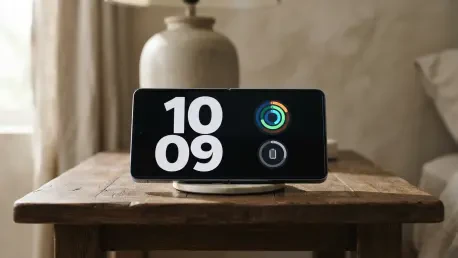
In a significant move toward feature democratization, the enhanced StandBy mode has been expanded to support all eligible iPhone models, not just the flagship Duo. This means that any user charging their device in a horizontal orientation can now access high-fidelity digital and analog clock faces, customizable widgets, and interactive calendars. The update allows for the creation of multiple StandBy profiles, which users can toggle between based on their current environment, effectively turning the iPhone into a versatile smart home display. Whether it is a kitchen-focused dashboard with timers and recipes or a bedside profile with dimmed lighting and sleep tracking, the versatility of this feature adds a new layer of utility to the device when it is not in active use. By bringing these premium visual tools to a wider range of hardware, the company ensures that the aesthetic and functional benefits of the latest software are accessible to a broader segment of the user base.
Creative Evolution: Advancing Social Fitness and System Utility
Creative and social tools have been significantly bolstered by the integration of generative AI within core applications like Freeform and Apple Music. Within the Apple Creator Studio, subscribers can now utilize text-to-image prompts to generate complex shapes and visual assets directly on their digital whiteboards, streamlining the brainstorming process for designers and collaborators. Meanwhile, the new Selfie Sing feature in Apple Music allows users to record high-quality karaoke performances using professional-grade vocal filters and real-time audio processing. This feature bridges the gap between media consumption and content creation, turning the iPhone into a portable recording studio for social expression. These tools are powered by the local neural engine, ensuring that the creative process remains fast and responsive without relying on cloud-based processing. By embedding these capabilities into everyday apps, the operating system encourages a more interactive relationship with technology.
The introduction of the iOS 27.3 beta provided a comprehensive framework for the next stage of mobile computing, emphasizing the synergy between intelligence and utility. Users found that the combination of proactive Siri automation and deep biological health tracking created a more cohesive digital experience that reduced the need for manual data management. Developers leveraged the new App Intents and creative APIs to build software that felt more integrated into the system’s core identity. Throughout the early testing phase, the emphasis remained on refining the ergonomic experience for foldable devices while expanding high-end features like StandBy to the entire product lineup. Those who adopted the beta early were able to transition toward a more intuitive relationship with their devices, setting a precedent for how software could actively support both productivity and personal wellness. This rollout ultimately functioned as a definitive shift in the platform’s history.