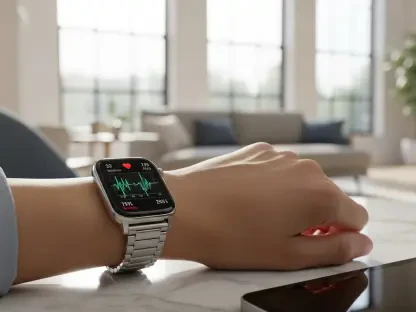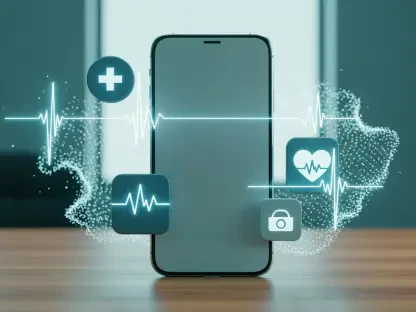

Modern mornings no longer start with the aroma of freshly brewed coffee but with a silent, habitual glance at a glowing screen to review a numerical breakdown of the previous night’s rest. This shift signals a biological data revolution where millions of individuals voluntarily track every heartbeat, step, and REM cycle with military precision. As these sleek sensors become inseparable from the human experience, a critical tension emerges regarding whether this constant stream of biometric data serves as a roadmap to longevity or a high-speed shortcut toward digital hypochondria.
Beyond the Wristband: The New Era of Personal Bio-Monitoring
The evolution from basic pedometers to sophisticated biometric hubs represents a fundamental change in how the public perceives personal health. This transition moves health management out of the sterile confines of a doctor’s office and directly into the palm of the user’s hand. As chronic conditions such as hypertension and sleep apnea become increasingly prevalent, the ability to monitor physiological trends in real-time offers a proactive alternative to the traditional, reactive healthcare model.
Why Your Smartwatch Is More Than a Fashion Statement
The primary breakthrough of wearable technology lies in its capacity to capture granular data that was previously inaccessible outside of a specialized laboratory. These devices provide unprecedented insights into activity levels and heart rate variability, which are essential for identifying subtle patterns in complex conditions. By turning abstract biological signals into readable trends, technology empowers users to make informed lifestyle adjustments long before a minor issue becomes a major clinical crisis.
The Paradox of Progress: Diagnostic Goldmine vs. Digital Anxiety
However, this accessibility carries a significant psychological cost often referred to as data obsession. Users may find themselves over-analyzing minor fluctuations in their metrics, leading to heightened anxiety and unnecessary stress. Furthermore, the technical reality is that most consumer-grade wearables lack FDA approval, meaning the perceived breakthrough data might occasionally be inaccurate. This discrepancy creates a scenario where a device intended to improve well-being instead fuels a cycle of constant digital worry.
Insights from the Lab: The Clinical Reality of Consumer Data
The medical community is beginning to embrace these datasets, provided they are utilized within a structured professional context. Dr. Sarah Benish, a neurologist whose research was featured in the journal Neurology, emphasizes that wearable data can be a vital tool for managing conditions like epilepsy and migraines. By sharing these digital logs with clinical teams, patients provide a clearer picture of their health between appointments. Nevertheless, the professional consensus remains that these tools should supplement, not replace, standardized diagnostic testing.
Navigating the DatHow to Use Wearables Without Losing Your Mind
To maximize the benefits of a wearable device, users adopted a framework of balanced usage that prioritized physical symptoms over algorithmic feedback. This approach transformed the device into a conversation starter for medical consultations rather than a source of self-diagnosis. By scheduling specific times to review weekly trends instead of reacting to every notification, individuals maintained their mental clarity. Integrating these high-tech tools into a traditional healthcare framework ensured that the technology served the patient’s long-term health goals.