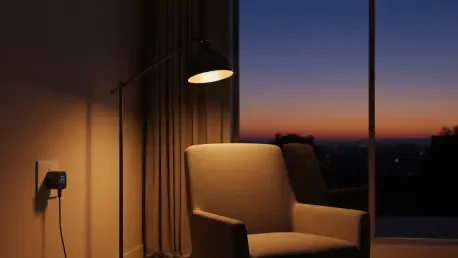

These unassuming devices, often purchased on a whim to control a single lamp, represent one of the most accessible and powerful entry points into a truly automated living space. While the simple act of remotely turning an appliance on or off is certainly useful, it barely scratches the surface of what a smart plug can achieve. They are the versatile building blocks that can enhance home security, introduce profound conveniences, and actively manage household resources without requiring a complete overhaul of existing appliances. By moving beyond the basic on/off function and exploring their integration with schedules, routines, and other smart devices, it becomes possible to transform a conventional house into a responsive, efficient, and secure environment. These small adapters are not merely remote controls; they are conduits for automation, capable of streamlining daily life in ways many have yet to discover.
Bolstering Home Security and Personal Safety
One of the most immediate and effective applications for a smart plug is the enhancement of home security through automated lighting. By connecting lamps in various rooms to smart plugs, homeowners can establish schedules that mimic the natural patterns of an occupied house, creating a powerful deterrent for potential intruders when away on vacation or simply working late. These schedules can be randomized to avoid predictable patterns, making the illusion of occupancy even more convincing. The security benefit extends beyond the interior, as these plugs can also manage outdoor lighting, ensuring porches and patios are illuminated from sunset to sunrise without any manual intervention. A more advanced tactic involves connecting a garage door opener to a smart plug, which allows the user to completely sever power to the unit. When activated, this security measure renders stolen remote controls or compromised keypads entirely useless, effectively deadlocking a primary entry point into the home and adding a robust layer of protection.
Beyond safeguarding a home from external threats, smart plugs serve a critical role in preventing common household accidents and enhancing personal safety. A frequent source of anxiety for many is the uncertainty of whether a high-heat appliance was left on after leaving the house. Devices such as flat irons, curling wands, soldering tools, or even hot glue guns pose a significant fire risk if forgotten. Plugging these items into a smart plug provides an invaluable solution. From any location with an internet connection, a user can open an app on their smartphone to verify the power status of the connected plug and, if necessary, turn it off instantly. This simple action provides immediate peace of mind and mitigates a potentially disastrous situation. This functionality can also be leveraged for convenience, such as scheduling a hair styling tool to begin preheating as part of an established morning routine, ensuring it is ready for use at the perfect time while still being protected by the safety net of remote control.
Cultivating a Responsive and Convenient Automated Environment
At its core, the primary function of a smart plug is its ability to bestow intelligence upon otherwise “dumb” electronics, bridging the gap between traditional appliances and the modern connected home. This foundational capability unlocks a world of convenience, allowing older, reliable devices to participate in automated routines. A classic drip coffee maker, for example, can be prepped the night before and scheduled to turn on minutes before an alarm clock sounds, ensuring a fresh pot of coffee is ready and waiting. Similarly, decorative holiday or patio string lights can be automated to turn on at dusk and off at dawn without any manual effort. An especially clever application is connecting a home’s Wi-Fi router to a smart plug, providing a simple method for a remote reboot to resolve network connectivity issues. However, for this to be effective when the Wi-Fi is down, it is crucial that the smart plug operates on a different communication protocol, such as Bluetooth, Zigbee, or Z-Wave, allowing it to be controlled directly from a smartphone or smart home hub.
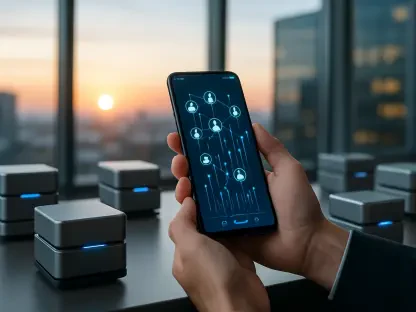
Building upon simple scheduling, smart plugs can be integrated into more sophisticated automation ecosystems, creating a home that responds dynamically to its occupants. It is possible to establish motion-activated lighting in any room without the need for specialized switches or costly electrical work. By leveraging the built-in occupancy sensors found in many modern smart speakers, such as an Amazon Echo Dot, a smart plug connected to a lamp can be triggered to turn on the moment someone enters a room. This type of routine can be further customized to include a verbal greeting from the smart assistant or to activate other devices simultaneously. To enhance efficiency, the automation can include a timer that automatically turns the light off after a predetermined period of inactivity, such as 15 minutes, preventing energy waste from lights being inadvertently left on. This seamless integration transforms a simple plug into a component of a much larger, more intelligent system that adapts to daily life.
Smart plugs also offer an accessible way to introduce intelligent climate control, allowing for precise management of a room’s temperature without investing in new, expensive appliances. A standard, non-smart fan or a portable space heater can be connected to a smart plug, instantly enabling remote and automated operation. During warm summer months, a fan can be turned on via a voice command or a smartphone app to circulate air, creating a cooling effect that can help reduce reliance on the central air conditioning system and save significant energy. For a more advanced setup, the smart plug can be linked to a smart thermostat or a separate temperature sensor within the home’s automation platform. This allows for the creation of rules that automatically activate the fan whenever the room’s temperature exceeds a specific threshold. The same principle applies in reverse during the winter with a space heater, ensuring a room is comfortably warm when needed without the cost and inefficiency of running the heater all day long.
Efficiently Managing Household Resources and Routines
For households with children, a smart plug can become an invaluable tool for enforcing rules and managing daily routines, particularly when it comes to screen time. By connecting a television or a gaming console to a smart plug, parents gain absolute control over when these devices receive power. Schedules can be implemented to automatically disable the devices during designated homework hours or after a set bedtime, eliminating arguments and ensuring compliance. The power can also be controlled remotely from a smartphone, allowing parents to use access to entertainment as a reward for completed chores or good behavior. To ensure these rules are not easily circumvented, a practical approach is to use a short extension cord to position the smart plug behind the entertainment center or in another inaccessible location, preventing children from manually overriding it. This strategy can even be applied to the home’s primary Wi-Fi router, creating a comprehensive digital curfew by cutting off internet access for all devices on the network.
Beyond managing household activities, smart plugs are a powerful instrument for monitoring and reducing energy consumption, leading to tangible savings on utility bills. They directly combat the issue of “vampire” or “phantom” power draw, which is the electricity consumed by electronics like televisions, chargers, and game consoles even when they are powered off but remain in standby mode. A smart plug physically severs the connection to the power source, completely eliminating this persistent and wasteful energy drain. Furthermore, many smart plug models are equipped with energy monitoring features that provide detailed data on the electricity usage of any connected appliance. This valuable insight empowers homeowners to identify the most power-hungry devices in their home and make informed decisions about their usage. By understanding exactly where electricity is being consumed, it becomes possible to implement more strategic conservation efforts, leading to a more efficient home and lower monthly expenses.
A Foundation for the Evolved Home
The exploration of these diverse applications revealed that the humble smart plug was far more than a simple gadget for remote control. It proved to be a foundational element that unlocked layers of security, convenience, and efficiency previously reserved for more complex and expensive smart home systems. From the peace of mind gained by remotely disabling a forgotten appliance to the simple pleasure of waking up to the aroma of freshly brewed coffee, these devices consistently demonstrated their value. The ability to simulate occupancy for security, manage screen time for children, and actively reduce energy waste transformed everyday routines. It became clear that by integrating these plugs into broader automation routines linked to sensors and smart assistants, their potential expanded exponentially. The journey underscored that the path to a truly smart and responsive home did not require a complete technological overhaul but could begin with the strategic placement of these small, powerful, and accessible tools.