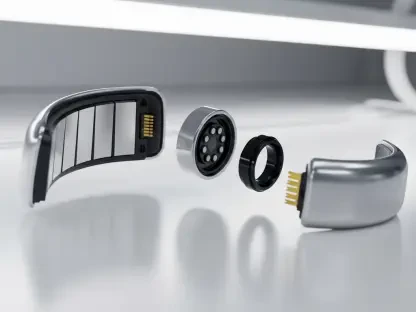

The silent progression of atrial fibrillation remains one of the most significant hurdles in modern preventative cardiology, often evading detection until a major cardiovascular event occurs, which is why wearable technology companies are racing to develop more reliable diagnostic tools. A recent patent filing suggests a sophisticated pivot toward high-fidelity medical monitoring by introducing a two-stage methodology designed specifically for the unique constraints of the smart ring form factor. This development represents a shift from general wellness tracking to a rigorous clinical approach that prioritizes data integrity over constant, unfiltered data streams. By integrating optical heart rate data with auxiliary inputs from motion and temperature sensors, the system aims to solve the persistent problem of false positives that has long plagued wrist-worn and finger-worn devices. This strategic move highlights a growing industry demand for accuracy in detecting irregular heart rhythms.
Selective Data Acquisition: The Shift From Continuous Monitoring
One of the primary challenges in monitoring cardiac health via a ring is the prevalence of signal noise generated by everyday physical activities such as walking, typing, or even simple hand gestures. The proposed system addresses this by moving away from battery-intensive continuous monitoring toward a more selective, high-quality data collection process that only engages when conditions are optimal. Before the device even attempts an analysis of the heart rhythm, it utilizes built-in motion sensors and temperature readings to determine whether the user is in a stable physical state and if there is sufficient contact between the skin and the sensors. This ensures that the data being analyzed is not compromised by external movement or environmental factors that could lead to an incorrect interpretation of the heart rate. By establishing these strict criteria for data entry, the device can effectively minimize the risk of false positives while simultaneously preserving battery life.
This sophisticated filtering mechanism operates as a gatekeeper for the complex algorithms that interpret heartbeat intervals, ensuring that only the cleanest signals are processed for diagnostic purposes. Beyond just detecting motion, the system evaluates the thermal environment and historical activity levels to contextualize the physiological data it receives from the Photoplethysmography sensors. This multidimensional approach allows the smart ring to distinguish between a racing heart caused by physical exertion and a genuine arrhythmia that requires medical attention. By leveraging this sensor fusion, the technology can adjust its internal parameters dynamically rather than relying on the rigid, universal thresholds that often fail to account for individual physiological differences. This level of granular control represents a significant advancement in wearable engineering, transforming a passive consumer gadget into a proactive health monitor that understands the context of its user.
Advanced Validation: Implementing a Two-Stage Diagnostic Framework
The architecture of the detection process is intentionally structured into two distinct phases to provide a layered defense against diagnostic errors and unnecessary user anxiety. In the first phase, the device employs its Photoplethysmography sensors to passively monitor the user’s heart rhythm for any patterns that might suggest the presence of atrial fibrillation or other irregularities. If the system flags a potential issue, it does not immediately issue a high-level alert but instead moves into a secondary validation phase that requires more specific confirmation. This hierarchical structure is designed to isolate suspicious segments and apply more intensive data processing techniques, such as filtering specific heartbeat intervals to remove transient irregularities before they reach the final stage. This careful progression ensures that any notification sent to the user is backed by multiple layers of statistical evidence, reducing the burden on both the user and the healthcare system.
A particularly intriguing aspect of this patent is the suggestion that future hardware iterations may include dedicated Electrocardiogram capabilities to act as the final validation layer for initial findings. When the passive sensor detects a potential irregularity, the system could prompt the user to perform a manual reading, providing a medically recognized gold standard to confirm the initial findings from the optical sensors. This integration of a secondary, user-initiated validation step suggests a clear roadmap for the evolution of the ring from a wellness accessory into a sophisticated medical-grade tool. By providing this second layer of verification, the device can offer much higher diagnostic confidence, bridging the gap between casual consumer tracking and clinical diagnostics. Such a capability would position the smart ring as a vital component in long-term cardiac management, allowing users to capture high-quality data at the exact moment a symptom is detected rather than waiting for an office visit.
Strategic Evolution: Shaping the Future of Cardiac Health Tech
The move toward clinical-grade AFib detection indicated a broader industry trend where accuracy and signal quality became the primary metrics for success in the competitive wearable market. While other manufacturers focused on constant tracking, the strategy detailed in the patent emphasized a focused approach that valued the integrity of each data point over the sheer volume of information. This shift addressed the critical need for reliable health tools that could integrate seamlessly into existing medical workflows without overwhelming clinicians with noisy or irrelevant data. By refining how these devices captured and validated heart rhythms, the technology set a new standard for how wearable electronics managed chronic health conditions. This progress encouraged a more evidence-based approach to cardiac monitoring, where the focus remained on providing actionable insights that led to early interventions. For those managing heart health, the focus moved toward implementing these diagnostic protocols.