
The rivalry between Samsung and Apple has reached a fever pitch with the debut of the Galaxy S26 Ultra, a device engineered to disrupt the market dominance of the iPhone 16 Pro Max. Many tech observers initially believed that this iteration would be the one to finally tip the scales, especially given the aggressive marketing regarding its specialized privacy displays and enhanced video stabilization capabilities. However, as the initial excitement subsides and users begin to integrate these devices into their daily lives, the comparison becomes less about raw specifications and more about the refinement of the user experience. While Samsung has packed its flagship with cutting-edge hardware, the actual utility of these features often clashes with the seamless, established workflows that Apple users have come to expect. This tension defines the current landscape, where the S26 Ultra represents a bold, experimental path while the iPhone 16 Pro Max doubles down on a proven, cohesive ecosystem that prioritizes stability.
Navigating the Divide: AI Innovation Versus Practical Utility
The marketing campaign for the S26 Ultra centered heavily on its identity as the world’s most advanced “AI phone,” yet the practical implementation of these tools often feels like a collection of experiments rather than a unified strategy. Features like AI-powered call screening and the Super Steady Horizontal Lock for video provide genuine value by solving common problems in communication and mobile cinematography. However, much of the surrounding “Now” ecosystem—comprising the Now Brief, Now Bar, and Now Nudge—struggles to prove its necessity. The Now Brief widget, for instance, frequently generates summaries of data that users can already access through standard notifications or simple swipes, such as weather updates and calendar events. Similarly, the Now Bar fails to match the deep, system-wide integration of Apple’s Dynamic Island, remaining largely confined to the home screen and limiting its effectiveness as a multitasking tool for those who rely on a variety of third-party applications.
Creative tools within the S26 Ultra, such as Photo Assist and Creative Studio, highlight the current limitations of mobile generative AI when compared to professional standards. While these features allow users to manipulate images through text prompts, the final results often exhibit an artificial quality that lacks the texture and high-resolution detail found in traditional editing suites. Furthermore, the inclusion of Perplexity within the Bixby assistant appears redundant for the average Android user who already has access to the highly capable Google Gemini. This overlap creates a cluttered software experience where multiple AI assistants vie for the user’s attention without offering distinct advantages over one another. For power users who demand precision and reliability, these experimental additions may feel more like distractions than true innovations. The challenge for Samsung remains bridging the gap between showcasing technical possibilities and delivering polished, intuitive features that feel like an essential part of the modern experience.
Evaluating Design Shifts: The Impact of Material Choices and Ergonomics
A significant point of contention regarding the S26 Ultra is the decision to transition from a titanium frame back to an aluminum chassis, a move Samsung claims improves thermal efficiency and reduces production costs. While these internal benefits are technically sound, the physical reality for a user coming from the iPhone 16 Pro Max is a noticeable shift in the tactile quality and perceived durability of the device. Aluminum, while lightweight and effective at heat dissipation, lacks the sophisticated, high-end feel that titanium has established as the standard for premium flagships in this price bracket. This material choice, combined with the pursuit of an even thinner profile, has inadvertently compromised the ergonomic balance of the handset. A device that feels less substantial in the hand can struggle to justify its premium status, particularly when its primary competitor continues to use materials that are widely associated with luxury and long-term resilience in the face of daily wear.
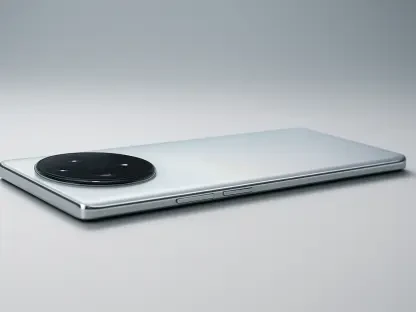
The drive toward extreme thinness has also resulted in a disproportionately large camera bump that negatively impacts the device’s stability when used on flat surfaces. This protrusion causes the S26 Ultra to wobble significantly, an issue that essentially forces users to purchase thick protective cases to level out the back of the phone. Consequently, the sleek aesthetic and thinness that Samsung engineers worked to achieve are immediately obscured by the bulk of necessary accessories. Furthermore, the lack of a native magnetic charging standard remains a significant hurdle for those accustomed to the convenience of MagSafe. While third-party magnetic cases exist, they are often cumbersome and can be physically obstructed by the massive camera housing, preventing accessories from sitting flush. This absence of a seamless, built-in magnetic ecosystem creates friction for users who have integrated magnetic wallets and mounts into their routines, highlighting a gap between Samsung’s hardware ambitions and the practical needs of the consumer.
Ecosystem Cohesion: The Barrier to Platform Migration
Beyond the specific hardware and software features of the S26 Ultra, the greatest obstacle to attracting iPhone 16 Pro Max users is the profound “stickiness” of the broader Apple ecosystem. For most individuals, the smartphone is not an isolated tool but the central hub of a complex network of interconnected devices, including iPads, MacBooks, and Apple Watches. The level of synergy found in features like Universal Control, AirDrop, and the seamless handoff of FaceTime calls between devices creates a user experience that is incredibly difficult to replicate with a single Android flagship. Even if the S26 Ultra provides superior zoom capabilities or more advanced AI editing tools, these individual wins often fail to outweigh the convenience of a fully synchronized digital life. The friction involved in migrating data, re-purchasing apps, and finding alternatives for deeply integrated services like iCloud and AirTags represents a significant investment of time and effort that many users are unwilling to make.
The comparison between these two giants revealed that while technical superiority is important, the ultimate winner was often determined by how well a device integrated into the user’s existing lifestyle. Prospective buyers who prioritized raw innovation and experimental AI features found much to admire in the Galaxy S26 Ultra, but those seeking a cohesive and stable environment remained anchored to the iPhone. To bridge this divide, future developments should have focused on establishing a more robust, open-standard magnetic ecosystem and deepening the integration between Android devices and desktop platforms. Manufacturers needed to move beyond the “AI for the sake of AI” approach and instead prioritized features that reduced the friction of cross-platform transitions. For those considering a switch, the most effective strategy involved evaluating the cost of ecosystem exit versus the tangible benefits of new hardware. Ultimately, the industry moved toward a stage where the most successful devices were those that balanced aggressive technical leaps with reliable utility.