
The promise of a fully automated home, where devices anticipate needs and work in perfect harmony, has often been overshadowed by the frustrating reality of incompatible platforms and clunky interfaces. Many homeowners find themselves managing a chaotic collection of gadgets from different manufacturers, each with its own app and set of rules, turning the dream of a streamlined smart home into a complex technological puzzle. This fragmentation has created a significant barrier for users, where the effort required to create simple automations across different ecosystems—like having Philips Hue lights react to a Nest thermostat change—can feel overwhelming. The industry’s attempts to solve this, such as the Matter standard, have yet to fully address the interoperability issues for countless legacy devices already installed in homes. This widespread challenge highlights a critical need for a more intuitive, centralized control system that can bridge these communication gaps and finally deliver on the seamless experience that smart technology has long promised.
1. A New Paradigm in Home Automation
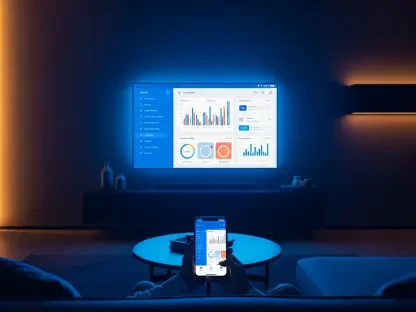
The integration of advanced artificial intelligence into the smart home ecosystem is providing a powerful solution to the persistent challenge of device fragmentation and complex configurations. Rather than relying on rigid, pre-programmed routines, AI-driven platforms like Claude Code from Anthropic are introducing a layer of intuitive, conversational control that was previously unattainable for the average user. Getting started involves leveraging the Claude desktop application, with subscription tiers like the Pro and Max plans offering varying levels of capability. The initial process begins by tasking the AI with a straightforward command: to scan the local network, identify all connected smart devices, and generate a unified control dashboard. While the first iteration of this dashboard might appear rudimentary, it represents a monumental first step—consolidating disparate devices from various manufacturers into a single, accessible interface and laying the groundwork for more sophisticated, customized automation through natural language.
To truly unlock the potential of this AI-driven approach, integration with a robust, open-source platform like Home Assistant becomes an essential next step. Home Assistant is renowned for its extensive compatibility with thousands of devices across numerous protocols and its emphasis on local control, which keeps user data private and ensures the system functions even if the internet connection is down. The primary hurdle for many users with Home Assistant has traditionally been its steeper learning curve, often requiring some level of technical knowledge to configure YAML files and set up complex automations. This is precisely where Claude Code excels, acting as an intelligent translator between the user’s conversational requests and Home Assistant’s technical requirements. A user can simply state their goal, such as, “When I leave the house, lock the doors, turn off all the lights, and lower the thermostat to 68 degrees,” and the AI can generate the necessary configuration, transforming a potentially daunting task into a simple conversation.
2. Redefining Smart Home Management
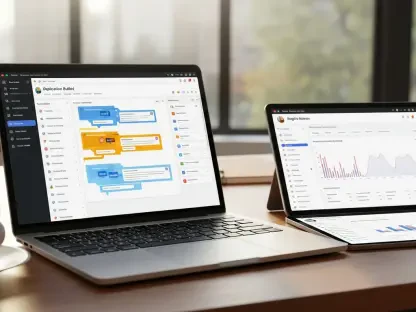
The synergy between Claude Code and Home Assistant fundamentally redefines the user experience by offering a granular level of control and personalization through simple, direct commands. Key features extend far beyond basic on/off functions, empowering users to manage and configure devices that may not yet be officially integrated with Home Assistant, effectively bridging compatibility gaps. The creation of complex automation routines becomes remarkably streamlined; users can establish rules such as ensuring all downstairs lights and entertainment systems automatically power down 30 minutes after the last motion is detected in the evening. Furthermore, dashboard customization is elevated to a new level of simplicity. Instead of manually editing code or navigating complex menus, a user can instruct the AI to “create a ‘Security’ view on my dashboard with controls for all door locks, window sensors, and outdoor cameras,” allowing for the rapid creation of personalized layouts that prioritize quick access to the most essential controls.
This direct integration allows the AI to interact with Home Assistant’s API, enabling it to execute commands and build routines with a responsiveness and efficiency that feels seamless. The collaborative dynamic turns a potentially complicated setup into an intelligently managed and highly adaptable system. For example, a user can receive proactive suggestions or troubleshoot issues through conversation, asking Claude why a specific automation failed to run, and receive a clear, actionable explanation. This interactive process fosters a more intuitive relationship between the user and their home’s technology. The system moves beyond a collection of isolated smart devices and evolves into a cohesive, responsive environment where complex scenarios, from multi-stage “movie night” scenes to intricate energy-saving routines, are implemented effortlessly. The result is a smart home that not only works as intended but also adapts and improves based on the user’s ongoing interaction and preferences.
A Glimpse into an Automated Future
The integration of conversational AI into complex home automation platforms marked a significant turning point in smart home technology. It effectively dismantled the barriers to entry that had long prevented mainstream adoption, moving beyond the realm of hobbyists and tech enthusiasts. This evolution demonstrated that the solution to technological complexity was not necessarily a new universal hardware standard, but a more intelligent and intuitive software layer capable of understanding human intent. By translating natural language into machine-readable commands, this approach empowered users to finally realize the cohesive, responsive, and truly automated living spaces they had envisioned. The successful collaboration between AI and open-source platforms set a new precedent for user interaction, suggesting a future where managing sophisticated technology would become as simple as having a conversation.