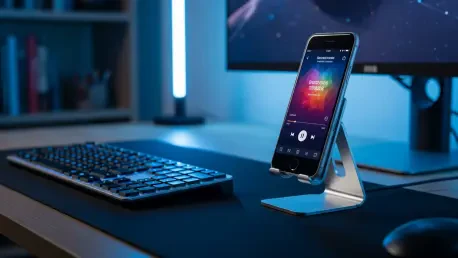

The pervasive accumulation of outdated consumer electronics in modern households has inadvertently created a vast, untapped reservoir of sophisticated hardware that remains capable of driving complex automation tasks. While many individuals view their old smartphones, tablets, and laptops as mere clutter or environmental liabilities, these devices are actually functional goldmines for a modern household. By applying a degree of creativity and leveraging the right software applications, hardware that appears obsolete can be transformed into high-functioning tools that rival expensive, purpose-built smart home equipment. This transition from perceived junk to genuine utility allows homeowners to bypass the significant financial investment typically required for high-end gear while promoting environmental sustainability. Keeping existing resources in use effectively mitigates the demand for new manufacturing, reducing the carbon footprint associated with the rapid turnover of consumer technology. The core challenge lies not in the limitations of the hardware itself, but in the shift of perspective required to see an aging tablet as a dedicated dashboard rather than a slow computer. As the smart home ecosystem continues to mature, the value of specialized, single-purpose devices becomes increasingly apparent, making these legacy gadgets more relevant than ever before.
Establishing a Centralized Command Hub
A retired tablet, whether it is an aging iPad or an older Android device, is uniquely suited to function as a dedicated smart home command center. Because of their expansive screens and portable designs, these tablets can be permanently mounted on a wall in a high-traffic area or placed on a dedicated charging dock to serve as a centralized hub for controlling platforms like Apple Home, Google Home, or Amazon Alexa. This setup is particularly effective for managing various applications for devices like robot vacuums, smart blinds, or air purifiers that might not integrate seamlessly into a single, unified ecosystem. By keeping these disparate controls on a shared, stationary device, homeowners can create a “single pane of glass” view of their entire property’s status. This approach eliminates the frustration of searching for a primary smartphone just to adjust the thermostat or check the doorbell camera. Furthermore, a wall-mounted tablet provides a professional, integrated look to the home, making the technology feel like a built-in feature of the architecture rather than an afterthought.
The decentralization of home control through a dedicated tablet also addresses significant privacy and accessibility concerns within the modern household. When smart home management is tethered exclusively to a primary user’s smartphone, guests, children, or temporary residents often find themselves locked out of basic home functions. By repurposing an old tablet into a shared interface, family members can adjust settings without requiring administrative access to a personal device or a private account. This setup also enhances security, as it prevents the need to share sensitive login credentials or hand over a personal phone to others. From a technical standpoint, older tablets often have sufficient processing power to run dashboard apps like Home Assistant or ActionTiles, which can be customized to show only relevant controls. This specialization allows the hardware to perform flawlessly, as it is no longer burdened by the background processes of social media, email, or complex gaming apps. Consequently, the device remains responsive and reliable, serving as a robust anchor for the household’s digital infrastructure.
Bridging the Gap Between Legacy Hardware and Modern Media
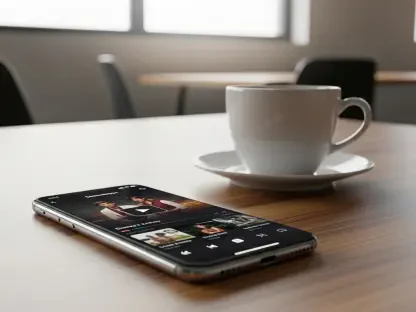
Old smartphones can find a second life as highly sophisticated television remotes and media controllers, bridging the gap between traditional entertainment systems and modern streaming services. Most contemporary smart televisions and streaming boxes offer dedicated applications that allow a smartphone to control volume, navigate menus, and launch streaming platforms over a local Wi-Fi network. This is far more than a simple convenience; it serves as a cost-effective and highly functional backup for original equipment manufacturer remotes, which are notoriously easy to lose or damage and expensive to replace. Additionally, using a phone as a remote provides the benefit of a full QWERTY keyboard, making it significantly easier to search for titles or enter login information compared to the tedious process of using a directional pad on a standard remote. This repurposing effectively turns a discarded piece of glass and silicon into a high-end interface that improves the overall user experience of the home theater system without any additional expenditure.
Beyond Wi-Fi-based control, certain legacy smartphone models possess a specific hardware feature that has become rare in modern flagship devices: the infrared (IR) blaster. This hardware component allows a device to act as a universal remote for virtually any electronic product that uses an IR signal, such as older sound systems, traditional cable boxes, or legacy television sets. By installing a universal remote application, a user can consolidate a cluttered coffee table full of plastic remotes into a single, streamlined smartphone. This capability is particularly useful for integrating “dumb” appliances into a smarter workflow, allowing the user to control the volume of an old analog receiver and the playback of a modern streaming stick from the same handheld interface. Even without an IR blaster, old phones can be used as dedicated Spotify Connect or Apple Music controllers, remaining permanently stationed near a stereo system. This specialization ensures that the media experience is always accessible and intuitive, regardless of the age or connectivity of the primary audio-visual equipment.
Revitalizing Audio Systems and Utility Gear
One of the most effective ways to revitalize high-quality but aging audio equipment is by utilizing an old phone or tablet as a dedicated streaming receiver. Many legacy stereo systems possess superior acoustic properties but lack the wireless connectivity expected in the current technological landscape. By connecting an old device to a stereo’s amplifier via a standard 3.5mm AUX cable or a high-quality digital-to-analog converter (DAC), the legacy hardware is instantly granted modern streaming capabilities. When the device is kept permanently powered and connected to the home network, it becomes the digital “brain” of the audio setup, allowing users to cast music directly to it from their primary devices using protocols like Spotify Connect or Bluetooth. This setup provides a low-cost, high-fidelity alternative to expensive networked audio players. While the physical arrangement might involve a few visible cables, the functional outcome is a sophisticated audio solution that leverages the enduring quality of older speakers while providing the convenience of modern software.
Even older smart plugs that have been replaced by newer, more compact versions can continue to provide significant value when applied to strategic monitoring tasks. Instead of discarding these units, they can be deployed to oversee “watchlist” appliances—those that do not require daily on-off automation but do require constant supervision for safety or efficiency. For example, a smart plug can be used on a secondary freezer in a garage or a basement dehumidifier to monitor power consumption patterns. By leveraging the energy-monitoring features found in many smart plug applications, homeowners can track power spikes, identify excessive standby drain, or receive immediate alerts if a critical appliance stops drawing power. This specific application moves the focus of smart home technology away from simple convenience and toward proactive home maintenance and safety. It ensures that even the most basic pieces of older smart hardware contribute to the overall health and operational efficiency of the household, preventing costly repairs or loss of property through early detection of appliance failure.
Enhancing Surveillance and Security with Existing Optics
The inherent hardware specifications of smartphones—specifically their high-resolution cameras, sensitive microphones, and reliable Wi-Fi connectivity—make them ideal candidates for DIY security cameras or baby monitors. Specialized software applications can transform a spare phone into a sophisticated surveillance node capable of streaming live video, recording motion-triggered events, and facilitating two-way audio communication. This repurposing is one of the most straightforward ways to bolster home security without committing to the high costs and monthly subscription fees associated with professional camera systems. Because these phones are often more powerful than entry-level dedicated security cameras, they can provide higher frame rates and better image processing in various lighting conditions. When mounted discreetly and connected to a continuous power source, these devices offer a flexible and scalable security network that can be expanded or repositioned at a moment’s notice to cover blind spots or monitor specific areas of interest.
The success of these security projects highlights a broader shift toward software-defined functionality, where the utility of a device is determined by the application it runs rather than the age of its internal components. The hardware in a several-year-old smartphone is frequently more than capable of handling high-definition video encoding or smart hub management; it only feels obsolete when it is forced to run the resource-heavy, bloated operating systems designed for the latest flagship models. By stripping a device down to a single-purpose tool—such as a dedicated camera or a sensor hub—the user bypasses the performance bottlenecks of the aging hardware. This approach extends the functional lifespan of the electronics by several years, proving that specialized utility can overcome the perceived limitations of older technology. It encourages a more granular understanding of hardware capabilities, allowing homeowners to match specific technical tasks with the devices best suited to handle them, regardless of their manufacturing date.
Navigating the Future: Sustainable Integration Strategies
Repurposing old technology represents a proactive and necessary shift toward supporting a sustainable tech ecosystem and the growing right-to-repair movement. The traditional lifecycle of consumer electronics, often dictated by short-term contracts or the pursuit of the latest features, frequently results in perfectly functional hardware being discarded prematurely. By viewing a “junk drawer” as an inventory of functional components rather than a collection of waste, consumers can actively combat the throwaway culture that has dominated the industry for years. This shift in perspective values the longevity of hardware and the ingenuity of the user over the constant cycle of upgrading. Embracing this mindset does not just save money; it fosters a deeper understanding of how technology works and how it can be tailored to meet specific needs. It promotes a more conscious form of consumption where the decision to buy new is weighed against the possibility of innovating with what is already available on the shelf.
Actionable strategies for the coming years involve a systematic audit of all dormant electronics to identify which devices possess the specific sensors or connectivity required for home upgrades. Homeowners benefited from conducting a thorough inventory of screen sizes, camera resolutions, and available ports to determine the best fit for each room. Many successfully implemented a phased approach, starting with simple tasks like dedicated music streaming before moving to more complex integrations like wall-mounted command centers. Future considerations should include the use of lightweight, privacy-focused operating systems that can breathe new life into older laptops or tablets, ensuring that data remains local and secure. As the smart home landscape became more fragmented, the ability to bridge different ecosystems using older hardware proved to be a critical skill. By prioritizing clever integration and daily utility, anyone turned their home into a more responsive and efficient environment while simultaneously reducing their environmental impact and financial overhead.