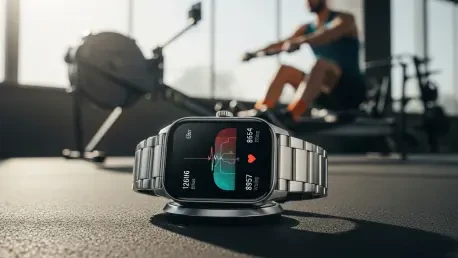

The modern landscape of wearable technology has shifted from basic step counting to providing sophisticated, laboratory-grade physiological insights that were once reserved for elite sports clinics. With the recent rollout of firmware version 3.7.0.8 for the Amazfit Active 3 Premium, Zepp Health has signaled a clear intent to bridge the gap between enthusiast-grade hardware and professional-level data analysis. This 16.40MB update arrives as a critical refinement for a device that already serves as a versatile hybrid of the existing Max and standard series lines. By focusing on precision and accessibility, the manufacturer addresses a growing demand among athletes for tools that do more than just record activity; they must interpret it with actionable accuracy. As fitness enthusiasts increasingly seek to quantify their limits, the integration of these refined software capabilities transforms the smartwatch into a proactive training partner. This shift reflects a broader industry trend where the value of a device is defined by the intelligence of its software as much as the quality of its sensors. The emphasis on data-driven recovery and effort management has become the primary benchmark for success in the competitive wearable market.
Advanced Physiological Metrics and Lactate Threshold Precision
A central pillar of this software update is the optimization of lactate threshold tracking, which is now configured for auto-detection by default rather than requiring manual initiation. This metric represents the specific intensity of exercise at which lactate begins to accumulate in the bloodstream faster than it can be removed, marking the boundary between sustainable aerobic effort and rapid fatigue. For endurance runners and cyclists, knowing this threshold is vital for pacing and performance gains, as it allows for training at the absolute limit of one’s metabolic capabilities without hitting a wall prematurely. By making this feature autonomous, the system demonstrates an increased confidence in the reliability of its biometric algorithms and the underlying sensor array. This automation ensures that users receive constant updates on their fitness levels during regular workouts without the need for specialized, grueling test sessions. While this advanced capability is currently a hallmark of the Premium model, its successful implementation suggests a future where such high-level metrics become standardized across the broader ecosystem of connected fitness devices.
Enhancing User Experience Through Adaptive Interface Design
Beyond the complex biological data, the update introduces practical adjustments to the user interface that prioritize current fitness trends, specifically the reorganization of workout menus. The “Hybrid training” mode has been moved to a more prominent position near the top of the activity list, reflecting the modern shift toward multi-disciplinary exercise routines that blend strength and cardio. This design choice reduces navigation friction, allowing users to transition between different types of movement without breaking their focus or momentum. It highlights a departure from rigid, single-discipline tracking in favor of a more fluid understanding of human movement. Looking ahead, athletes should utilize these tools to refine their periodization strategies and monitor long-term physiological trends more closely. The integration of such detailed performance markers encouraged a more nuanced approach to daily health management. This evolution in software design successfully demonstrated that the utility of a device is found in its ability to adapt to the real-world habits of its users.