
Pressed shoulder to shoulder at a festival gate, a wallet wedged in a front pocket and a split-second brush against a stranger, a $2.47 charge later that night, and a nagging question the next morning: did a payment just happen without a tap, a swipe, or even a glance at a screen.
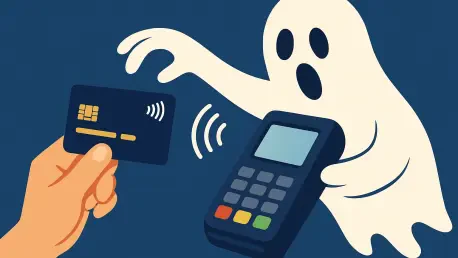
Contactless payments promised speed and less friction, yet a new worry has followed the convenience. “Ghost tapping” is the label consumer advocates use for unauthorized contactless charges triggered from inches away by a concealed reader. The scenario thrives on proximity and distraction, and it unsettles precisely because it exploits the same short-range magic that makes tap-to-pay feel effortless.
Nut Graph: Why Ghost Tapping Matters Now
As more cards ship with NFC and more terminals accept them, the attack surface has widened. Industry trackers estimated that contactless usage climbed into the majority of in-person transactions in many cities, bringing benefits—and more chances for misuse—into crowded spaces where people stand close.
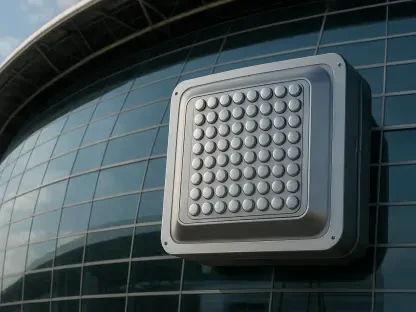
Experts stress that the range is short but not zero. A pocketable reader, the kind used by pop-up vendors, can initiate a handshake within roughly two inches when positioned just right. In dense lines, on busy trains, or at turnstiles, that window becomes plausible, and a tiny charge may slip by unnoticed until patterns emerge.
Body: How the Scam Works and Where Risk Hides
Security researchers have demonstrated that an off-the-shelf reader, set to act like a merchant device, can probe for nearby cards and attempt a microtransaction. “It’s the same tech, different intent,” a payments analyst said, noting that the hardest part is consistently getting the antenna close enough without drawing attention.
Criminals tend to test the waters with small amounts. “Low-dollar charges fly under filters and human radar,” a consumer advocate warned, citing waves of $0.50 to $3 authorizations that often precede larger attempts. Data gleaned from a successful tap can be reused in some environments or sold in underground markets, though EMV protections reduce the value compared with magstripe-era theft.
Authorities have not logged widespread, confirmed cases tied solely to contactless proximity, yet investigators say classification muddies the picture. “A $1 transit-gate ping looks like noise, not fraud,” a fraud unit supervisor said, adding that victims frequently dispute without noting contactless as the method. At the same time, field demos at conferences—and a vendor quietly showing how close a reader must sit to a hip—have validated the proximity risk.
Comparative risk is not uniform. Phones and watches add a gate: Face ID, Touch ID, or a passcode before the wallet transmits. Plastic cards remain passive; when they meet a live reader, there is no on-card prompt to intervene. That difference shifts practical safety toward mobile wallets, particularly in jostling crowds.
Consumers do notice signals when they know where to look. Odd merchant descriptors, off-hour timestamps that map to game nights or festival entries, and clusters of small amounts often tell the story. Real-time banking alerts for contactless transactions convert faint hints into fast action.
Quotes and Reporting: Voices From the Field
“Early detection is everything,” a nonprofit advocate said. “If ten people report $2 dings from the same pop-up merchant ID, a trend appears.” Researchers echoed the need for data, urging banks and card networks to tag contactless disputes clearly so analysts can separate card-not-present fraud from potential proximity taps.
Law enforcement teams described a thin but growing signal. “We saw sporadic cases, rarely conclusive, frequently underreported,” one detective noted, pointing to the gap between a victim’s memory of a crowd and the paperwork code a bank uses. Meanwhile, a concertgoer recounted “two $1.25 hits after the turnstiles,” and a payments exhibitor’s live demo showed the two-inch reality: close, precise, and deceptively ordinary.
Conclusion: Steps That Shut Down the Two-Inch Window
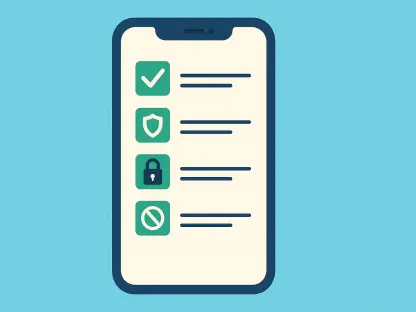
The practical answer favored layered defenses: mobile wallets with biometric checks, disabled contactless on seldom-used cards, RFID-blocking sleeves for plastic, and thoughtful carry habits in crowds. Real-time alerts and weekly scans focused on microcharges had raised detection odds, while fast card locking, followed by reports to the bank, the BBB, local police, and the FBI, had strengthened trend tracking. Taken together, those moves had turned a hazy fear into a manageable risk—and had kept the line between convenience and control firmly in consumers’ hands.