
An unprecedented glimpse into Apple’s future product strategy has emerged from an unexpected source: a pre-beta build of iOS 26, revealing a detailed roadmap that points toward a significant evolution of the company’s wearable technology ecosystem for 2026. This extensive internal leak offers more than just a list of upcoming devices; it provides a strategic blueprint for how Apple envisions the next generation of personal computing, with the Apple Watch and emerging smart glasses positioned as central pillars of an increasingly interconnected user experience. The information, while preliminary and subject to change, outlines a coordinated refresh across multiple product lines, suggesting a deliberate and ambitious push to further entrench users within a seamless network of personal technology. This look behind the curtain indicates that the company’s focus is shifting from iterating on individual products to engineering a more holistic and integrated digital life for its consumers.
A Glimpse into the Next Generation of Wristwear
The Evolution of the Core Lineup
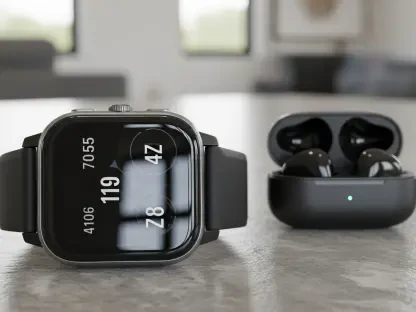
The leaked software build provides compelling evidence for a synchronized update to Apple’s flagship wearable lines in 2026, a move that signals a refined and assertive product strategy. Contained within the code are specific identifiers for what are believed to be the Apple Watch Series 12, codenamed N237 for the Wi-Fi model and N238 for the cellular variant, alongside a direct reference to an Apple Watch Ultra 4, identified as N240. The simultaneous appearance of both the mainstream Series and the rugged Ultra models in the same early development cycle is particularly noteworthy. It suggests Apple is moving away from a staggered release schedule, instead choosing to advance both product lines in tandem. This parallel development path ensures that advancements and core technologies are shared across the premium and high-performance tiers, solidifying the Apple Watch as a cohesive platform rather than a collection of disparate products. Conspicuously absent from this roadmap is any mention of a successor to the Apple Watch SE, implying that the budget-friendly model may be shifted to a less frequent update cycle or potentially phased out to streamline the lineup and push consumers toward the more advanced offerings.
Reading Between the Code Lines
While the discovery of product codenames confirms Apple’s active development pipeline, the nature of a software-based leak inherently limits the scope of the revelations. The iOS 26 build, in its nascent stage, primarily contains the foundational code and identifiers necessary to support future hardware, but it offers no concrete details regarding physical design changes, new materials, or groundbreaking sensor technologies. This is typical of Apple’s development process, where software frameworks are often laid out months, or even years, before hardware specifications are finalized. The absence of such details should not be interpreted as a lack of innovation, but rather as a reflection of the leak’s origin. Speculation about features like advanced health monitoring sensors, a redesigned chassis, or new display technologies remains purely conjectural at this point. The information serves as a confirmation of intent and direction, establishing that the Series 12 and Ultra 4 are central to the 2026 plan, but the full extent of their evolution will only become clear as their respective launch windows approach and more hardware-centric information potentially surfaces.
Beyond the Wrist an Integrated Future
A Sharpened Focus on Smart Eyewear
The leaked software build illuminates Apple’s increasingly focused and strategic approach to the burgeoning smart glasses and augmented reality sector. The code references two distinct projects, indicating a dual-pronged strategy to capture different segments of the market. The first, identified as N401, is described as “AI smart glasses,” suggesting a device that may prioritize ambient, intelligent assistance and passive information delivery over full-blown immersive AR. This could represent a more subtle, all-day wearable designed to integrate seamlessly into a user’s life. In contrast, the second project, codenamed N100 and dubbed “Vision Air,” points toward a lighter and more affordable headset. This product would likely serve as a more accessible entry point into spatial computing, lowering the barrier to entry that has characterized the first generation of high-end headsets. Perhaps most revealing is the implicit evidence that other, unmentioned AR projects have been shelved. This consolidation of effort signals a move away from broad experimentation and toward a more deliberate, product-focused strategy, reflecting a company that is now confident in its direction for the future of augmented reality.
The Convergence of Personal Devices
The most profound insight from the iOS 26 leak is not about any single device, but about the overarching vision for a deeply interconnected system of personal technology. The parallel development tracks for the Apple Watch and the new smart glasses projects strongly suggest a future where these devices do not operate in isolation but are intrinsically linked. It is easy to envision a scenario where the smart glasses act as a heads-up display for data originating from the Apple Watch, showing passive health alerts, workout metrics, or environmental data without requiring the user to glance at their wrist. This symbiotic relationship positions the Apple Watch as the central hub for personal data collection and processing, with other wearables serving as specialized output devices. The leak further supports this holistic view by referencing a wide array of other products slated for a 2026 refresh, including new iPads, Macs, and a second-generation AirTag. This comprehensive update cycle painted a picture of a future where the user experience is defined not by the power of a single device, but by the seamless and intelligent interplay between all of them.
A Blueprint for Tomorrow’s Ecosystem
The information gleaned from the early iOS build provided a foundational blueprint for what would become Apple’s most integrated product ecosystem to date. It revealed a strategy that prioritized the synergy between devices, positioning the Apple Watch as the anchor of a personal area network that extended to new frontiers like smart glasses. The simultaneous refresh of both core and high-performance watch models, coupled with a focused, two-tiered approach to eyewear, demonstrated a mature and confident vision for the future of wearable computing. While the leak left many hardware questions unanswered, its core insights into Apple’s strategic direction were clear. The plan was not simply to release new gadgets, but to construct a more cohesive, intuitive, and deeply integrated digital existence, a goal that shifted the paradigm from individual product innovation to the orchestration of a seamless technological ecosystem.