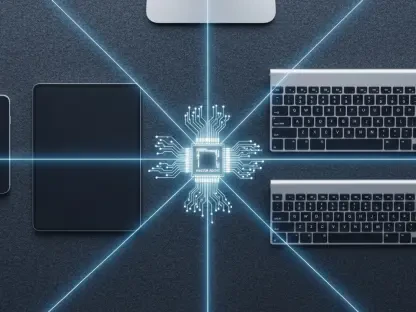

The integration of sophisticated gesture recognition into high-end wearable devices represents a fundamental shift from passive health monitoring to active, invisible control systems that redefine how humans interact with their digital environments. With the recent acquisition of Doublepoint, a specialized AI-driven biometric firm based in Helsinki, Ōura has signaled its intention to move beyond the constraints of heart rate and sleep tracking. This strategic maneuver targets the development of an ambient computing ecosystem where the ring serves as a primary input device for a multitude of external hardwares. By utilizing advanced algorithms that interpret minute muscle movements and vibrations, the company is bridging the gap between physiological data and physical action. This evolution suggests a world where the friction of traditional touchscreens is replaced by subtle hand motions, allowing for a more natural integration of technology into daily life without the constant need for visual engagement or manual input on small screens.
Advancing Interaction Through Biometric Intelligence
The Mechanics: AI and Hand Tracking
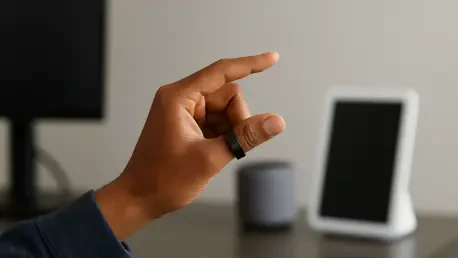
The acquisition of Doublepoint introduces a sophisticated software layer that specializes in detecting minute electrical and physical vibrations through the wrist and hand. This technology utilizes specialized algorithms to interpret these signals, transforming subtle finger pinches or hand rotations into actionable digital commands. Unlike traditional optical sensors that rely on cameras to track movement, this AI-driven approach leverages the existing physiology of the wearer to create a high-fidelity control interface. By focusing on these micro-interactions, the company is effectively turning the human hand into a precision instrument for navigating digital landscapes. This breakthrough allows for a level of accuracy that was previously unattainable in such a small form factor, providing a robust foundation for future software updates. The integration of such high-level biometric recognition ensures that the system can distinguish between intentional gestures and accidental movements, reducing the likelihood of errors.
Building on this technical foundation, the synergy between existing physiological sensors and new gesture recognition software creates a comprehensive profile of user activity. While the ring continues to monitor heart rate variability and oxygen saturation, the added layer of gesture sensing allows the device to understand the context of those physical metrics in real time. For instance, the system might recognize that a sudden spike in heart rate coincides with a specific hand gesture used to control a stressful work presentation. This contextual awareness is the hallmark of the next generation of wearable technology, where the device does not just record data but understands the intent behind human movement. By merging these two streams of information, the company is positioning itself to offer a more holistic view of the user. The result is a device that functions less like a simple tracker and more like an extension of the nervous system, facilitating a deeper connection between the physical and digital worlds.
User Experience: Frictionless Digital Integration
The primary objective of implementing gesture technology is to foster the development of ambient computing, where the user interface becomes nearly invisible. This “human-first” approach aims to minimize the intrusiveness of modern hardware, allowing users to interact with smart home systems, augmented reality glasses, or mobile devices through silent and discreet physical actions. Instead of reaching for a phone or speaking a loud voice command, a user might simply tap their fingers together to dismiss a notification or adjust the volume of a speaker. This level of interaction is particularly valuable in social or professional settings where traditional device usage might be considered rude or disruptive. By prioritizing these quiet interactions, the company is addressing a significant pain point in the wearable market: the constant demand for visual attention. This shift towards frictionless input ensures that technology serves the user without dominating their sensory experience or physical movements.
Furthermore, the integration of physical gestures with other input methods, such as voice commands, creates a highly adaptive environment that caters to diverse user needs. This multi-modal interface allows for a more flexible and personalized experience, where a user can choose the most efficient way to communicate with their devices at any given moment. For example, a complex task might be initiated by a voice command but fine-tuned through precise hand movements. This synergy is expected to produce a new generation of interfaces where digital interactions are faster, more intuitive, and increasingly seamless. The potential for such a system extends into various fields, from healthcare to industrial design, where hands-free control is often a necessity rather than a luxury. By leading the charge in this area, the company is not just adding a feature but is essentially redefining the standard for how wearables should function in an interconnected world where every surface and device can be controlled with a flick of the wrist.
Strategic Growth and Market Positioning
Portfolio Diversification: Beyond Sleep Tracking
This latest transaction represents a significant milestone in a series of aggressive acquisitions, including deals for Sparta Science, Veri, and Proxy, which have collectively expanded the company’s technological footprint. These strategic moves highlight a clear trend of moving beyond the original niche of sleep and recovery tracking toward a comprehensive health and technology ecosystem. Currently valued at approximately $11 billion with over 5.5 million units sold, the organization is utilizing its significant market growth to invest heavily in specialized technical talent and intellectual property. By absorbing these diverse firms, the company has effectively built a multidisciplinary team capable of tackling complex challenges in data science, metabolic health, and digital security. This broad base of expertise allows for the rapid development of features that keep the product competitive in an increasingly crowded market. The focus has clearly shifted from being a single-use tool to a central hub for personal data.
The expansion into gesture technology specifically addresses the need for active engagement, transitioning the brand from a passive monitor to an active environmental controller. While previous acquisitions focused on the depth of health data, such as metabolic tracking or physical performance metrics, the addition of Doublepoint’s team focuses on the breadth of the user’s digital life. This diversification is essential for maintaining a dominant position as competitors begin to integrate similar health sensors into their own hardware. By owning the interface through which users interact with their environments, the company creates a unique value proposition that is difficult for others to replicate. This strategy not only increases user retention but also opens up new revenue streams through partnerships with hardware manufacturers who wish to integrate this gesture control into their own products. The result is a robust and resilient business model that thrives on being the essential link between a person and their smart devices.
Long-term Vision: The Wearable AI Ecosystem
The integration of the Helsinki-based engineering team ensures that the company continues to leverage local expertise while expanding its global influence in the wearable sector. This technical workforce is tasked with embedding the new gesture recognition capabilities directly into the core architecture of the wearable platform, ensuring that the software remains efficient and energy-conscious. As the processing power of these small devices continues to increase, the ability to run complex AI models locally will become a critical differentiator. This move positions the company to lead a major shift in the wearable market, moving away from simple data logging toward active, gesture-based control systems that empower the user. The long-term vision is a wearable AI ecosystem that anticipates user needs based on both physiological state and physical intent. This proactive approach to technology design ensures that the brand remains at the forefront of the industry for years to come, setting a high bar for innovation.
Actionable progress in the coming years will likely involve the release of new developer tools that allow third-party creators to utilize these gesture controls within their own applications. This open-platform approach encouraged a broader adoption of the technology, transforming the wearable from a standalone product into a vital component of the modern digital infrastructure. By providing the necessary framework for others to build upon, the company solidified its role as a pioneer in the ambient computing space. Professionals and developers were urged to consider how these silent, intuitive controls could be applied to specialized fields like surgery or remote engineering. This strategic direction proved that the company was no longer content with simply tracking the past; instead, it successfully pivoted to controlling the immediate digital future through human-centric design. The transition from a biometric tracker to a universal interface was finalized as the technology became a standard for high-fidelity human-computer interaction across various industries.