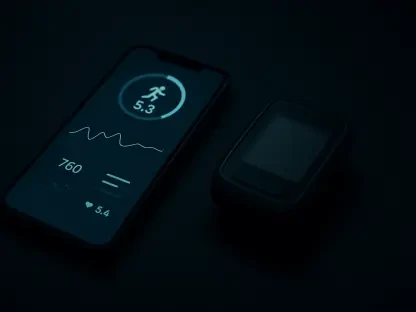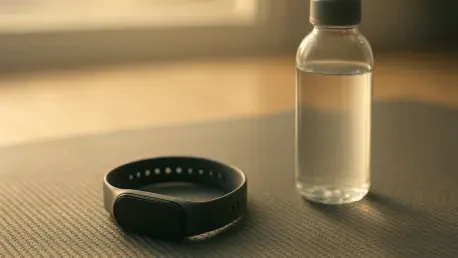

The Fitbit Edge utilizes a single-band GPS system that provides sufficient tracking accuracy for recreational athletes while maintaining the device’s compact and lightweight aesthetic. This specific hardware choice reflects a broader industry movement in 2026, where the initial novelty of wrist-worn computers has given way to a more discerning consumer base suffering from digital overwhelm. For many individuals, the constant barrage of notifications and the sheer physical bulk of high-end “Ultra” smartwatches have become a source of stress rather than a solution for health management. Consequently, the market has reached a critical threshold where the demand for streamlined, purpose-built fitness trackers is surging. The Fitbit Edge arrives at this exact moment, serving as a spiritual successor to the Charge 6 and positioning itself as a sophisticated alternative to the more complex Pixel Watch 5. By focusing on essential physiological data and removing the distractions of a general-purpose app store, this device seeks to restore a sense of balance to personal technology, offering users a path to reclaim their attention while still benefiting from cutting-edge biometric monitoring and activity tracking.
Refining Form: The Shift to AMOLED Displays
The transition to a 1.3-inch AMOLED display represents the most visible evolution in the Fitbit Edge, effectively addressing the primary criticism of earlier minimalist trackers. While its predecessor utilized a smaller, somewhat cramped panel, the Edge expands the visual real estate without compromising the slim profile that long-time users appreciate. This hardware upgrade is not merely an aesthetic choice; it serves a vital functional purpose by allowing for more nuanced data visualization and easier interaction during intense physical activity. In previous iterations, many athletes found that screenless or small-screen devices were prone to inconsistencies, often failing to recognize the start of a workout or making it difficult to check heart rate zones mid-stride. The larger, high-contrast screen on the Edge provides immediate clarity, enabling users to trigger workouts manually and view real-time statistics with a quick glance. This change ensures that high-intensity interval training or long-distance cycling sessions are recorded with high precision, bridging the gap between the discrete nature of a band and the utility of a full-featured smartwatch.
Accompanying this improved display is a refined version of Fitbit OS that mirrors the aesthetic seen on Google’s flagship smartphones, creating a unified and fluid user experience. The interface utilizes a series of intuitive tiles and customizable clock faces that make navigating through health metrics feel effortless rather than a chore. This software alignment is a significant step forward, as it brings a level of responsiveness and visual polish that was previously reserved for much more expensive devices. By integrating this “Pixel-esque” design language, the Edge offers a premium feel that encourages daily engagement with health goals. Furthermore, the device maintains a physical lightness that makes it comfortable enough for 24/7 wear, which is essential for accurate sleep tracking and continuous heart rate monitoring. This design philosophy successfully avoids the “wrist fatigue” caused by heavier stainless steel or titanium watches, proving that a device does not need to be physically imposing to provide a comprehensive and professional-grade look into one’s daily activity levels and overall physiological wellness.
Sophisticated Sensors: Navigating Without a Phone
Beneath its streamlined exterior, the Fitbit Edge houses an impressively dense array of biometric sensors designed to provide a high-resolution map of the user’s health. The inclusion of an altimeter is a particularly welcome addition for hikers and runners, as it allows for the precise tracking of elevation gains that significantly impact caloric burn and cardiovascular strain. Beyond basic movement, the device incorporates advanced electrical sensors capable of taking electrocardiogram readings to monitor for irregular heart rhythms, along with red and infrared sensors for blood-oxygen saturation monitoring. These technical capabilities ensure that the Edge can capture critical data points such as heart rate variability and skin temperature fluctuations, providing a holistic view of the body’s recovery and stress levels. This level of data depth is typically associated with much larger hardware, yet here it is delivered in a package that feels almost weightless, allowing the technology to fade into the background while the insights it generates remain front and center.
The decision to include onboard GPS further emphasizes the device’s role as a standalone fitness tool, catering to those who prefer to exercise without the distraction or weight of a smartphone. While the single-band system may not offer the extreme precision of dual-band GPS found in professional-grade mountaineering watches, it delivers more than enough accuracy for standard outdoor environments like suburban running paths or city parks. This feature allows the Edge to map routes, track distance, and calculate pace independently, granting users a sense of freedom during their outdoor excursions. By decoupling the tracker from the phone for active sessions, Google has addressed a major pain point for minimalist enthusiasts who still want a detailed record of their geographical progress. This autonomy, combined with the comprehensive sensor suite, positions the Edge as a highly specialized instrument for health enthusiasts who prioritize functional independence and data integrity over the bloated feature sets of modern general-purpose wearables.
Intelligent Integration: AI Coaches and Data Management
The software ecosystem surrounding the Fitbit Edge reflects a modern approach to health data, where raw metrics are translated into actionable insights through the Google Health platform. A major advantage of this system is that essential tracking for sleep, steps, and heart health remains accessible to all users without the requirement of a monthly subscription, maintaining a level of transparency that is highly valued in the 2026 tech landscape. However, for those seeking a more analytical relationship with their biometric trends, Google has introduced an optional “Health Premium” tier that leverages advanced artificial intelligence. This AI-powered Health Coach analyzes long-term patterns in sleep quality, activity levels, and physiological stress to offer personalized advice that goes beyond simple data points. Whether recommending a rest day due to low heart rate variability or suggesting a specific type of workout based on recent performance, the AI serves as a digital consultant that helps users navigate the complexities of their own biology.
Despite the sophisticated AI options, the Fitbit Edge remains a powerful and complete tool even for those who choose not to utilize the premium services. This flexibility is a deliberate move to cater to a wide range of users, from data-hungry biohackers to more casual fitness enthusiasts who simply want a reliable record of their progress. However, one strategic omission has sparked significant discussion among the community: the removal of the NFC chip. By excluding the hardware necessary for mobile payments via Google Wallet, the device takes a step back in terms of daily convenience compared to its predecessors. This choice appears to be a calculated trade-off intended to prioritize the device’s thinness and extended battery life, but it highlights the ongoing tension between “doing everything” and “doing a few things perfectly.” For many, the lack of tap-to-pay is a noticeable hurdle that prevents the Edge from being the ultimate all-in-one companion, requiring a return to carrying a wallet or phone for even the simplest post-workout transactions.
Ecosystem Modularism: The Power of Multi-Device Syncing
One of the most compelling reasons to choose the Fitbit Edge lies in its ability to function within a modular wearable ecosystem, a capability that sets Google apart from many of its primary competitors. The platform allows for the simultaneous pairing of multiple trackers to a single account, enabling users to swap hardware based on their specific needs for the day. For instance, a user might prefer the ultra-thin, screenless Fitbit Air for sleeping or formal events where a watch would be obtrusive, while switching to the Fitbit Edge for a morning run or a gym session. This seamless transition ensures that a continuous stream of health data is maintained without the user ever feeling tethered to a single, bulky piece of equipment. This “best tool for the job” approach acknowledges that personal technology should adapt to the user’s lifestyle rather than forcing the user to accommodate the limitations of a single device.
This modular strategy also benefits “hybrid” users who may own a high-end Pixel Watch 5 for its productivity features and professional appearance but find it too heavy or fragile for rigorous training or sleep monitoring. By utilizing the Fitbit Edge as a dedicated secondary device, these users can enjoy the full benefits of a smartwatch during work hours and then transition to a more durable, specialized tracker for their wellness routine. With a battery life that consistently reaches seven days on a single charge, the Edge serves as a reliable anchor in this ecosystem, requiring much less frequent maintenance than its more power-hungry counterparts. This longevity is a cornerstone of the device’s appeal, as it reduces the “charging anxiety” that often contributes to smartwatch fatigue. By offering a high-performance alternative that fits into a broader network of devices, the Edge provides a level of versatility and convenience that feels perfectly aligned with the needs of modern, health-conscious consumers.
Practical Recommendations: Choosing the Right Path to Wellness
The release of the Fitbit Edge marked a significant moment in the evolution of wearable technology, as it successfully demonstrated that a device could be both powerful and unobtrusive. It proved that the industry did not need to continue the trend of ever-increasing complexity to remain relevant; instead, it found success by refining the core elements of health tracking. Consumers who sought a reprieve from the constant connectivity of traditional smartwatches found the Edge to be a refreshing middle ground. The device offered enough functionality to stay informed about physical progress without the mental burden of managing an additional communication hub on the wrist. This shift toward intentional technology allowed users to refocus on their fitness goals, using the data as a guide rather than a distraction. The decision to prioritize a seven-day battery life over power-draining features like NFC or cellular connectivity was ultimately vindicated by the positive reception from those who valued consistency and ease of use.
Moving forward, individuals looking to optimize their personal health journey should consider the benefits of a specialized tracker like the Edge, especially if they have experienced burnout with more complex devices. The actionable next step for most users is to audit their current wearable usage and determine which features are truly essential for their well-being. If the primary goals are monitoring sleep, tracking cardiovascular health, and improving athletic performance, a streamlined device often provides a more focused and rewarding experience. Embracing a modular ecosystem where the tracker is used for its specific strengths can lead to a more sustainable and less stressful relationship with technology. The Fitbit Edge was not just a replacement for an older model; it served as a blueprint for a future where wearables are judged by the quality of the insights they provide rather than the number of apps they can run. By choosing tools that respect the user’s time and attention, it became possible to achieve high-level health monitoring without the weight of smartwatch fatigue.