For many households, the promise of a perfectly organized life often feels just out of reach, buried under a chaotic avalanche of appointments, school events, and extracurricular activities. The traditional paper wall calendar, once the steadfast command center of family logistics, now struggles to keep pace with the dynamic nature of modern schedules, where plans can change in an instant. This gap has created a significant challenge: how to centralize and visualize a family’s commitments in a way that is both accessible to everyone and updated in real-time. Smart calendars have emerged as a potential solution, but they also introduce a critical question of value, particularly when they command a premium price tag. The transition from analog to a dedicated digital hub is not just a technological upgrade; it’s a fundamental shift in how a family communicates and manages its collective time, warranting a close examination of its practical benefits versus its considerable cost.
Solving the Chaos of Family Life
The Pitfalls of Pen and Paper
In an age of constant connectivity, the limitations of a static, analog calendar have become increasingly apparent for busy families. The central flaw lies in its inherent lack of immediacy and accessibility; if an event is not physically transcribed onto the paper at home, it effectively ceases to exist in the family’s shared consciousness. This “out of sight, out of mind” phenomenon is the root cause of countless common scheduling mishaps. A doctor’s appointment confirmed over the phone while running errands, a last-minute change to a sports practice communicated via email, or a notice about a school event sent home in a child’s backpack are all liable to be forgotten before they can be recorded. The consequences of these omissions can range from inconvenient to genuinely costly, leading to missed medical appointments that incur cancellation fees, forgotten extracurricular classes that represent wasted money, and the social embarrassment of a child being the only one unprepared for a special school function. This system places an immense and often untenable mental load on one or two household members to act as the sole keepers of information, a role that is prone to human error in the face of overwhelming daily demands.
The fallout from such an outdated organizational system extends beyond simple logistical failures, often creating a ripple effect of stress and frustration throughout the household. When schedules are not transparent and easily accessible to all family members, it fosters a state of constant uncertainty and reactive crisis management. Parents find themselves perpetually cross-referencing text messages and emails, while children may lack a clear understanding of their daily or weekly routines, leading to confusion and anxiety. This environment undermines the development of time management skills in younger family members and prevents them from taking an active role in their own schedules. Furthermore, the financial repercussions of missed appointments and forfeited activity fees can accumulate, adding a layer of economic strain to the emotional toll of disorganization. The traditional paper calendar, while simple, ultimately proves to be a fragile and inadequate tool for navigating the complex, multi-layered, and rapidly shifting landscape of modern family life, highlighting a clear and pressing need for a more robust, centralized, and dynamic solution that can keep everyone informed and aligned.
A Central Hub for Your Home
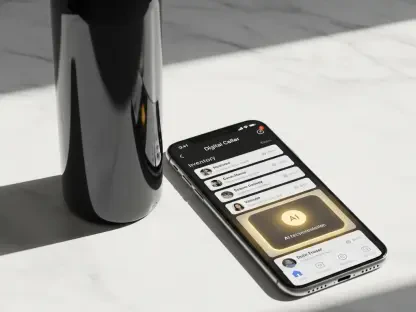
The Skylight Calendar presents itself as a direct and modern answer to the shortcomings of analog systems by establishing a persistent, visual information hub within the home. Physically, the 15-inch model resembles a high-end tablet, featuring a clean design and a custom Android-based operating system tailored specifically for scheduling. Its versatility in placement is a key design element; it can be displayed on a tabletop using its built-in stand or mounted on a wall, where it serves as a direct, high-tech replacement for a paper calendar. This physical presence is its most significant advantage over standard smartphone calendar apps. While a phone is a personal device that spends most of its time in a pocket or a purse, the Skylight Calendar remains on and visible throughout the day. This “always-on” nature ensures that the family’s schedule is not just stored but actively displayed, making it a passive, ambient source of information for everyone in the household. The display is bright and easy to read from a distance, transforming the family schedule from a hidden list of data points into a tangible part of the home environment that everyone can see and reference at a glance.
This concept of a centralized, always-visible display is particularly beneficial in households with multiple children, especially those too young to have their own smartphones. It empowers them to check the day’s activities independently, fostering a sense of responsibility and awareness about their own schedules. The device’s constant presence helps to reinforce routines and manage expectations about upcoming events, from dentist appointments to playdates. While the screen remains active during the day to serve its primary function, its behavior is fully customizable to fit a family’s lifestyle. Users can set a sleep schedule, allowing the display to automatically turn off at a designated time each evening—for instance, at 9 p.m.—and turn back on in the morning. This thoughtful feature ensures the device is functional when needed without creating unnecessary light or distraction during the night. A smaller, 10-inch version is also available, offering the same core functionality in a more compact form factor suitable for different spaces or smaller households, ensuring the concept of a central hub is adaptable to various living situations.
A Closer Look at the Features
Seamless Syncing and Smart Integration
The true utility of the Skylight Calendar is unlocked through its powerful and intuitive connectivity features, which bridge the gap between planning on the go and centralizing information at home. The system’s backbone is its companion smartphone app, available for both iOS and Android. This app allows authorized family members to add or modify events, assign chores, or plan meals from anywhere, with any changes appearing on the home display almost instantly. This real-time synchronization directly addresses the primary failure of the paper calendar; a new appointment can be added to the family schedule while still on the phone with the doctor’s office, or a reminder about a school project can be entered the moment a notification is received. This capability transforms the calendar from a static record into a living, dynamic dashboard of the family’s life. The ability to color-code events for different family members further enhances clarity, making it easy to see at a glance who needs to be where and when. The entire interface is designed for simplicity, ensuring that even less tech-savvy users can contribute to the shared schedule without a steep learning curve.
Beyond its dedicated app, the device excels in its ability to integrate with the broader digital ecosystem that families already use. A particularly innovative feature is the unique Skylight email address assigned to each account. This allows individuals outside the immediate family, such as grandparents, coaches, or colleagues, to send event invitations directly to the calendar via email, where they are automatically parsed and populated onto the schedule. This streamlines the process of coordinating with a wider network without requiring everyone to download the app. Furthermore, the system demonstrates exceptional interoperability by offering two-way synchronization with a comprehensive array of popular digital calendar services, including Google Calendar, Apple Calendar, Outlook, Cozi, and Yahoo. This ensures that users do not have to abandon their existing digital workflows or manually re-enter years of stored information. Instead, the Skylight Calendar can be seamlessly layered on top of their current setup, pulling in existing events and pushing out new ones, ensuring consistency across all platforms and solidifying its role as the ultimate master display for all of a family’s commitments.
The Price of Perfection
While the Skylight Calendar’s core scheduling and synchronization features are included with the purchase of the device, the company also offers an optional premium subscription called Skylight Plus for an annual fee of $39. This paid tier unlocks a suite of enhanced functionalities designed to add value beyond basic organization. One of the most popular Plus features is the ability to transform the calendar into a digital photo frame. When the screen is idle and not displaying the schedule, it can cycle through a curated collection of personal photos, adding a touch of warmth and personalization to the device. The subscription also introduces advanced productivity tools, most notably the capability to import emails or PDF documents. The system can automatically scan these files for relevant details—such as dates, times, and locations—and convert them into calendar events, offering a convenient shortcut for adding complex appointments or travel itineraries. Although these features are undeniably useful and add another layer of functionality, it is important to note that they are not essential for the calendar’s primary mission. The device remains a fully capable and powerful organizational tool without the recurring subscription fee.
The most significant barrier to entry for the Skylight Calendar is not an optional subscription but its substantial upfront cost. The 15-inch model retails for $320, a price point that places it firmly in the category of a premium consumer electronic device. This cost can be a major point of hesitation for many families, who might question whether a digital calendar, no matter how advanced, can justify an investment comparable to that of a high-quality tablet or a budget smartphone. The expense immediately positions the device as a luxury item rather than a household necessity, and it demands that potential buyers weigh its ability to solve organizational challenges against other financial priorities. This financial consideration is often the primary factor in the decision-making process, forcing a careful evaluation of whether the tangible benefits of improved organization and reduced stress are worth the significant initial outlay. For many, this price will be the single greatest drawback, requiring a strong conviction in the product’s value proposition before they are willing to make the purchase.
Is It a Worthwhile Investment?
Overcoming the “Unknown Brand” Hurdle
Beyond the considerable price, another valid concern for potential buyers is the investment in a product from a relatively niche company like Skylight, as opposed to an established tech giant such as Apple or Samsung. In the fast-moving world of consumer electronics, there is an inherent risk associated with purchasing hardware from a smaller, less-known brand. The primary fear is a lack of long-term support; if the company were to cease operations or pivot its business model, customers could be left with an expensive device that no longer receives crucial software updates or cloud support. In a worst-case scenario, the product could become a “bricked” and useless piece of hardware, a high-tech paperweight that serves as a costly reminder of the gamble. This apprehension is a reasonable and significant factor in the purchasing decision, as consumers have become accustomed to the ecosystem stability and long-term product roadmaps offered by major industry players. Investing over $300 in a connected device is not just about its features today, but also about the confidence that it will continue to function and be supported for years to come.
However, extended long-term use of the Skylight Calendar has provided compelling evidence to alleviate some of these concerns. Over a period of more than a year and a half, the company has demonstrated a consistent commitment to its product line and customer base. During this time, it has rolled out several meaningful software updates that have refined the user interface and added new functionalities, signaling an active and ongoing development process. More significantly, the company has also expanded its hardware offerings, including the release of a new, larger model. This type of product line expansion is a strong indicator of a healthy, growing business with a clear vision for the future. While no small company can offer the same ironclad guarantee as a multinational corporation, Skylight’s steady growth and continued investment in its products have served to build confidence in its stability and longevity. This track record suggests that the initial fear of the device becoming obsolete due to a lack of company support has been largely mitigated by a demonstrated pattern of reliability and progress.
The Final Verdict on Value
Ultimately, the evaluation of the Skylight Calendar concluded that, despite its high initial cost and the initial reservations about its manufacturer, the device proved to be a profoundly valuable investment for a family struggling with organization. The product’s core strength was its unique ability to provide a constant, shared, and interactive visual display of the household’s schedule, a function that no other single device or app effectively replicated. It successfully addressed the fundamental “out of sight, out of mind” problem that plagued traditional organizational methods. Its impact was so immediately apparent that even casual observers recognized its utility; in one instance, a houseguest was so impressed after seeing the calendar in action that they purchased one for their own family on the spot. This powerful, real-world endorsement underscored its effectiveness as a central organizational hub. While a minor functional critique remained—a wish for chore chart items to be integrated directly into the main calendar view rather than siloed in a separate section—it did not detract from the overall positive assessment. For those deterred by the price of the 15-inch model, the more affordable 10-inch version, priced at $160, was identified as an excellent alternative for smaller families, couples, or individuals seeking the same benefits on a smaller scale.