
The contemporary landscape of personal technology has been fundamentally reshaped by the emergence of smartwatches that no longer require a constant tether to a mobile handset to justify their existence. These sophisticated wrist-worn computers have successfully transitioned from being luxury novelties to becoming critical infrastructure for managing health, professional productivity, and individual safety in a hyper-connected society. While previous iterations of wearable tech focused primarily on mirroring notifications, the current generation of Android devices operates with a level of autonomy that matches the functional depth of high-end smartphones. This shift is driven by a maturing ecosystem where hardware efficiency and software intelligence have finally converged, creating a market where users across all demographics—from elite marathon runners to university students—view these devices as indispensable tools for daily life. The industry has moved beyond the era of experimental features, focusing instead on a specialized segmentation that ensures every consumer can find a device precisely tuned to their unique physiological needs and lifestyle demands.
The pursuit of “perfect equilibrium” has become the primary design philosophy for major manufacturers throughout the current year, leading to a surge in specialized hardware that rejects the outdated one-size-fits-all approach. Rather than cramming every possible sensor into a single generic chassis, brands are now differentiating through purpose-built architecture, such as ruggedized shells for extreme outdoor exploration or ultra-slim profiles for professional environments. This strategic diversification has allowed for the integration of medical-grade sensors that were once technically unfeasible due to space and power constraints. Consequently, the Android wearable market is no longer a monolithic entity but a vibrant collection of specialized categories that prioritize either extreme battery longevity, clinical-grade health diagnostics, or seamless productivity integration. This maturity in the market reflects a deep understanding of user behavior, acknowledging that the requirements of a high-altitude hiker differ significantly from those of a corporate executive managing a global schedule.
The Rise of Proactive Intelligence and Diagnostic Health
Artificial intelligence has evolved into the central nervous system of the modern wearable experience, with advanced systems like Google Gemini providing a level of context-aware assistance that was previously unimaginable. This transformation has turned the smartwatch into a proactive digital companion that manages complex schedules and anticipates user needs by analyzing intricate patterns in daily behavior and digital habits. Rather than relying on rigid, pre-defined voice commands that often failed in noisy environments, these devices now facilitate natural, fluid interactions that feel more like a conversation than a technical input. For instance, a watch might suggest shifting a morning meeting based on a detected poor night of sleep or automatically initiate a “focus mode” when it senses the user has entered a known workspace. This intelligence layer operates silently in the background, ensuring that the most relevant information is always available at a glance without requiring manual navigation through cluttered menus or small icons.
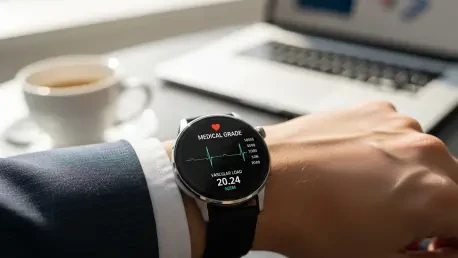
Beyond mere convenience, the current generation of health sensors has moved into the realm of clinical-grade diagnostic data, transforming the watch into a preventative medical tool. Modern wearables are now equipped to monitor sophisticated metrics such as vascular load, skin antioxidant levels, and even pulse-loss detection, providing a comprehensive view of a user’s internal physiological state. These “bio-wearables” do not just record data; they interpret it to identify potential health risks long before physical symptoms manifest, effectively shifting the paradigm from reactive care to proactive wellness management. By utilizing non-invasive optical and electrical sensors, these devices can track arterial stiffness and metabolic health throughout the day, offering insights that were once exclusive to hospital-grade equipment. This continuous monitoring capability allows for the early detection of cardiovascular irregularities or sudden physiological stress, providing users with a safety net that operates around the clock.
A Diverse Landscape of Specialized Hardware
The Google Pixel Watch 4 and the Samsung Galaxy Watch 8 Classic currently serve as the definitive benchmarks for the premium Android wearable segment, each catering to distinct user priorities through specialized engineering. The Pixel Watch 4 has distinguished itself through its profound synergy with the broader Google ecosystem, utilizing FDA-cleared safety features like fall detection and pulse-loss alerts to provide peace of mind for health-conscious individuals. Meanwhile, the Galaxy Watch 8 Classic continues to appeal to those who value traditional horological aesthetics combined with cutting-edge medical insights, such as non-invasive blood analysis and vascular monitoring. Both flagships have successfully addressed the persistent challenge of power management, utilizing high-efficiency chipsets and rapid charging technologies to ensure that the devices remain operational through multiple days of intensive use. This reliability is a cornerstone of the 2026 experience, removing the “battery anxiety” that once hampered the adoption of high-performance Wear OS devices.
While the flagship models capture much of the industry’s attention, the mid-range and specialist sectors have introduced powerful alternatives that prioritize specific performance metrics over general-purpose functionality. The OnePlus Watch 3 has become a standout favorite for users who demand extreme endurance, offering a five-day battery life that significantly outpaces its more expensive competitors while still delivering a full-featured software experience. In contrast, the Garmin Venu 4 remains the preferred choice for the athletic community, providing proprietary training metrics and recovery insights that offer a deeper level of granular detail than standard fitness trackers. These specialist devices demonstrate that the market has matured enough to support a wide variety of “hero features,” allowing consumers to choose a watch based on whether they value week-long battery life, elite-level training data, or a balanced lifestyle suite. This competitive diversity ensures that the Android ecosystem remains resilient and capable of meeting the demands of a highly fragmented user base.
Democratization of Technology and Future Integration
The democratization of high-end technology is perhaps most visible in the budget segment, where devices like the Amazfit Bip 6 have redefined what consumers can expect at accessible price points. Modern affordable wearables now routinely include features that were once considered premium luxuries, such as blood oxygen monitoring, skin temperature sensors, and high-resolution displays. This shift has effectively narrowed the digital divide, ensuring that advanced health tracking and safety features are available to a much broader audience regardless of their financial investment. By optimizing software efficiency and leveraging mature sensor technologies, budget manufacturers are providing a robust “smart” experience that rivals the core functionality of devices costing four times as much. This trend indicates that the baseline for wearable technology has risen significantly, making essential health and connectivity tools a standard expectation rather than a premium upgrade for the modern consumer.
As we look toward the immediate future of this ecosystem, the integration of satellite connectivity and autonomous AI processing suggests that the smartwatch will continue to distance itself from the smartphone. The successful implementation of emergency satellite messaging in mainstream models ensures that safety is no longer dependent on cellular infrastructure, providing a critical lifeline for those in remote locations. Furthermore, the shift toward on-device AI processing means that these watches are becoming faster and more private, handling sensitive health and location data without constantly uploading information to the cloud. To stay ahead in this rapidly evolving environment, users should prioritize devices that offer long-term software support and hardware that supports these emerging safety protocols. Investing in a wearable that balances proactive health diagnostics with robust independent connectivity will ensure that the device remains a relevant and life-enhancing tool as digital and physical environments continue to converge. Over the past few months, the industry proved that the smartwatch is no longer a peripheral, but a primary gateway to the modern world.