
The rapid pace of technological advancement often means that perfectly functional devices are quickly replaced by newer, more feature-rich models, and smartwatches are no exception to this trend. Many households have at least one older smartwatch model, perhaps an early Apple Watch or a first-generation Pixel Watch, now relegated to a desk drawer, collecting dust. However, these seemingly obsolete gadgets are far from useless. They are essentially compact, wrist-mounted computers equipped with impressive hardware, including ample storage, a suite of connectivity options like Wi-Fi and Bluetooth, and sometimes even their own cellular connection. Instead of letting these powerful devices go to waste, a little creativity can unlock a surprising number of practical and innovative uses, giving them a valuable second life and keeping them out of electronic waste streams. Repurposing an old smartwatch is not only an environmentally conscious choice but also a clever way to add convenience to various aspects of daily life without any additional cost.
1. Transform It Into a Dedicated Music Player
An old smartwatch can be brilliantly repurposed as a dedicated, phone-free music player, making it an ideal companion for workouts, runs, or any activity where carrying a bulky smartphone is inconvenient. Most smartwatches come with 8GB to 16GB or more of internal storage, which is more than enough space to download thousands of songs or multiple long-form podcasts. By syncing offline playlists from popular streaming services directly to the watch’s memory, users can enjoy their favorite audio content without needing an internet connection or a paired phone nearby. Simply connect a pair of Bluetooth earbuds directly to the smartwatch, and you have a lightweight, self-contained entertainment system right on your wrist. This setup eliminates the bouncing and jostling of a phone in a pocket, allowing for a more focused and unencumbered exercise experience while still providing the motivational soundtrack needed to push through a tough workout.
This dedicated use case not only streamlines the workout experience but also helps in creating a more focused and distraction-free environment. When a smartphone is brought along for music, it also brings a constant stream of notifications, calls, and the temptation to check social media or emails, which can disrupt the flow of a physical activity. By using a smartwatch solely for music, it becomes a single-purpose device that supports the activity at hand without introducing digital distractions. Furthermore, custom playlists can be curated for specific types of workouts—high-energy tracks for running, calmer tunes for yoga, or informative podcasts for a long walk. These can be downloaded and managed easily, ensuring that the right audio is always ready to go. This simple repurposing transforms the old device from a piece of forgotten tech into a valuable tool for enhancing both fitness routines and mental focus, proving that its utility extends far beyond its original role as a smartphone companion.
2. Repurpose It as a Health Monitoring Tool
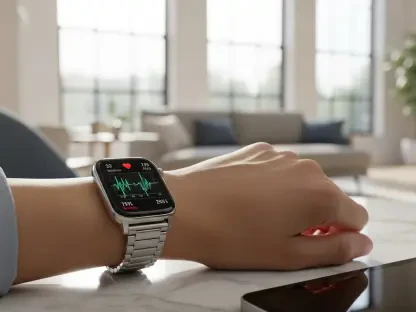
Even older smartwatch models are equipped with a variety of health sensors that remain highly functional and can be repurposed for dedicated health monitoring. These devices can track essential vitals such as pulse rate, blood oxygen levels (SpO2), and in some cases, even perform an electrocardiogram (EKG). While these features do not replace professional medical advice, they can serve as valuable tools for preliminary checks and continuous monitoring for oneself or a family member. For instance, the EKG function on many smartwatches is capable of detecting signs of atrial fibrillation, a common heart rhythm irregularity that often requires medical attention. Similarly, monitoring blood oxygen saturation can be crucial for individuals with respiratory conditions, as a significant drop can indicate the need for an emergency room visit. Having a dedicated device for these quick checks can provide peace of mind and empower individuals to be more proactive about their health without the complexity of a brand-new device.
The utility of an old smartwatch as a health tool extends beyond spot-checks, offering a simple way to monitor ongoing wellness trends for family members who may not be tech-savvy. An older relative could wear the device to track daily activity levels, sleep patterns, or heart rate without needing to manage a connected smartphone. The data can be periodically synced and reviewed by a caregiver, providing insights into their well-being. Furthermore, the ability to periodically check blood pressure with compatible smartwatches can be a lifesaver, as consistently high readings may signal underlying health issues that warrant a doctor’s consultation. By dedicating an old smartwatch to these specific health-related tasks, it becomes a simple, accessible, and non-intrusive way to keep an eye on important health metrics, transforming a forgotten gadget into a potentially vital instrument for personal and familial care. This approach leverages the powerful sensors packed into the device in a focused and highly practical manner.
3. Create a Convenient Smart Home Remote
An old smartwatch can be transformed into a highly efficient and minimalist remote control for a smart home ecosystem, offering unparalleled convenience right from the wrist. Instead of searching for a smartphone, opening an app, or using voice commands that might disturb others, a quick tap on the watch can control lights, adjust the thermostat, lock doors, or activate pre-set scenes. By installing the relevant smart home apps—such as Google Home or Apple Home—on the watch and connecting it to the home Wi-Fi network, the device becomes a dedicated control hub. This is particularly useful for quick, frequent actions, like turning off all the lights from bed or adjusting the temperature without leaving the couch. The tactile, screen-based interface is often faster and more discreet than voice commands, making it an ideal solution for managing a connected home with minimal effort and disruption.
This setup offers a streamlined user experience by dedicating a single device to a specific function, thus reducing the cognitive load of navigating a multipurpose smartphone. An old smartwatch, permanently strapped to a charger in a central location like the living room or kitchen, can serve as a universal remote for the entire family. Its small, wearable form factor also means it can be the perfect personal remote, offering immediate access to smart home controls during activities where carrying a phone is impractical. Imagine adjusting the outdoor lighting while gardening or preheating the oven with a simple tap on your wrist while your hands are full. By stripping the watch of unnecessary apps and notifications and focusing it solely on smart home management, it becomes a powerful, single-purpose tool that enhances the seamless integration of technology into daily life, proving its value long after its primary role has been superseded.
4. Convert It Into a Stylish Bedside Clock
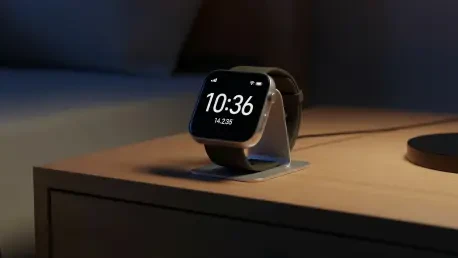
With their bright, clear displays and compact form factors, old smartwatches are perfectly suited for a second life as a sophisticated bedside clock. Many models, such as the Apple Watch, feature a “Nightstand mode” that automatically displays the time, date, and any upcoming alarms in a landscape orientation when the device is charging on its side. This creates a functional and unobtrusive timepiece for a nightstand. For other devices like the Pixel Watch, a similar result can be achieved with a few adjustments in the settings. To enable this, users must first activate Developer Options by navigating to Settings > System > About and tapping the build number seven times. Once enabled, a new “Developer Options” menu will appear in the main settings, where the “Stay Awake When Charging” feature can be turned on. Finally, to ensure the screen remains visible without being overly bright, adaptive brightness should be disabled by swiping down from the watch face, tapping the sun icon, and toggling the setting off.
This conversion not only provides a practical function for an unused device but also helps create a better sleep environment. Using a smartwatch as a bedside clock can reduce the temptation to check a smartphone late at night, a habit associated with sleep disruption due to blue light exposure and the mental stimulation from notifications and content. The old watch, docked on its charger, remains perpetually powered, eliminating any concerns about its aging battery life. It can still be used for setting alarms, which can be configured to be silent and vibration-only for a gentler waking experience. Furthermore, many watch faces can be customized to display additional information like the weather or calendar events, offering a quick, at-a-glance summary of the day ahead upon waking. This simple repurposing transforms the device into a functional and elegant addition to the bedroom, blending utility with modern aesthetics.
A Legacy of Innovation
The journey of an old smartwatch did not have to end in a cluttered drawer. By thinking creatively, these devices were given new purpose, effectively extending their lifespan and utility far beyond their intended replacement cycle. They became dedicated music players for focused workouts, accessible health monitors for family members, and convenient remotes that streamlined smart home management. Some were transformed into elegant bedside clocks, reducing nighttime distractions and promoting better sleep hygiene. The potential held within their compact frames was unlocked through simple software tweaks and a shift in perspective. Instead of being viewed as obsolete technology, they were recognized as powerful, self-contained mini-computers ready for their next assignment. This approach not only offered practical benefits but also represented a more sustainable way of engaging with technology, ensuring that valuable resources and intricate engineering did not go to waste.