
As the technology world continually looks toward the next major innovation, consolidated reports suggest Apple is preparing one of its most ambitious portable computing updates, poised to redefine its MacBook lineup in early 2026. The rumored strategy appears to be a carefully orchestrated, two-pronged approach designed not only to push the boundaries of performance but also to significantly broaden the accessibility of the Mac ecosystem. This impending refresh is expected to center around the introduction of the next-generation M5 family of chips, which promises substantial gains in processing power and, more importantly, a deeper integration of on-device artificial intelligence. Simultaneously, the development of a new, more affordable MacBook model signals a clear intent to capture a larger market share, particularly among students and first-time buyers. This combination of top-tier innovation and strategic market expansion could represent a pivotal moment for Apple’s computer division, setting a new standard for the entire industry.
The Dawn of a New Silicon Era
The centerpiece of this anticipated 2026 refresh is the system-wide integration of the M5 silicon, a move that continues Apple’s impressive cadence of in-house chip development. This next-generation architecture is expected to deliver a significant leap in both CPU and GPU performance, but its most transformative feature will likely be its enhanced Neural Engine, designed to accelerate on-device artificial intelligence and machine learning tasks. For users, this translates directly into a more intelligent and responsive computing experience. Everyday operations like app launches and multitasking are set to become even smoother, while demanding professional workflows, including 4K video rendering, 3D modeling, and complex code compilation, will see dramatic efficiency improvements. By embedding these powerful AI capabilities directly into the hardware, Apple is positioning the M5 not just as a faster processor, but as the foundation for a new generation of smart applications and features that operate securely and efficiently without constant reliance on the cloud.
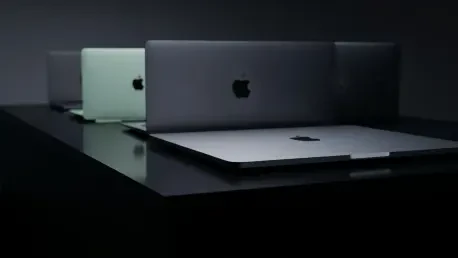
In a notable departure from its more common staggered release schedule, reports indicate that Apple is planning a comprehensive and coordinated update across both its MacBook Air and MacBook Pro families. This synchronized refresh would modernize the entire portable lineup in a single stroke, creating a clear and compelling product hierarchy for consumers. Such a strategy would ensure that the core benefits of the M5 architecture, particularly its advanced AI and machine learning prowess, become the new baseline standard for every MacBook user, regardless of whether they choose an entry-level Air or a high-end Pro model. This unified launch would streamline the company’s offerings, simplify the purchasing decision for customers, and send a powerful message to the market about the universal importance of on-device intelligence. By updating all its portable machines at once, Apple would effectively establish a new technological foundation for the entire Mac platform moving forward.
Redefining Accessibility in the Mac Ecosystem
Perhaps the most significant strategic shift in the 2026 plan is the rumored introduction of a new, more budget-friendly MacBook model designed to lower the barrier to entry into the Apple ecosystem. This device is reportedly aimed at attracting a much wider audience, specifically targeting the education sector, first-time Mac buyers, and users who have been priced out of the current lineup. To achieve a more accessible price point, this model would likely involve some carefully considered design and material trade-offs. Speculation points toward a durable and cost-effective chassis that forgoes the premium aluminum finish of its more expensive siblings, possibly featuring fewer color options or a more utilitarian design. Furthermore, it may incorporate a standard LCD panel rather than a high-resolution Liquid Retina display, helping to manage production costs while still delivering a quality viewing experience. This move would directly challenge competitors in the crowded mid-range laptop market.
Despite its positioning as an entry-level option, this more affordable MacBook is not expected to compromise on the core user experience that defines the platform. Crucially, reports suggest it will be powered by a capable variant of the new M5 chip, ensuring it delivers the fluid performance and advanced AI capabilities synonymous with the next generation of Macs. This would differentiate it from many other budget-friendly laptops that often sacrifice processing power. To further appeal to its target demographic, Apple may also reintroduce a wider array of vibrant or pastel color options, a tactic it has successfully used with other products to foster a sense of personalization and style. By combining a powerful M5 processor with a cost-conscious design and an appealing aesthetic, this new model could become a highly compelling option for millions of potential customers, significantly expanding Apple’s market share in the personal computing space.
A Glimpse into the Future of Personal Computing
The strategy that unfolded in early 2026 was a masterclass in technological evolution and market expansion, marking a definitive chapter in the history of personal computing. The simultaneous launch of the M5-powered MacBook Air and MacBook Pro, alongside an entirely new entry-level model, was a decisive move that reshaped the industry landscape. By embedding powerful on-device artificial intelligence capabilities across its entire portable lineup, Apple successfully democratized access to next-generation computing, making advanced machine learning a standard feature rather than a premium luxury. This two-pronged approach, which pushed the performance ceiling for professionals while concurrently lowering the barrier to entry for new users, created a more inclusive and powerful ecosystem. The decision not only solidified the Mac’s position as a leader in innovation but also set a formidable new benchmark that forced competitors to re-evaluate their own product strategies in the years that followed.