
In the highly competitive arena of wearable fitness technology, where a product’s unique design can be its most valuable asset, the line between inspiration and imitation is becoming an increasingly contentious legal battleground. American fitness technology company Whoop has drawn a firm line in the sand by initiating a significant trademark infringement lawsuit against Nexxbase Technologies, the Indian firm behind the recently unveiled Luna Band fitness tracker. The legal action, which was officially filed in a Delaware federal court on January 22, casts a wide net, naming not only Nexxbase but also its marketing division and associated brand names—Luna, LunaZone, and Noise—as defendants. This move signals a determined effort by Whoop to protect what it considers its signature product identity from being diluted by new market entrants. The lawsuit alleges that the similarities between the two products are so pronounced that they are likely to cause consumer confusion, a claim that sets the stage for a high-stakes confrontation over intellectual property in the rapidly evolving world of personal health monitoring.
Allegations of Infringement
Striking Similarities in Product Design
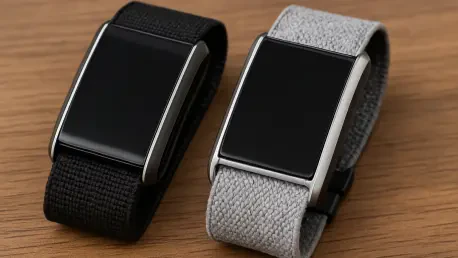
At the heart of Whoop’s legal complaint lies the assertion that the Luna Band’s core design elements are not merely similar but are a direct copy of its own well-established aesthetic. The Luna Band, which garnered international attention during its debut at CES 2026, is a screenless, subscription-free fitness tracker that closely follows Whoop’s minimalist and data-centric formula. The lawsuit meticulously details the specific parallels that Whoop argues constitute a clear infringement of its trade dress. These cited elements include the Luna Band’s distinctive pill-shaped sensor module, the use of a simple fabric strap for securing the device, and a complete absence of buttons on the interface. Whoop contends that this combination of features is not functional but rather a deliberate aesthetic choice that has become synonymous with its brand. By adopting this nearly identical form factor, Nexxbase is accused of attempting to piggyback on the market recognition and premium reputation that Whoop has spent years building, creating a product that could easily be mistaken for a Whoop device by the average consumer.
Echoes in Branding and Marketing
Beyond the physical hardware, Whoop’s lawsuit extends its claims to the branding and marketing strategies employed by Nexxbase for the Luna Band. The legal filing argues that the infringement is not limited to the product’s appearance but also encompasses its overall market positioning and the language used to promote it. Whoop points to the Luna Band’s marketing messages, which heavily emphasize concepts like recovery, strain, and continuous, holistic health monitoring—pillars that have long been central to Whoop’s own brand identity and value proposition. This strategic alignment, the lawsuit suggests, is a calculated effort to tap into the specific consumer mindset that Whoop has cultivated. By echoing these core themes, Nexxbase is accused of further blurring the lines between the two brands, potentially misleading customers into believing the Luna Band offers a comparable experience or is in some way affiliated with Whoop. This aspect of the case highlights the importance of “trade dress,” a legal concept that protects the total image and overall appearance of a product, from its physical shape to its marketing narrative.
Broader Implications and Legal Strategy
Protecting a Market Niche
This legal challenge is not an isolated incident but rather a continuation of Whoop’s proactive and aggressive legal strategy to safeguard its unique design identity in a crowded marketplace. The company is already embroiled in a similar, ongoing legal dispute with Polar over its screenless Loop bands, demonstrating a consistent willingness to defend its trade dress against any perceived encroachment. The emergence of the Luna Band, however, presents a particularly acute commercial threat. By offering a visually analogous product without a recurring subscription fee, Nexxbase is directly targeting a more price-sensitive segment of the market, a move that could significantly disrupt Whoop’s premium, subscription-based business model. Whoop fears that allowing a lower-cost, look-alike competitor to gain a foothold could lead to a severe erosion of its brand value and dilute its hard-won status as the definitive benchmark for minimalist, high-performance fitness wearables. The lawsuit is therefore a crucial defensive maneuver aimed at preserving its unique market position and preventing what it sees as unfair competition.
The Road Ahead
With the lawsuit officially in its preliminary stages, summons having been issued to the defendants, and a formal request for a jury trial on the table, the legal conflict between Whoop and Nexxbase appeared poised for a potentially lengthy and complex standoff. This case delved into the fundamental question of what constitutes a product’s unique visual DNA in the fast-paced and derivative landscape of consumer technology. The outcome of this dispute had the potential to set a significant precedent, influencing how intellectual property and trade dress laws are applied to hardware design in the wearable tech industry and beyond. The court’s decisions would ultimately explore the delicate balance between fostering healthy competition and protecting the innovative designs that allow brands to distinguish themselves. This legal battle underscored the growing importance for tech companies to not only innovate but also to fiercely protect the visual and conceptual identity of their creations from imitation in an increasingly globalized market.