
Whispers inside Apple’s labs hint at a quiet upheaval as John Ternus readies a device-first AI play that could reshape how every pocket, wrist, and room experiences intelligence. The longtime hardware chief, credited with guiding AirPods, Apple Watch, and Vision Pro, now stands on the verge of steering the entire company, and the question is no longer whether Apple will lean into AI, but how deeply it will fuse intelligence into the devices people already carry.
The Stakes: Why This Story Matters
Apple’s center of gravity had shifted under Tim Cook, who scaled services into a profit engine while lifting the company to a multitrillion-dollar market cap. With Ternus rising, the signal changes: design and silicon again sit at the core, with AI as an ingredient rather than a destination. That difference could shape the products consumers buy, the platforms developers target, and the bets investors reward.
The consequences extend beyond branding. On-device AI promises faster, private interactions that do not wait on the cloud. If Apple can make intelligence feel native—responding instantly in the ear, on the wrist, or across a room—then the next wave of computing may look less like chatbots and more like ambient help that simply works.
Inside the Shift: Hardware First, AI Everywhere
People close to the company describe a refrain: “Usefulness beats parameter counts.” That ethos points to Siri as the unifying layer, with inference anchored on Apple silicon and the iPhone providing extra compute and connectivity for wearables. Early concepts in testing reportedly include smart glasses, a camera pendant for hands-free capture, and AirPods that surface context-aware prompts without pulling out a phone.
A renewed appetite for long-delayed categories is also emerging. A foldable iPhone, held back until durability, crease quality, and battery life met internal bars, now looks positioned for a marquee launch. The move would not chase novelty; it would benchmark what a foldable should be once it behaves like any other iPhone—reliable, power-efficient, and invisible in use.
Pressure From The Real World
Operational headwinds set the pace. Memory chip constraints and advanced packaging capacity remain tight, forcing careful feature trade-offs and staggered rollouts. At the same time, tariff uncertainty and a complex relationship with China push ongoing diversification; roughly a quarter of iPhones are now assembled in India, with Southeast Asia production lines ramping behind them.
These constraints shape roadmaps as much as inspiration does. When compute at the edge is the strategy, battery chemistry, thermal envelopes, and sensor reliability become the gating factors. Ternus’s track record—miniaturization, battery gains, and meticulous part integration—suggests he knows where the bottlenecks live and how to grind them down.
Beyond Phones: Ambient, Wearable, and Robotic Bets
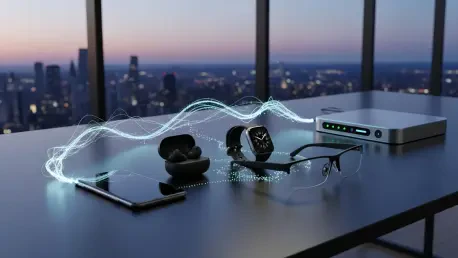
Wearables provide the clearest template. AirPods already act as a discreet interface; adding low-power AI to filter noise, translate on the fly, or summarize alerts would extend their role. Apple Watch, with health sensors and quick-glance interactions, becomes the wrist node, while glasses—if readiness is reached—could layer navigation, messaging, and capture without the weight of a full computer.
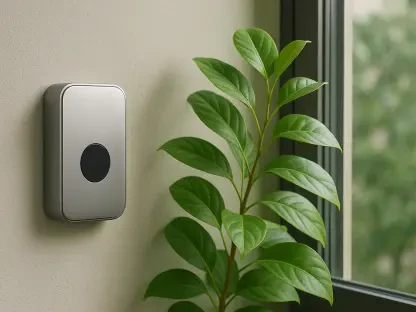
Home robotics sits on a longer horizon but not an imaginary one. Prototypes described by people familiar with the work include a tabletop assistant that turns toward users and mobile robots that follow a person or serve as roaming FaceTime screens. Humanoid ideas exist but remain distant; the near-term emphasis favors practical motion, safety, and clear utility rather than spectacle.
Reading The Signals: What To Watch Next
Expect Siri upgrades tied to on-device inference and richer personal context. Accessory roadmaps may hint at the plan first: AirPods with new sensors, smarter noise models, and tighter handoffs to iPhone compute. Supplier chatter around foldables and glasses will surface early tells; so will manufacturing disclosures that show India and Southeast Asia gaining share.
For developers, the opportunity sits in low-latency, context-aware experiences that assume iPhone proximity. For creators, the canvas stretches from pocket to ear, wrist, and room—one experience choreographed across nodes. For consumers, the smart bet remains devices that promise private, durable utility over flashy demos.
Apple’s path had pointed to a device-centric future where AI disappeared into everyday gear, where readiness outranked speed, and where operations constrained ambition just enough to make the magic ship on time. The next chapter asked for discipline: keep intelligence local when it matters, pair wearables with iPhone for headroom, push foldables only when standards are met, and explore robotics with patience. Those steps would have set the tone for an AI-first hardware age written in silicon, sensors, and the quiet confidence of things that simply worked.