
In a move that sent reverberations through the tech industry, a late 2025 demonstration dramatically altered the trajectory of smart glasses, transforming them from niche gadgets into the potential next frontier of personal computing. The announcement on December 18, 2025, showcased a new Android XR platform and a Project Aura reference headset, a collaborative effort with hardware manufacturer XREAL. This event marked a significant inflection point, signaling a deliberate shift away from wearables that merely served as secondary notification screens toward a new paradigm of sophisticated, AI-first personal assistants. The core of this strategic pivot lies not just in the hardware but in the profound integration of on-device artificial intelligence features directly into the Android XR software, combined with a more cohesive approach to hardware partnerships. This strategy presents a much clearer and more streamlined path to production for manufacturers, effectively lowering the barrier to entry and accelerating innovation across the sector. The implications of this unveiling are far-reaching, promising to condense the timeline for the arrival of truly viable and powerful consumer smart glasses from years into mere months.
A Technological Leap Forward
Software and Hardware Synergy
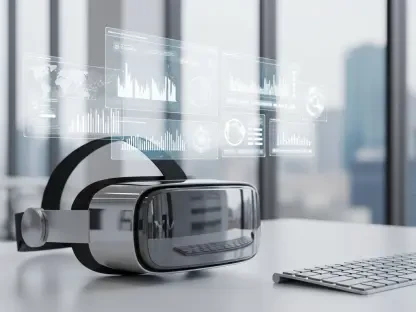
The foundation of this industry-shaking initiative is the deep architectural integration of on-device AI within the Android XR operating system, a move designed to create a seamless and responsive user experience previously unattainable in the wearables space. By embedding AI runtimes directly into the platform, developers gain unprecedented access to powerful machine learning capabilities that operate locally on the device, minimizing reliance on cloud connectivity and drastically reducing latency. This approach enables a new class of applications that can intelligently interpret a user’s surroundings and intentions in real time. The Project Aura reference headset, developed in partnership with XREAL, serves as the physical embodiment of this software philosophy. It is not merely a proof of concept but a robust blueprint for other hardware manufacturers to follow. This model provides original equipment manufacturers with a validated and optimized hardware-software stack, effectively eliminating much of the guesswork and R&D overhead that has historically plagued the fragmented smart glass market.
This synergistic approach fosters a more stable and predictable development environment, which is crucial for attracting a critical mass of third-party application developers. Previously, creators had to contend with a fractured ecosystem of disparate hardware specifications and proprietary operating systems, making it difficult to justify the investment in building compelling augmented reality experiences. With a standardized platform powered by Android XR, developers can now target a unified ecosystem, confident that their applications will perform consistently across a range of certified devices. The reference design also sets a high bar for performance metrics, including display quality, sensor accuracy, and power efficiency. By providing a clear and achievable target, the platform encourages healthy competition among hardware partners to innovate and differentiate their products based on design, ergonomics, and supplementary features, rather than struggling to solve the fundamental challenges of software integration and core functionality, thereby accelerating the entire market’s maturation.
Accelerating the Industry Timeline
The timing of the late-December reveal was a masterstroke of strategic planning, designed to directly influence and disrupt established industry cycles. By unveiling the Android XR platform and its hardware reference just before the new year, the announcement forced hardware and chip partners to immediately reconsider their 2026 roadmaps and CES showcases. This created a powerful sense of urgency, compelling companies across the supply chain to align with the new platform or risk being left behind. As a direct consequence, development and certification windows, which typically span many months or even years, are expected to shorten significantly. This acceleration is already pushing advanced product previews and retail pilot programs into the first half of 2026, a timeline that seemed wildly optimistic just a few months prior. The immediate availability of Android XR previews and dedicated AI runtimes for developers has further fueled this momentum, allowing the software ecosystem to begin building and optimizing applications in parallel with the hardware development cycle.
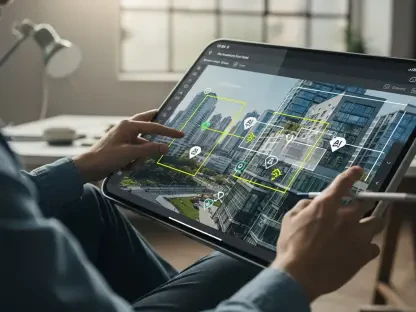
The practical impact of these advancements was made clear through a series of compelling hands-on demonstrations that showcased tangible leaps in user interface and experience design. The demos highlighted remarkably stable AR overlays that remained locked in place even with rapid head movement, coupled with highly responsive gaze tracking that allowed for intuitive, hands-free navigation. The platform’s claimed latency of under 50 milliseconds was a key performance indicator that resonated strongly with industry observers, as it crosses a critical threshold for eliminating the motion sickness and disorientation that have hampered previous AR devices. This evidence of a polished and high-performance user experience has already begun to sway key decision-makers. Reports indicate that the impressive stability and responsiveness shown in the demos were a deciding factor for numerous enterprise buyers, who are now reportedly fast-tracking plans to schedule pilot programs for their workforces in the early months of the year, signaling strong commercial confidence in the platform’s readiness.
Industry Ramifications and the Path Ahead
A Divided Reception
The industry’s reaction to the Android XR platform has been multifaceted, reflecting both enthusiasm for its technical achievements and apprehension about its broader implications. Among engineers and hardware firms, the response has been overwhelmingly positive. Many have praised the tight integration between software and hardware, which promises to solve long-standing challenges related to performance optimization and power management in wearable devices. The clarity of the partnership model, centered around the Project Aura reference design, provides a clear and accessible roadmap for manufacturers looking to enter or expand their presence in the smart glass market. This standardized approach is seen as a crucial step toward creating a cohesive ecosystem, much like the one that propelled Android to dominance in the smartphone sector. This newfound clarity is expected to spur a wave of investment and innovation, as companies can now build upon a stable and powerful foundation rather than starting from scratch.
In stark contrast to the technical community’s optimism, privacy advocates and digital rights groups have raised significant concerns about the platform’s heavy reliance on on-device AI and the potential for extensive data collection. The very features that make the smart glasses so powerful—their ability to see, hear, and interpret the user’s environment in real-time—also make them potent surveillance tools. Concerns center on the nature and volume of the telemetry data that will be collected to train and refine the AI models. Questions linger about who will have access to this deeply personal information and how it will be used. The prospect of a device that is perpetually aware of its surroundings creates unprecedented privacy challenges, from the risk of unauthorized access to a user’s visual field to the ethical dilemmas of recording non-consenting individuals in public spaces. These issues present a formidable hurdle for public acceptance and will likely trigger intense debate and calls for robust regulatory oversight as the technology moves closer to mainstream adoption.
The Inescapable AI Imperative
The launch of the advanced Android XR platform effectively drew a line in the sand for the entire wearables industry. It became clear that the future of the market would be defined not by incremental hardware improvements but by the sophistication of the integrated AI. This strategic maneuver forced every company in the space, from fledgling startups to established tech giants, to critically re-evaluate its product roadmaps and long-term vision. The event shifted the competitive landscape, establishing a new baseline where a powerful, on-device AI assistant was no longer a luxury feature but a core requirement for a viable smart glass product. Developers were presented with a pivotal choice: commit resources to optimizing for the burgeoning Android XR ecosystem and its dedicated AI runtimes, or continue to navigate a fragmented market with uncertain long-term prospects. For many, the decision was clear, as the new platform offered a direct path to a larger, more unified user base. The demonstration ultimately accelerated a future where the immense convenience offered by an always-on, contextually aware AI assistant was inextricably linked with profound questions about personal privacy and data security, a trade-off that defined the next chapter of consumer technology.