
The digital entertainment landscape has shifted dramatically as the rigid walls that once separated mobile handhelds from powerful desktop rigs continue to crumble under the weight of consumer demand for flexibility. Google Play is currently spearheading this transformation by implementing a comprehensive “user-revolving” strategy designed to place the individual player at the center of a unified ecosystem. Internal metrics reveal that approximately 160 million gamers now engage with the “You” tab every month to monitor their cross-platform activity, signaling a massive departure from traditional app store models. By prioritizing high discoverability and cross-platform mastery, the platform ensures that hardware limitations no longer dictate where or how a player enjoys their favorite titles. This initiative seeks to harmonize the Windows PC experience with the portability of Android, creating a seamless environment where the transition between devices feels natural rather than forced or technically cumbersome.
Expanding Content Horizons and Synchronizing Player Progress
While free-to-play titles have historically served as the backbone of the mobile marketplace, there is a burgeoning demand for high-quality, premium indie experiences that offer depth and narrative complexity. To address this evolving appetite, the catalog is being aggressively expanded to include anticipated titles such as Moonlight Peaks and Low-Budget Repairs, moving beyond the microtransaction-heavy models of the past. This diversification is not merely about volume but about the strategic integration of the Gamer Profile, which serves as a digital passport across different hardware environments. By tethering achievements, save files, and specific in-game milestones to a single cloud-based identity, the platform effectively eliminates the friction of switching platforms mid-session. A player can initiate a complex quest on their smartphone during a morning commute and resume the exact same encounter on a high-definition monitor at home without losing a single second of progress or needing to manually transfer local data.
This focus on persistence creates a psychological sense of continuity that encourages longer-term engagement with individual titles regardless of the specific device being used at any given moment. The technical infrastructure supporting this synchronization relies on robust backend updates that prioritize low-latency data mirroring, ensuring that even the most minute changes in a player’s inventory or level progression are reflected instantly. Furthermore, the inclusion of premium indie games targets an enthusiast demographic that typically prefers the control schemes and visual fidelity associated with desktop gaming while still valuing mobile accessibility. By bridging these two worlds, the platform fosters a more inclusive environment where developers can reach a wider audience without compromising the integrity of their game design. This strategic shift suggests that the era of platform-exclusive progress is ending, replaced by a model where the software environment adapts to the user’s lifestyle and hardware preferences in real-time.
Optimizing Discovery and Curation for the Desktop Environment
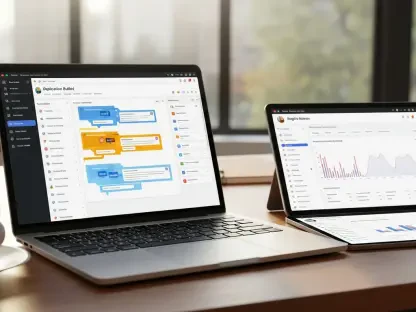
Navigating a digital storefront on a twenty-seven-inch monitor requires a fundamentally different user interface than browsing on a six-inch touchscreen, a reality that has prompted a complete redesign of the PC-centric experience. A dedicated section within the games tab now serves as a curated home for titles specifically optimized for Windows, featuring larger assets, detailed technical specifications, and desktop-specific trailers. This specialized storefront addresses the long-standing “discovery problem” where high-quality PC ports were often buried beneath a sea of mobile-only applications. By highlighting games that leverage the superior processing power and input precision of a keyboard and mouse, the platform provides a more relevant shopping journey for desktop enthusiasts. This curated approach ensures that users are presented with content that matches their current hardware capabilities, reducing the likelihood of purchasing titles that are poorly suited for a non-touch environment.
Beyond mere visual adjustments, the commerce model has been refined through enhanced wishlist functionality that acts as a proactive assistant for the modern consumer. Players can now track specific titles across platforms and receive automated alerts regarding price drops, seasonal sales, or the availability of new downloadable content tailored to their preferences. This utility-driven approach transforms the storefront from a static repository into a dynamic marketplace that understands the financial habits and interests of its user base. Moreover, the integration of these features across both mobile and PC versions of the store ensures that a sale discovered on a phone can be immediately acted upon, with the game automatically appearing in the desktop library. This level of synchronization simplifies the purchasing process and encourages users to build more diverse libraries, knowing that their investments are protected and accessible across their entire device ecosystem without requiring repetitive manual searches or navigation.
Reducing Financial Friction with Game Trials and Unified Licensing
One of the most significant barriers to the adoption of premium games has been the inherent risk of paying an upfront cost for a title that might not meet a player’s personal expectations or technical requirements. The introduction of Game Trials directly tackles this issue by allowing users to immerse themselves in the full version of a paid title for a limited duration at no initial expense. Unlike traditional demos that often feature truncated content or separate builds, these trials provide the authentic experience of the complete game, ensuring that players can accurately gauge the quality and performance on their specific hardware. If a player decides to finalize the purchase after the trial period ends, all progress, unlocked items, and achievements carry over seamlessly to the full license. This “try before you buy” philosophy significantly lowers the barrier to entry for independent developers and premium publishers alike, fostering a marketplace built on transparency and consumer confidence rather than speculative spending.
Complementing the trial system is the “Buy Once, Play Anywhere” pricing model, which represents a bold departure from industry standards that often require separate purchases for mobile and desktop versions. By bundling these licenses into a single transaction for titles like the Reigns series and Dungeon Clawler, the platform provides a much higher perceived value for every dollar spent. This initiative recognizes that in a cross-platform world, charging a customer twice for the same piece of software is an outdated practice that hinders ecosystem growth. Instead, this unified licensing encourages players to explore the strengths of each platform, utilizing the PC for graphically intensive sessions and the mobile device for quick play on the go. This economic innovation not only benefits the consumer but also provides developers with a more stable and loyal user base that is more likely to engage with their full portfolio. This shift towards value-driven commerce is essential for competing in a market where platform loyalty is increasingly tied to flexibility.
Integrating Artificial Intelligence and Social Proof for Player Mastery
As gaming experiences become more complex, the need for integrated support and social interaction has grown, leading to the deployment of Community Posts and sophisticated AI assistance tools. These community-driven spaces allow players to exchange strategies, share tips, and offer peer-to-peer support directly within the application interface, creating a localized knowledge hub for dozens of major titles. This localized approach ensures that players can find relevant information without having to navigate away from the platform to external websites or forums, which often breaks the immersion of the gaming session. By hosting these discussions natively, the ecosystem becomes more “sticky,” encouraging users to spend more time interacting with the community and the games themselves. The availability of these posts in multiple languages further expands the reach of this social layer, ensuring that a global audience can benefit from the collective wisdom of two billion active gamers who are navigating similar challenges within their favorite virtual worlds.
The most technologically advanced addition to this suite of tools was the Play Games Sidekick, an AI-powered overlay that provided real-time, context-aware assistance during active gameplay. This feature functioned as a curated information layer, offering intelligent tips that adapted to a player’s specific situation, such as a difficult boss fight or a complex puzzle, without requiring them to exit the application. This minimized frustration and directly enhanced player retention by providing the necessary help at the exact moment of need. Looking back at the implementation of these strategies, the move toward a platform-agnostic destination appeared as a logical response to the evolving habits of a global audience. The combination of premium content expansion, risk-free trials, and AI-driven mastery successfully redefined the relationship between the player and the storefront. Stakeholders in the industry viewed these advancements as a foundational shift that prioritized user experience over hardware constraints. Ultimately, these initiatives ensured that the gaming journey remained continuous, supported, and accessible for everyone.