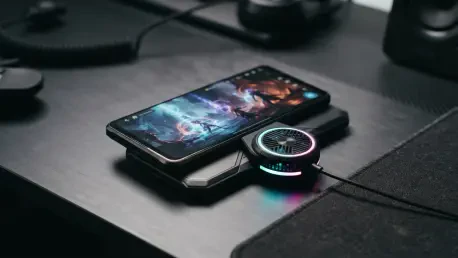

The inclusion of a magnetic cooler provides a measurable performance boost, creating a delta of 70,000 points in benchmark scores compared to uncooled operation. This technical achievement marks a significant evolution for Infinix as it transitions from its origins in the entry-level market to a serious contender in the high-stakes world of premium mobile gaming. By pricing the device at ₹64,999, the manufacturer is signaling a departure from budget constraints, opting instead to deliver a specialized ecosystem that prioritizes sustained peak performance over mass-market appeal. This strategy moves beyond the standard practice of selling a smartphone as a standalone unit; instead, the hardware is part of a comprehensive package that includes advanced cooling attachments and tactile controllers. Such a move acknowledges the growing demand for mobile devices that can handle heavy computational loads without the thermal degradation often seen in traditional flagships. The approach reflects a calculated risk to capture a niche but high-value segment of the market where users demand both raw power and long-term durability. By centering the user experience on the concept of a gaming station rather than just a phone, the brand aims to redefine expectations for what a mid-to-high-tier investment should yield in terms of performance and versatility. This shift reflects a broader trend where mobile hardware is increasingly expected to serve as a primary computing and entertainment device for a generation of users who value mobility without compromising on speed or capability.
Cutting-Edge Visuals: Competitive Responsiveness
Display Quality and Gaming Speed
The heart of the interface is a 6.78-inch 1.5K AMOLED panel that serves as a canvas for high-fidelity graphics while maintaining a strict focus on power efficiency. A resolution of 1.5K provides a noticeable jump in clarity over standard 1080p screens without incurring the massive battery drain associated with full 4K panels, representing a sweet spot for modern mobile titles. The primary highlight for competitive players is the 144Hz refresh rate, which translates to a high level of fluidity during fast-paced movements and navigation. However, the true technical marvel lies in the industry-leading 2,800Hz instant touch sampling rate. This specification is designed to bridge the gap between human reaction and digital response, ensuring that inputs in high-stakes environments, such as first-person shooters or competitive battle royale games, are registered with minimal latency. Such responsiveness is essential when dealing with frame-perfect maneuvers, providing a competitive edge that is often missing from more generic flagship devices. By prioritizing the relationship between the refresh rate and touch input speed, the hardware ensures that the user is never fighting against the device’s own internal processing delays during critical moments of play. This focus on tactile precision ensures that the screen is not just a viewing window, but a highly sensitive input tool tailored for professional-level interaction.
Multimedia Experience and Outdoor Visibility
Beyond its technical prowess in competitive scenarios, the display is engineered to offer a premium visual experience for general media consumption and outdoor usage. The screen covers 100% of the DCI-P3 color gamut, ensuring that colors are reproduced with cinematic accuracy and depth, which is particularly beneficial for high-definition video streaming. Furthermore, the peak brightness of 4,500 nits addresses a common pain point for mobile gamers who frequently use their devices in brightly lit environments or under direct sunlight. This level of luminosity ensures that the interface remains perfectly legible and vibrant, regardless of external lighting conditions, preventing the washed-out appearance common in lower-tier displays. The visual experience is complemented by a sophisticated audio setup featuring dual stereo speakers tuned with Dolby Atmos technology. This integration creates a wider soundstage and better spatial awareness, allowing users to locate in-game sounds or enjoy an immersive movie experience without the immediate need for headphones. The combination of high-peak brightness, accurate color reproduction, and spatial audio positions the device as a versatile entertainment hub that excels far beyond the constraints of a traditional gaming-centric handset. This holistic approach to sensory output ensures that every interaction, whether a high-stakes match or a casual cinematic viewing, is delivered with the highest possible fidelity.
Performance Dynamics: Raw Power and Thermal Stability
Processor Benchmarks and Real-World Speed
The internal architecture is anchored by the MediaTek Dimensity 8400 Ultimate chipset, a component that represents a peak in efficient, high-performance mobile computing. Paired with 12GB of LPDDR5X RAM, this configuration allows the device to manage multiple demanding processes simultaneously without signs of stutter or lag. In practical application, this hardware translates to a seamless experience when running titles such as Call of Duty: Mobile or BGMI at their highest possible settings, where the system consistently maintains frame rates that take full advantage of the high-refresh-rate screen. Data management is handled by UFS 4.1 storage, which significantly reduces the time required for application launches and large file transfers, a critical factor for modern games that often exceed several gigabytes in size. Benchmarking scores further validate this setup, placing the device in direct competition with the most expensive models from more established brands. The choice of the Dimensity 8400 Ultimate chipset also highlights a commitment to balancing raw speed with modern connectivity standards, ensuring that the handset remains compatible with the fastest cellular networks and wireless protocols currently available in the mid-decades of the century. This processing power is not just about hitting peak numbers in a lab, but about providing a consistent and smooth experience during the most demanding real-world usage scenarios.
Advanced Cooling and Sustained Power
High-performance gaming typically results in significant heat generation, which can lead to thermal throttling and a subsequent drop in frame rates. To mitigate this, the device employs the HydroFlow liquid-cooling system, a sophisticated internal thermal solution visible through a transparent rear window. This system is designed to dissipate heat away from the core components efficiently, allowing the processor to maintain higher clock speeds for longer durations than standard cooling designs. During rigorous stress tests, the phone demonstrated a stability rating of over 85%, indicating that performance remains consistent even as the device reaches its thermal ceiling. This internal solution is further augmented by the external MagCharge cooler, which attaches magnetically to the rear panel to provide active refrigeration. The synergy between the internal liquid cooling and the external active fan ensures that the device remains comfortable to hold and performant during marathon sessions. Furthermore, the inclusion of bypass charging technology allows users to power the internal hardware directly from a cable without going through the battery. This prevents the additional heat generated by charging cycles and preserves the chemical health of the battery cells over time, representing a thoughtful approach to long-term hardware reliability and sustained user enjoyment during extended play.
The Modular Ecosystem: Peripheral Integration and Utility
Specialized Peripherals and Cloud Gaming
The strategy of including specialized peripherals out of the box serves to differentiate this device from competitors who often relegate such tools to optional, expensive add-ons. A Bluetooth D-pad controller is included to offer a level of tactile precision that touchscreens cannot replicate, allowing for a more console-like experience when playing action or platform games. This hardware integration extends to the home environment through a dedicated docking station, which facilitates a connection to larger screens. Through a strategic partnership with Jio Cloud Gaming, the smartphone can effectively transform into a micro-console, streaming high-end titles that would traditionally require a dedicated PC or gaming box. To support this high-bandwidth activity, the device is equipped with an N1 networking chip specifically designed to stabilize connections and minimize the latency often associated with cloud services. This multi-layered approach to hardware functionality ensures that the device is not just a handheld phone, but the center of a modular gaming environment. By providing the tools necessary for both portable and stationary play, the ecosystem caters to a diverse range of gaming habits, making it a highly flexible choice for enthusiasts who value variety in their digital interactions and desire a multi-faceted entertainment system.
Camera Reliability and Daily Utility
While the primary focus is undeniably on performance, the camera system is designed to handle the daily photography needs of a typical user with competence and clarity. The 50MP main sensor features Optical Image Stabilization, which is critical for reducing the blur caused by hand movements, particularly in lower lighting conditions or during quick snapshots. Photos produced in daylight show a high level of detail and accurate color reproduction, making the device reliable for social media sharing and personal documentation. The supporting lenses, including an 8MP ultra-wide and a 13MP front-facing camera, provide the necessary versatility for group shots and video calls, though they are clearly secondary to the main sensor in terms of dynamic range and fine detail. For video enthusiasts, the device supports 4K recording at 60fps, offering a sharp and fluid output for capturing moving memories. While the electronic stabilization for video is functional, it lacks the specialized polish found in dedicated camera-centric flagship phones, suggesting that while the device is capable of high-quality recording, it is intended to be a secondary feature rather than a primary selling point. This balanced approach ensures that the phone remains a practical daily driver for photography without unnecessarily inflating the cost through redundant premium sensors that might go unused by the target demographic.
Software and Power: Longevity and Charging Innovation
XOS 16 and AI-Driven Features
Software plays a pivotal role in shaping the user experience, and XOS 16, built upon the Android 16 platform, introduces several optimizations tailored for a gaming audience. The inclusion of a dedicated Esports Mode provides a centralized hub for managing gaming tools, network priority, and system resources, allowing users to maximize performance with a single tap. Beyond gaming, the software suite incorporates several AI-driven productivity enhancements that extend the phone’s utility into professional and academic spheres. Tools such as FlashMemo allow for rapid note-taking, while AI-assisted document scanning and gallery management provide efficient ways to handle data and imagery. Infinix has also committed to a long-term support cycle, promising three major operating system updates and five years of security patches, which is a significant improvement in longevity for the brand. However, the user interface remains distinctively bold, featuring numerous animations and pre-installed features that reflect its aggressive aesthetic. While some users might find the interface slightly cluttered compared to more minimalist versions of Android, the high degree of customizability ensures that it can be tailored to individual preferences, provided the user spends time exploring the extensive menu options and settings available within the system to create a more streamlined experience.
Battery Endurance and Smart Charging
To support the high energy demands of a 144Hz screen and a high-performance chipset, the device is equipped with a substantial 6,500mAh battery. This capacity is notably larger than many of its contemporaries, providing the endurance necessary to last through a full day of mixed use, including several hours of intensive gaming sessions. Charging the device is handled through a versatile system that supports 45W wired and 30W wireless connections, ensuring that downtime is minimized. A particularly innovative feature is the bypass charging mode, which allows the phone to pull electricity directly to the internal components rather than routing it through the battery. This is a crucial addition for power users, as it drastically reduces the heat buildup that normally occurs when a phone is both charging and running a heavy application simultaneously. By bypassing the battery, the system not only stays cooler but also protects the long-term chemical health of the power cells, potentially extending the total lifespan of the device from 2026 to 2030 and beyond. This combination of a large physical capacity and intelligent power management software creates a reliable foundation for users who cannot afford to be tethered to a wall outlet throughout the day, emphasizing the device’s role as a truly portable power station.
Future Considerations: Performance Longevity and Final Outcomes
The introduction of the GT 50 Pro into the market shifted the conversation regarding what a specialized manufacturer could achieve when given the freedom to innovate within a premium price bracket. This device successfully bridged the gap between pure gaming enthusiasts and those seeking a reliable, high-capacity daily smartphone. The integration of advanced cooling and a modular peripheral system established a new benchmark for bundled value, demonstrating that consumers were willing to invest in a comprehensive ecosystem rather than just a standalone handset. While the camera and software experience showed that there were still areas for refinement, the raw power and thermal stability of the hardware provided a compelling argument for its dominance in the performance sector. Looking ahead, the focus on bypass charging and long-term security support suggested a future where gaming phones are no longer considered disposable novelties, but rather durable investments. Users who prioritized competitive speed and versatility found a device that could transition from a handheld to a docked console with minimal friction. The success of this model likely paved the way for further refinements in liquid-cooling technology and more streamlined user interfaces in subsequent generations. Ultimately, the decision to prioritize sustained performance over superficial trends proved to be a sound strategy that resonated with a technically demanding audience and forced established competitors to reevaluate their own value propositions in the gaming segment.