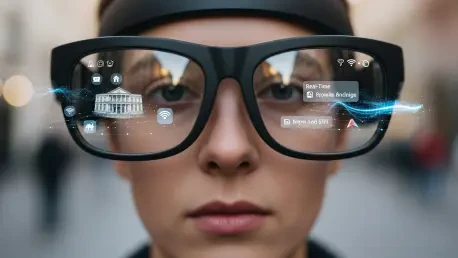

The vision of a fully immersive digital existence once dominated the strategic roadmaps of Silicon Valley, yet a single comment about teleporting around the metaverse has recently acted as a catalyst for a massive industry-wide course correction. While the initial promise of a persistent virtual world captivated investors for years, the actual market response in early 2026 has signaled a decisive shift toward more grounded and immediate technological solutions. This transition was accelerated by a growing skepticism regarding the long-term feasibility of total virtual reality immersion compared to the tangible utility of augmented reality and artificial intelligence. Major technology firms are now reallocating billions of dollars from speculative social environments into hardware that enhances the physical world rather than replacing it entirely. This fundamental pivot represents a significant recalculation of how digital connectivity should function in the lives of everyday consumers who value efficiency over isolation.
Market Realities: The Shift Toward Utility Hardware
The financial landscape of the technology sector currently reflects a preference for hardware that integrates seamlessly into daily routines, leading to a surge in the adoption of smartglasses. Recent data indicates that shipments for these augmented reality wearables have climbed to approximately 6 million units as consumers prioritize hands-on functionality over abstract virtual spaces. However, this aggressive realignment has not been without its challenges, as specialized divisions like Reality Labs have undergone a ten percent reduction in their workforce to streamline operations. The delay of the high-profile Phoenix mixed-reality glasses until 2027 further underscores the difficulties of balancing ambitious engineering with the need for market-ready reliability. Analysts observe that the industry is cooling on the idea of complete digital isolation, choosing instead to focus on lightweight frames that can project helpful information onto the user’s actual surroundings while maintaining presence.
Investment strategies are increasingly favoring projects that offer a clear path to profitability through the integration of sophisticated artificial intelligence within physical devices. Rather than waiting for the maturation of sprawling virtual ecosystems, companies are doubling down on data-center support and AI-driven features that provide immediate value to the user. This strategic focus ensures that the hardware released in the coming months will emphasize practical applications such as real-time translation and contextual notifications. Venture capitalists have largely applauded this move, noting that the demand for smart wearables is much more predictable than the adoption rates for experimental social platforms. By grounding their innovations in reality, tech leaders are effectively de-risking their portfolios while addressing the specific needs of a customer base that has grown weary of the hype surrounding virtual experiences. The focus has moved from where we can go digitally to how technology can better serve us here.
Stakeholder Perspectives: Balancing Innovation and Oversight
Despite the enthusiasm from the financial sector, a clear divide has emerged between those funding the technology and those responsible for creating its digital content. Many developers and digital artists express concern that the sudden withdrawal from expansive virtual reality platforms will stifle the very innovation that made the industry exciting. They argue that by focusing strictly on utilitarian augmented reality, the tech world risks losing the creative potential inherent in fully immersive digital environments. Simultaneously, regulatory bodies are closely monitoring this rapid pivot to ensure that the accelerated development of AI-enabled wearables does not bypass essential safety and privacy protocols. There are mounting questions regarding how these devices handle constant environmental data collection and whether current security frameworks are sufficient to protect users in a more integrated landscape. Balancing the drive for commercial success with ethical responsibility remains a primary point of contention for all.
The industry eventually acknowledged that the most effective way forward involved a pragmatic blend of high-performance AI and unobtrusive hardware designs. Stakeholders determined that the teleporting controversy served as a necessary wake-up call, forcing a move toward more sustainable business models that prioritized user privacy and tangible utility. To ensure long-term success, companies established stricter internal review processes that balanced rapid iteration with the need for robust data protection standards. Developers sought to create open-source protocols that allowed for better interoperability between different augmented reality systems, reducing the risk of closed ecosystems. Investors also shifted their focus toward supporting infrastructure that enhanced the physical world’s connectivity through advanced data centers. These actions moved the industry toward a future where technology functioned as a helpful assistant rather than a primary destination. By embracing these solutions, the sector turned away from grand illusions to focus on digital tools.