
The mobile gaming sector has solidified its position as the most profitable segment of the global gaming market, generating revenue well over the $100 billion mark and demonstrating a level of player engagement that has reached an unprecedented peak. While the phenomenal surge in consumer spending that characterized the pandemic era has moderated, the industry has transitioned into a new phase of sustained, deep-rooted integration into the daily lives of consumers. This is clearly reflected in the latest digital media surveys from 2025, which reveal a significant uptick in average weekly gaming time to 7.4 hours per player. This figure underscores a fundamental shift in user behavior, where mobile games are no longer just a fleeting distraction but a core component of personal entertainment, demanding a closer look at the platforms, genres, and strategies that are defining this vibrant landscape. The market’s evolution points toward a more sophisticated and competitive environment where developers are vying not just for downloads, but for the long-term attention and loyalty of a global audience.
The Unwavering Dominance of the Android Ecosystem
The Android operating system continues its reign as the undisputed leader in the mobile gaming world, commanding an audience that constitutes approximately three-quarters of the global player base. This immense scale is largely propelled by its deep penetration into high-growth markets across Asia, Africa, and Latin America, where it serves as the primary gateway for millions of new users entering the digital gaming space. The platform’s success is not merely a matter of numbers; it is also a testament to its remarkable versatility. Continuous advancements in mobile hardware and software frameworks have empowered developers to create and deploy increasingly sophisticated applications that perform seamlessly across a vast spectrum of devices. This flexibility allows for the creation of rich gaming experiences that are accessible not only on high-end flagship phones but also on more budget-friendly hardware, ensuring that a high-quality gaming experience is not exclusive to a select few, thereby broadening the market reach significantly.
Further cementing its market leadership, the Android platform excels in its support for a wide array of game formats and underlying mechanics that are meticulously designed to enhance player retention. There is a growing trend of integrating casino-style elements, such as randomized prize spins and timed bonuses, which have proven highly effective in the mobile context. These mechanics require a minimal learning curve, offer instant gratification, and align perfectly with the short, fragmented play sessions typical of mobile users. Supporting this on the back end is a robust cloud-based infrastructure that streamlines the player experience. Essential features like persistent player profiles, automated account syncing, and seamless cross-device saves eliminate common points of friction. This allows users to move effortlessly between different games and devices without losing progress, a critical factor in maintaining engagement and fostering long-term loyalty within the ecosystem.
Genre Supremacy and Strategic Player Engagement
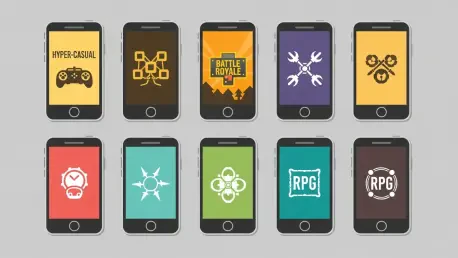
Hyper Casual games persist in their role as the undisputed kings of volume, consistently dominating the download charts by accounting for an impressive 30% of all global mobile game installations. The core of their widespread appeal lies in their extreme accessibility; these titles are built on a foundation of simplistic, intuitive mechanics that require no tutorials and allow for immediate gameplay. This low barrier to entry ensures a massive influx of players. While the revenue generated from a single download is comparatively low, the immense scale of their audience transforms the genre into a significant revenue generator. The business model revolves around in-game advertising and a rapid, cyclical development process. Developers can bring new titles to market with remarkable speed, monetize them efficiently through ads, and quickly pivot to the next project, creating a fast-paced but highly lucrative market dynamic driven by social media trends and app store algorithms.
In stark contrast to the high-volume, low-commitment model of Hyper Casuals, Battle Royale titles have carved out a commanding position at the top of the revenue charts through deep, competitive engagement. These games are often positioned as ongoing “services” that demand a greater investment of time and skill from players, fostering strong communities around team-based competition. This genre alone generated over $6 billion in revenue in 2024, a figure driven by sophisticated monetization strategies that include the sale of cosmetic in-game items and popular seasonal battle passes. The key to their sustained success lies in the “games-as-a-service” approach, where developers maintain long-term player interest through a continuous stream of fresh content. Regular updates featuring new maps, characters, weapons, limited-time events, and high-profile collaborations with other media franchises ensure that the experience remains dynamic and compelling for a dedicated player base.
Leading the charge in pure revenue generation, Role-Playing Games (RPGs) and Gacha-style collection games stand as the financial titans of the Android platform, responsible for an astonishing 48% of the total mobile games revenue. These games are defined by their deep, intricate progression systems, compelling narratives that unfold over time, and a core mechanic centered on collecting characters or items. This design philosophy demands a significant long-term commitment from players, who become invested in the game’s world and their personal progress within it. The monetization model is intrinsically linked to this deep engagement, as dedicated players are more inclined to spend on in-game advantages or collectibles. Developers masterfully cultivate this commitment through meticulously crafted retention strategies, such as daily login rewards, timed special events, and episodic story updates, which encourage habitual play and create a stable, resilient, and highly profitable revenue stream.
A Landscape Redefined for the Modern Gamer
The fiercely competitive environment that characterized the mobile gaming industry had a profoundly positive impact on the end-user experience, ultimately raising the bar for quality across the board. Players found themselves with access to a vast and ever-expanding library of polished, high-performing games that benefited from regular content updates and dedicated developer support. This intense rivalry also spurred a diversification of monetization strategies, which meant players often had more freedom to engage with a game on their own terms, with less pressure to make immediate in-game purchases. However, this optimization also led to game designs that were increasingly focused on capturing and retaining user attention through strategic, habit-forming mechanics. By understanding the distinct models of engagement and spending inherent to each major genre, players were better equipped to navigate this dynamic landscape and select games that genuinely aligned with their personal preferences for time, financial investment, and overall gameplay style.