
The long-standing dominance of the handheld smartphone has reached a critical inflection point as wearable augmented reality enters the mainstream market with unprecedented momentum. For over a decade, the mobile experience remained confined to a glass rectangle held in the palm, but the landscape of 2026 reveals a decisive move toward hands-free, ambient computing. Major technology manufacturers have pivoted their strategies, focusing on the development of smart glasses that prioritize daily utility and social acceptability over the immersive but isolating experiences of the past. This transition is not merely about a change in hardware but represents a fundamental shift in how digital information interacts with the physical world. As consumers begin to value immediate, eye-level access to data, the necessity of reaching into a pocket for a phone is being questioned. The current year serves as the definitive proving ground for whether these sleek, sensor-rich frames can finally relegate the traditional smartphone to a secondary or legacy device status.
Evolution of Personal Hardware
Intelligence Moves to the Frame
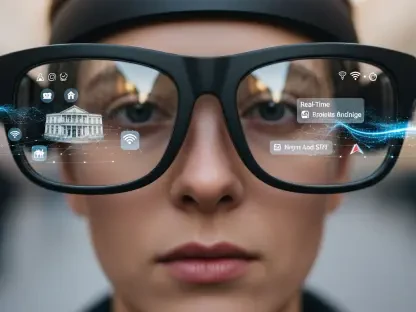
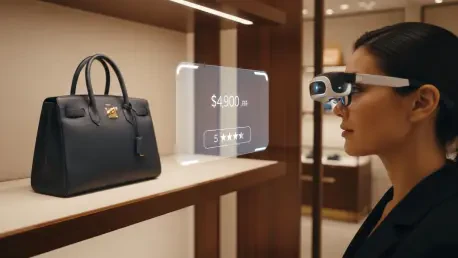
Samsung recently advanced the wearable sector with its March 2026 announcement of AI-integrated smart glasses that emphasize on-device intelligence rather than cloud-dependent processing. These frames are designed to offer real-time visual navigation and context-aware assistance without the weight or thermal issues that plagued earlier iterations of augmented reality hardware. By focusing on a “phone-free” architecture, the hardware prioritizes lightweight materials and ergonomic comfort, ensuring that the device can be worn for sixteen hours a day without causing physical strain. The internal processing units are now efficient enough to handle complex environmental recognition locally, which significantly reduces latency and enhances user privacy. Instead of projecting overwhelming virtual environments, these glasses provide a subtle data layer that assists with daily tasks, such as identifying products on a shelf or providing walking directions that appear to be painted onto the sidewalk, making the technology feel like a natural extension of human vision.
The industry has largely moved away from the bulky, gaming-centric headsets that defined the early days of mixed reality in favor of minimalist designs that blend into professional and social settings. This movement toward streamlined aesthetics is supported by breakthroughs in battery density and micro-LED display technology, which allow for high-brightness overlays that remain visible even in direct sunlight. Designers have recognized that for smart glasses to replace the smartphone, they must first satisfy the requirement of being high-quality eyewear. Consequently, the latest models from industry leaders emphasize the transparency of the lens and the unobtrusiveness of the sensors. This shift in design philosophy ensures that the user remains present in their physical surroundings while simultaneously accessing a digital stream of information. This balance is critical for maintaining social norms, as it prevents the “glasshole” stigma of previous years by ensuring that the technology facilitates interaction rather than creating a barrier between individuals in public spaces.
Strategic Shifts in Corporate Structure
Snap has taken a bold step toward hardware dominance by launching a dedicated subsidiary known as “Specs,” which focuses exclusively on scaling the success of its social augmented reality platform into a consumer hardware powerhouse. This organizational change allows the company to iterate on its hardware designs more rapidly, moving beyond simple video-capture glasses to sophisticated AR devices that support complex spatial filters and collaborative digital experiences. By separating the hardware division from its core social media business, the company can pursue long-term research and development goals that are not tethered to quarterly app engagement metrics. This independence has already resulted in a more robust supply chain and deeper partnerships with optics manufacturers, positioning the brand as a serious contender against traditional consumer electronics giants. The goal is to transform the ephemeral nature of social AR into a persistent, hardware-driven ecosystem that defines how the younger demographic interacts with their environment.
Meta, in contrast, is pursuing a broader and more experimental trajectory by developing a diverse portfolio of augmented and mixed reality prototypes to capture various segments of the market. While this variety offers consumers more choices in terms of price points and feature sets, it also introduces a significant risk of market fragmentation that could confuse potential early adopters. The company’s high-end mixed reality headsets continue to push the boundaries of graphical fidelity, while its more affordable smart glasses focus on audio-first experiences and basic visual overlays. This multi-pronged approach reflects an attempt to find the “sweet spot” for consumer adoption, yet it requires maintaining multiple operating systems and developer kits simultaneously. Despite the complexity, the sheer volume of Meta’s investment ensures that they remain at the center of the conversation regarding the transition from mobile apps to spatial interfaces. The challenge remains in unifying these disparate hardware lines into a cohesive user experience that rivals the simplicity of the smartphone.
Consumer Adoption and Ecosystem Integration
Fusion of Aesthetics and Functionality
Google has sought to resolve the aesthetic hurdles of wearable technology through a high-profile collaboration with Warby Parker, resulting in prescription-ready frames that prioritize style. These devices are designed to look identical to standard corrective eyewear, hiding the sophisticated display engines and batteries within the temples of the frame. By targeting the millions of people who already wear glasses daily, this partnership bypasses the hurdle of convincing consumers to put something new on their faces. The information delivery is intentionally subtle, utilizing “glanceable” notifications that appear in the periphery rather than distracting holograms that obstruct the field of view. This focus on practical utility ensures that the glasses are viewed as a helpful tool for productivity rather than a disruptive novelty. The integration of Google’s vast search and translation ecosystem directly into the lenses provides a level of immediate utility that a smartphone, which requires several physical steps to unlock and navigate, simply cannot match.
Amazon is concurrently leveraging its retail dominance by developing augmented reality tools specifically aimed at transforming the shopping and logistics experience. These tools allow for hands-free navigation in large warehouses and provide virtual product placements for consumers in their own homes, creating a seamless bridge between digital browsing and physical ownership. Recent industry data indicates that approximately 58% of consumers are more likely to finalize a purchase after utilizing AR shopping tools to visualize an item in their space. This trend is driving the market toward a projected valuation of over $210 billion by the end of the year, as retail becomes a primary use case for the technology. By integrating these features into a pair of glasses, the friction of holding a phone to scan a room is eliminated, making the shopping experience more fluid and intuitive. This commercial application provides a clear economic incentive for both businesses and consumers to adopt the hardware, grounding the technology in tangible financial benefits.
Spatial Mapping and Ecosystem Stability
The long-term viability of smart glasses depends heavily on the underlying software infrastructure provided by companies like Niantic, which provides robust spatial mapping and location-based data. This digital “map of the world” allows virtual objects to remain anchored to specific physical locations, ensuring that a digital note left on a storefront is visible to other users days later. Without this persistent spatial data, augmented reality would remain a localized and isolated experience; however, the current widespread availability of high-fidelity maps enables a shared digital reality. These platforms ensure that hardware from different manufacturers can communicate within the same spatial context, fostering a unified ecosystem. The infrastructure is now mature enough to support city-scale deployments of AR content, ranging from historical educational tours to real-time public transit updates that appear directly over the relevant bus stops and train stations. This spatial backbone is what transforms a pair of glasses into a comprehensive replacement for a handheld mobile device.
For the transition to be completed, the industry must continue to address the persistent challenges of battery life and data privacy, which remain the primary concerns for skeptical users. The current consensus suggests that for augmented reality to succeed, the devices must be affordable, socially acceptable, and offer a clear benefit that justifies the shift away from familiar mobile interfaces. The unified efforts of technology giants and software developers indicate that the foundational work has been completed, and the market is now entering a phase of rapid refinement. The focus is no longer on whether the technology works, but on how quickly it can be integrated into the existing habits of a global population. As spatial computing becomes more refined, the reliance on a separate, pocket-sized screen is expected to diminish in favor of a more integrated and natural way of interacting with digital information. This evolution suggests that the next phase of personal computing will be defined by its invisibility, as technology moves from the hand to the eye.
Strategic Outlook for Spatial Computing
The trajectory of personal technology in 2026 reached a point where the smartphone was no longer the undisputed center of the digital universe. Industry leaders successfully transitioned from experimental prototypes to functional, stylish eyewear that addressed long-standing consumer concerns regarding privacy and aesthetics. Strategic partnerships between technology firms and fashion brands lowered the barrier to entry, making smart glasses a viable choice for the average user rather than just a niche tool for enthusiasts. The development of robust spatial mapping infrastructure ensured that these devices offered more than just notifications, providing a persistent and shared digital layer that enhanced the physical world. While the smartphone remained a useful tool for high-intensity processing and private interactions, the smart glasses took over the role of the primary interface for daily navigation, communication, and commerce. This shift represented a significant move toward a more seamless integration of data into human experience.
The path forward for organizations and developers became focused on the creation of spatial-first content that utilized the unique capabilities of head-worn displays. To remain competitive, businesses had to prioritize the development of AR-compatible assets and interfaces that could function within a 3D environment rather than a 2D screen. Future considerations for the industry included the standardization of spatial data protocols to ensure cross-platform compatibility and the continued improvement of low-power processing to extend device longevity. Consumers were encouraged to evaluate their digital habits and embrace the hands-free convenience that defined the new era of computing. As the hardware continued to shrink and become more powerful, the distinction between the digital and physical worlds grew increasingly thin. The success of this transition was ultimately measured by how quickly the technology became a background element of daily life, providing value without demanding constant attention or physical effort.