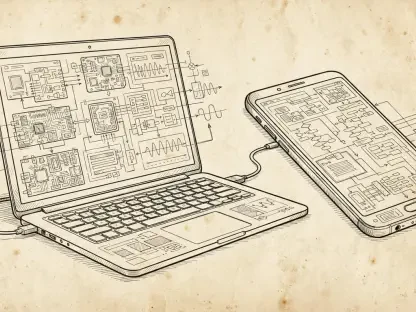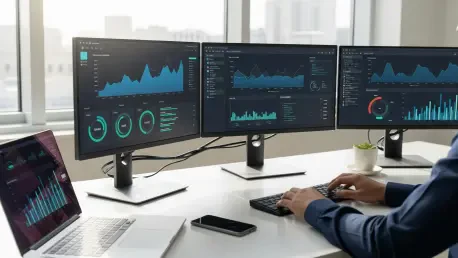

Modern corporate environments often operate under a digital facade where infrastructure reports suggest absolute perfection while the actual human beings using the tools struggle through a sea of invisible micro-frustrations. For years, the metric of success in a corporate information technology department was defined by the reliability of the system, not the satisfaction of the person sitting behind the keyboard. This disconnect created a strange reality where a company could boast about achieving ninety-nine point nine percent system uptime while simultaneously losing thousands of hours in productivity to sluggish applications and failing hardware. These invisible hurdles, often referred to as digital friction, represent the greatest barrier to efficiency in the current era of distributed and hybrid work.
The Illusion of Technical Success in the Modern Workplace
The phenomenon known as “green dashboard syndrome” has long haunted executive suites, providing a false sense of security while workforce morale quietly eroded. In this scenario, every monitoring tool in the IT arsenal displays a reassuring green light, indicating that servers are running, networks are connected, and applications are technically available. However, these metrics are often too coarse to capture the reality of the employee who spends ten minutes every morning waiting for a laptop to boot or who experiences constant audio stuttering during critical client presentations. The green dashboard measures the health of the machine, but it completely ignores the frustration of the human operator who is forced to navigate a landscape of minor but persistent failures.
Moving beyond these raw technical metrics is essential to capturing the actual “felt” experience of the workforce. While a network might be reachable, it may not be performant enough to support the complex, cloud-dependent software that defines modern professional life. When IT success is measured solely through the lens of infrastructure availability, the organization misses the subtle nuances of user struggle, such as the friction caused by an overly aggressive security agent that slows down every file transfer. This shift in perspective requires a move away from static, high-level reports toward more granular, real-time data that reflects how applications behave on individual devices in diverse environments.
The true cost of “silent issues” is often much higher than most management teams realize, largely because these problems never actually reach the IT help desk. Statistics suggest that a significant percentage of employees choose to work through technical glitches rather than enduring the process of filing a support ticket. This lack of reporting creates a massive data gap where recurring software crashes or peripheral connectivity issues go unresolved for months. These silent productivity killers act as a tax on the enterprise, draining cognitive energy and reducing the time workers spend on high-value tasks. By the time a problem becomes loud enough to trigger a formal complaint, the cumulative loss of efficiency and employee engagement has already impacted the bottom line significantly.
Bridging the Divide Between IT Performance and Human Productivity
There is a fundamental shift occurring within corporate IT departments as they transition from a system-centric model to a user-centric philosophy. Historically, the primary objective was to ensure that the “boxes and wires” were functioning correctly, with very little regard for how those components translated into a positive work experience. In 2026, the focus has pivoted toward understanding the human-technology interface. This evolution acknowledges that technology is not just a utility but is the primary environment in which work happens. Consequently, the quality of that digital environment is now viewed as being just as important as the physical comfort of a traditional office space.
The rise of hybrid work and the total reliance on cloud-dependent applications have made this new approach a necessity rather than a luxury. When employees are scattered across different time zones and home networks, the traditional perimeter of the office disappears, leaving IT teams with less control and more complexity. In this decentralized world, a user-centric management style allows organizations to ensure consistent performance regardless of where a person is located or what kind of internet connection they are using. This approach prioritizes the responsiveness of the digital workspace, ensuring that the transition from a home office to a corporate headquarters is seamless and that the tools remain as reliable as they are in a controlled setting.
Connecting digital stability to broader organizational goals like talent retention and employee engagement has become a strategic priority for leadership. Employees who are constantly battling their tools are more likely to feel undervalued and are at a higher risk of burnout. In contrast, a frictionless digital environment allows professionals to stay in a state of “flow,” where they can concentrate on their work without being interrupted by technical interruptions. By investing in platforms that prioritize the user experience, companies are not just fixing computers; they are actively protecting their human capital and ensuring that their best workers are not driven away by a lack of investment in modern, high-functioning infrastructure.
The Triad of DEX Intelligence: Telemetry, Sentiment, and Business Impact
The foundation of a successful Digital Employee Experience strategy rests on monitoring technology signals through sophisticated endpoint agents. These lightweight software components reside on every corporate device, from laptops to mobile phones, silently gathering data on system health, network stability, and application responsiveness. Unlike traditional monitoring that looks at the server side, this telemetry captures the experience from the user’s perspective. It tracks how much memory a specific web browser is consuming, the signal strength of a home WiFi connection during a video call, and the time it takes for a complex spreadsheet to open. This level of detail allows IT teams to pinpoint exactly where a bottleneck exists before it causes a complete system failure.
However, technical data alone is only half of the story, which is why capturing contextualized sentiment is a critical second pillar. By utilizing micro-surveys that are triggered by specific technical events, organizations can correlate raw data with real-time user feedback. For example, if a DEX platform detects an application crash, it can immediately prompt the user for a quick rating of their experience. This allows the organization to understand the emotional impact of technical failures. Knowing that a specific group of users feels highly frustrated by a particular software update provides much more actionable insight than a simple error log, as it helps prioritize fixes that will have the greatest impact on morale.
The final element involves linking digital performance directly to business outcomes by measuring the relationship between technology flow and operational efficiency. Advanced analytics can now demonstrate how a five-percent improvement in application load times leads to a measurable increase in customer service response rates or a decrease in operational costs. This capability allows the IT department to speak the language of the C-suite, transforming technical metrics into financial and strategic value. When leaders can see the direct correlation between a stable digital environment and higher revenue or lower turnover, they are more likely to view technology spending as a strategic investment rather than a burdensome overhead expense.
The Industry Shift Toward AI-Driven and Self-Healing Environments
The evolution of workplace management is moving rapidly away from passive monitoring toward proactive remediation and automated troubleshooting. In the past, IT teams spent the majority of their time reacting to problems that had already occurred, often spending hours on manual diagnostic work. Modern DEX platforms have flipped this dynamic by identifying potential issues before they even reach the user. By analyzing patterns across thousands of devices, these systems can spot a failing battery or a corrupted driver and trigger a fix automatically. This shift reduces the volume of support tickets and ensures that the workforce remains productive without having to wait for a technician to intervene.
Leveraging predictive AI is at the heart of this transformation, allowing systems to identify and fix background issues before they disrupt the employee’s workday. These AI models are trained to recognize the early warning signs of system instability, such as a gradual increase in memory usage by a specific background process. Once a pattern is identified, the platform can deploy a remediation script to clear the cache or restart the process silently. This “self-healing” capability creates a digital environment that maintains itself, effectively shielding the user from the underlying complexity of the operating system and ensuring that their tools are always ready for use.
There is a growing consensus among market leaders that using DEX data is essential for financial optimization and intelligent hardware lifecycle management. Instead of replacing every device on an arbitrary three-year cycle, organizations are now using performance data to determine when a laptop actually needs to be retired. If the data shows that a machine is still performing within the top percentile for speed and stability, its life can be extended, saving the company significant capital. Conversely, if a device shows signs of hardware degradation long before its scheduled replacement date, it can be swapped out proactively to prevent a catastrophic failure during a critical project, ensuring both fiscal responsibility and operational continuity.
A Strategic Framework for Navigating the DEX Implementation Journey
Successfully implementing a DEX platform requires more than just installing software; it demands the alignment of key stakeholders from across the entire organization. Because these platforms collect data that touches on employee privacy and workplace culture, departments like Human Resources, Legal, and Communications must be involved from the very beginning. HR can help ensure that the data is used to improve the work environment rather than as a tool for surveillance, while Legal teams manage the complexities of data privacy regulations such as GDPR. Clear communication is also vital to help employees understand that these tools are being deployed to make their daily lives easier and to provide them with a more responsive support system.
Identifying the “moments that matter” is another critical component of the strategic framework, as it allows organizations to focus their efforts on high-impact touchpoints. For many employees, the digital onboarding process is the first and most important experience they have with a company’s technology. If their laptop arrives late or their access permissions are incorrect, it sets a negative tone for their entire tenure. By using DEX platforms to monitor and optimize these critical phases—including the reliability of collaboration tools and the speed of internal help desks—companies can ensure that they are making the biggest difference where it counts the most. Focusing on these specific areas provides immediate evidence of the platform’s value and helps build internal support for a wider rollout.
Executing a Proof of Value is the final step in ensuring that the chosen platform can handle the unique challenges of a specific corporate environment. This involves testing the platform’s capabilities against real-world security stacks, legacy software, and diverse hardware configurations. A successful pilot program should demonstrate not only that the tool can identify technical issues but also that it can provide actionable insights that lead to measurable improvements. By proving the value of the platform in a controlled environment, IT leaders can gain the necessary buy-in to scale the solution across the entire enterprise, ultimately transforming the way the organization views and manages the digital experience of its workforce for years to come.
The transition toward a Digital Employee Experience model represented a significant shift in the way organizations perceived the interaction between their workforce and their infrastructure. In the past, leadership teams often prioritized the procurement of new tools over the maintenance of the experience itself, leading to a fragmented and often frustrating digital landscape. However, the adoption of DEX platforms changed this dynamic by providing the visibility needed to understand the human impact of every technical decision. These platforms offered a way to move beyond the superficial metrics of the past and embrace a more nuanced, data-driven understanding of what it actually meant to be productive in a modern, distributed environment.
The deployment of these systems allowed IT departments to evolve from a reactive support function into a proactive strategic partner. Organizations that utilized these tools successfully were able to identify and resolve thousands of silent issues that had previously drained time and energy from their teams. By automating the remediation of common technical glitches and using AI to predict future failures, companies created a more resilient and reliable workspace. This proactive stance not only reduced the burden on support staff but also significantly improved the daily lives of employees, who no longer had to struggle with the micro-frictions that had once characterized their digital interactions.
Ultimately, the focus on digital employee experience fostered a culture of transparency and trust between employees and the IT department. By using micro-surveys and sentiment analysis, organizations demonstrated that they valued the feedback of their workers and were committed to providing the best possible tools for success. This human-centric approach to technology management proved to be a powerful driver of engagement and retention. As the digital and physical worlds continued to merge, the organizations that had invested in these platforms found themselves better equipped to handle the complexities of the future, ensuring that their people remained at the center of their technological evolution.