
Siri’s new dedicated interface allows drivers to view a history of their past conversations, making the assistant far more capable of handling long-term tasks. Beyond just taking orders, the system acts as a proactive co-pilot that understands context over multiple days of travel. As the automotive industry shifts toward more complex digital cockpits, the latest update to the mobile ecosystem provides a seamless bridge between a smartphone and a vehicle’s native hardware. This transition is especially vital now that several major manufacturers are experimenting with proprietary software, yet Apple continues to refine its integration to ensure users remain within a familiar, high-performance environment. The emphasis has shifted from simple mirroring to a deep, systemic fusion that treats the car as an extension of the person’s digital identity. By prioritizing user convenience through smarter data management, the software update addresses long-standing pain points for commuters and long-distance travelers alike.
Visual Evolution and Aesthetic Integration
The Liquid Glass Interface: A New Design Paradigm
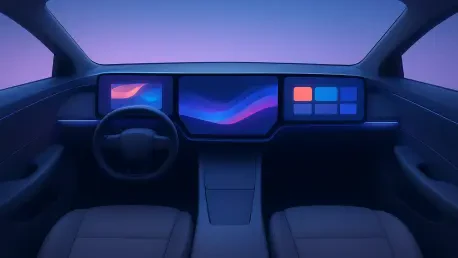
The most immediate visual change introduced in this update is the Liquid Glass design language, which completely reimagines the iconography and motion physics within the car’s display. Unlike the static layouts of the past, this new interface utilizes fluid UI elements that react dynamically to touch and system transitions, creating a sense of depth that was previously missing. The icons have been refreshed with translucent textures and softer edges that blend more naturally with the varying resolutions of high-end automotive screens. This aesthetic shift is not merely about looks; it is designed to reduce cognitive load by making information more legible at a quick glance while maintaining a premium feel. The transition animations are smoother, ensuring that switching between navigation and communication tools does not distract the driver with jarring visual shifts. This modernization aligns perfectly with the sophisticated hardware found in the newest luxury electric vehicles and traditional performance cars.
Personalization Options and Adaptive Scaling
To further enhance this visual transformation, a suite of high-resolution wallpapers and customization options has been added, allowing for a level of personalization that mirrors the experience found on the latest smartphones. Drivers can now match their infotainment theme with the interior lighting or color scheme of their vehicle, creating a cohesive cabin atmosphere. This flexibility extends to the way widgets are displayed, with a focus on maximizing screen real estate on wider or vertically oriented displays. The software now intelligently scales elements to fit unique dashboard configurations, ensuring that the Liquid Glass aesthetic remains consistent whether it is running on a compact display or a sprawling panoramic screen. By allowing users to tailor their environment so specifically, the update fosters a deeper connection between the driver and the machine. This focus on individual preference ensures that the digital space feels unique to the owner, moving away from a one-size-fits-all approach to software.
Intelligence and Advanced Multimedia Integration
The Next Generation of Driver Assistance
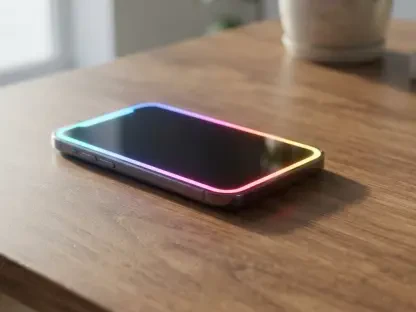
While the visual updates are striking, the core of the experience lies in the evolution of Siri into a highly sophisticated AI assistant that rivals modern large language models. The introduction of a dedicated application within the CarPlay interface represents a departure from the traditional floating bubble, providing a workspace where users can manage ongoing queries and tasks. This new architecture allows for complex follow-up questions, such as referencing a restaurant mentioned earlier in the week or adjusting a professional schedule based on real-time traffic delays. Visually, the assistant incorporates a glowing animation that pulses in sync with the driver’s voice, providing a clear indicator of system engagement. This level of responsiveness makes the interaction feel more like a conversation and less like a series of disjointed commands. By integrating smarter logic into the assistant, the system can anticipate needs before they are explicitly stated, suggesting the fastest route to a recurring appointment without being asked.
Hardware Synergy and Next Steps for Drivers
The implementation of these advanced features required a strategic approach to both software development and hardware synergy, particularly in how the system handled multimedia and vehicle tracking. The addition of a persistent mini-player and track scrubbing functionality finally gave users the granular control they needed over their audio content, significantly reducing the time spent interacting with the screen while driving. Furthermore, the integration with wearable technology through the Backtrack feature on the Apple Watch addressed the practical challenge of locating parked vehicles in complex environments. Moving forward, users should verify that their vehicle’s firmware is compatible with the latest wireless protocols to fully utilize the enhanced pinch-to-zoom gestures and cross-platform navigation sharing. Ensuring that the connected ecosystem is fully synchronized became a priority for those seeking the most efficient driving experience. It was essential for drivers to explore the deep customization menus to optimize the interface layout.