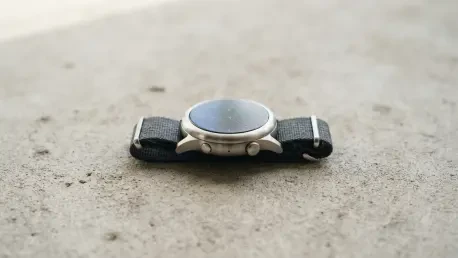

The landscape of wearable technology is undergoing a significant transformation as major manufacturers consolidate their software platforms to offer a more unified user experience. Owners of the Fitbit Sense and Versa series face a hard deadline as Google prepares to end the installation of independent software on November 28, 2026. This decision marks the beginning of the end for the proprietary Fitbit OS ecosystem, which for years allowed a vibrant community of independent developers to create custom watch faces and utility applications. As the digital storefront moves toward a more restricted model, the focus is shifting away from third-party extensibility and toward the core features maintained by Google and Fitbit. This strategic realignment is part of a broader effort to prioritize the Wear OS platform, which powers the more modern Pixel Watch lineup. For the millions of users still wearing legacy Fitbit devices, this change necessitates a proactive approach to software management to ensure that their preferred tools remain accessible after the store’s closure.
Strategic Shifts: The Evolution of the Fitbit Platform
Global Changes: The Sunset of Third-Party Development
The decision to terminate third-party support is a calculated move to wind down legacy systems that no longer align with the company’s long-term product roadmap. Starting with the upcoming deadline, the Fitbit App Gallery will effectively freeze its current state for eight specific devices, including the original Ionic, the Sense, Sense 2, and the entire Versa family, spanning the Lite through the Versa 4 models. After this point, any watch face or utility not developed by Google or Fitbit will become unavailable for download or update, effectively locking these devices into their current software state. This policy change applies globally, expanding on restrictions that were introduced in the European Economic Area during 2024. While the devices themselves will continue to function and track biometric data, the inability to refresh or replace third-party software creates a stagnant environment. Users who have relied on specialized tools for niche sports or custom data visualization will find their options limited to the core features provided by the manufacturer.
Ecosystem Alignment: Moving Toward Wear OS Standards
At the heart of this shift is the ongoing migration toward Wear OS, the platform powering the newer Pixel Watch and other high-end wearables in the Google portfolio. By distancing itself from the proprietary Fitbit OS, the company is focusing its engineering resources on a unified platform that offers deeper integration with Android services and more robust hardware capabilities. This strategic pivot highlights the tension between maintaining older, niche platforms and scaling modern ecosystems that can compete with dominant market players. Newer devices like the Sense 2 and Versa 4 were already indicative of this direction, launching with a limited scope for third-party expansion compared to their predecessors. The 2026 cutoff ensures that all Fitbit smartwatches align with this new paradigm, nudging the user base toward more modern hardware that can support a richer, more integrated software experience. This transition effectively ends the era of Fitbit as a standalone software platform, moving it toward a feature set integrated into a larger brand.
Operational Impact: Challenges for Current Device Users
Maintenance Risks: The Consequence of Factory Resets
One of the most significant risks introduced by the 2026 deadline is the vulnerability of the device’s software state during standard maintenance procedures. Historically, a factory reset has been the most effective way to solve synchronization issues or battery performance degradation. However, once the installation window closes, a factory reset will permanently remove all third-party applications and watch faces from the device with no way to restore them. Since the official gallery will no longer facilitate downloads for these legacy models, a simple troubleshooting step could result in the permanent loss of a user’s favorite features. This reality necessitates a more cautious approach to device management, where users must prioritize stability over experimentation. The 5.12 update for the mobile companion app became a vital component of this strategy, ensuring that the remaining first-party features continue to communicate effectively with modern smartphones while the underlying third-party app environment remains unchanged.
Future Planning: Strategic Steps for Software Preservation
As the transition period ended, the community of Fitbit enthusiasts adapted to the new landscape by prioritizing stability and forward-looking hardware upgrades. The strategic decision was made to finalize all personal device setups well in advance of the November deadline, ensuring that the most valued third-party features were preserved locally on the hardware. Many users also updated their mobile applications to version 5.12 to maintain a bridge between their legacy wearables and modern smartphone operating systems. For those who prioritized a customizable experience, the migration to the Wear OS ecosystem provided a sustainable path forward with continued support for independent development. By treating the existing installations as a finite resource, owners successfully managed to keep their devices functional while acknowledging the shift toward a more controlled, first-party software environment. This period marked a significant evolution in the relationship between wearable hardware and the software ecosystems that define their value.