
The familiar act of reaching for a wallet to produce a driver’s license is steadily being reimagined as Kentucky introduces a mobile identification application, positioning the Commonwealth as a key player in the national shift toward digital credentials. This initiative represents far more than a simple technological novelty; it is a deliberate and strategic advancement aimed at addressing the evolving demands for security and convenience in an increasingly digital world. Announced by state leadership, this foray into mobile-first credentials allows residents to carry a secure, verifiable version of their state-issued ID directly on their iPhones. The launch signals a pivotal moment, reflecting a broader national trend driven by the need for contactless interactions and growing concerns over the vulnerabilities of traditional physical IDs, such as loss, theft, and fraudulent reproduction. Kentucky’s approach is not a radical experiment but a calculated step in a nationwide digital transformation, establishing a new standard for how personal identity is managed and protected in modern society.
A New Paradigm for Personal Verification
Kentucky’s mobile ID application, developed in collaboration with the technology firm IDEMIA, provides residents with a secure and convenient digital alternative that redefines the concept of personal verification. At its launch, the primary utility is centered on streamlining identity checks at over 250 TSA checkpoints at airports across the nation, as well as at select participating venues. The user adoption process has been meticulously designed for simplicity, requiring a one-time setup that involves scanning the physical ID card and completing a brief facial recognition verification. This process securely binds the digital credential to the user and their specific device, transforming the often-cumbersome process of air travel into a more seamless experience. Initial feedback from early adopters has been overwhelmingly positive, with users frequently praising the simplified and expedited verification process. This initial phase serves as an essential real-world testing ground, enabling the state to gather valuable user data and refine the system for its future evolution.
At the core of Kentucky’s mobile ID is a sophisticated technological framework built upon a foundation of advanced security protocols designed to safeguard user privacy and prevent fraudulent activity. The system leverages powerful, device-native security features, including facial biometrics for authentication and robust, on-device encryption that protects sensitive information. A critical design decision was to ensure that personal data is not stored on external government or third-party servers; instead, it remains securely contained on the user’s personal iPhone. This decentralized architecture aligns with the privacy-centric ethos of platforms like Apple and significantly reduces the risk of large-scale data breaches that have plagued centralized databases. This model offers a substantial security upgrade over traditional physical cards, which expose all printed information during every transaction and are highly susceptible to being lost, stolen, or visually copied for malicious purposes.
The Strategic Rollout and Broader Implications
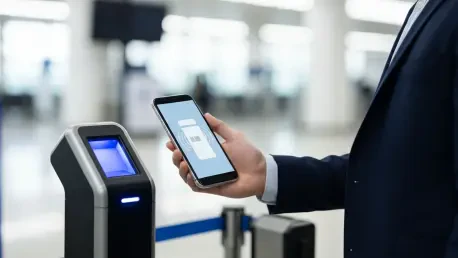
When presenting the ID for verification, the system utilizes technologies like NFC or QR codes to facilitate a “privacy-by-design” interaction where only the essential information is shared for a given transaction. For instance, when an individual is purchasing age-restricted goods, the application can transmit a simple “yes/no” confirmation of being over 21 to the merchant’s reader, without ever revealing the user’s specific date of birth, home address, or other sensitive personal details. Security experts have widely applauded this model, noting its capacity to empower users with greater control over their personal data. To ensure the legitimacy and broad acceptance of this new credential, Kentucky has partnered with federal agencies to align the digital ID with the stringent security standards of REAL ID, making it a federally recognized equivalent for designated purposes like domestic air travel and access to federal facilities. This certification is crucial for establishing trust and utility beyond state lines.
A key finding from the state’s initiative is its strategic, two-stage rollout plan, which demonstrates a thoughtful and forward-looking approach to implementation. The initial launch of a standalone application serves as a precursor to the ultimate objective: full integration into the native Apple Wallet ecosystem. This planned upgrade will represent a significant leap forward in user convenience, eliminating the need to locate and open a separate app for verification. Instead, the digital ID will reside alongside credit cards, boarding passes, and transit passes, accessible with a simple double-tap of the device. This integration is part of a broader, ongoing initiative by Apple to support state-issued digital IDs. Kentucky is effectively building on the lessons learned from pioneering states like Arizona, Maryland, Colorado, and Georgia, observing their earlier rollouts to refine its user interface and security protocols, ensuring a more seamless and reliable transition into the Apple Wallet when the feature becomes available.
Navigating Challenges on the Path to Adoption
Kentucky’s launch is a significant event with ripple effects that extend far beyond its own borders, acting as a catalyst that could prompt neighboring states like Tennessee and Indiana to accelerate their own digital ID programs. The move contributes to a growing momentum toward establishing national standards for mobile credentials, which could eventually resolve the current patchwork of disparate state-level programs and create a more unified, interoperable system. Economically, the widespread adoption of secure digital verification is projected to benefit sectors such as retail and hospitality by streamlining age and identity checks, thereby reducing financial losses associated with fraud. Furthermore, this initiative aligns with global trends, where entities like the European Union and nations such as Australia are also actively developing and piloting digital identity wallets, positioning the U.S. within a worldwide movement toward more modern and secure forms of identification.
Despite the significant progress and promising potential, the path to universal adoption of mobile IDs is not without its obstacles. The primary challenge remains ensuring equitable access for all residents, including those who may not own compatible smartphones or possess the digital literacy required to use the application. State officials are actively addressing this concern by emphasizing that the mobile ID will supplement, rather than immediately replace, the mandatory physical card, ensuring no citizen is left behind. Another considerable hurdle is achieving universal legal and practical acceptance of the digital credential. While valid at all TSA checkpoints, the digital ID may not yet be recognized by all law enforcement agencies, state courts, or private businesses. Overcoming this requires ongoing legislative efforts and robust partnership programs designed to educate all stakeholders on the validity and security of the new format.
A Blueprint for Digital Identity
Ultimately, Kentucky’s measured and security-focused implementation of a mobile ID served as a valuable blueprint for other states that followed. The initiative marked a definitive shift toward a future where personal identity became as secure, private, and mobile as the lives of the citizens it represented. The integration with Apple Wallet unlocked a realm of possibilities that were once mere speculation, including features like automatic updates for license renewals and seamless integration with digital health records for verification purposes. As industry analysts projected, a majority of U.S. states went on to offer a digital ID option by 2030, and Kentucky’s early, thoughtful approach was widely regarded as a foundational model that successfully balanced technological innovation with the practical needs of a diverse population.