
The familiar routine of fumbling for a driver’s license and boarding pass at the airport security checkpoint is rapidly being replaced by a simple glance into a camera, a technological shift that promises unprecedented convenience but raises profound questions about privacy and data security. The Transportation Security Administration (TSA) is spearheading this transformation with two significant initiatives recently launched at Ted Stevens International Airport in Anchorage, setting a potential precedent for airports nationwide. These programs represent a dual-pronged approach to modernizing identity verification, combining advanced biometric scanning with a more rigid enforcement of long-standing federal identification laws. As travelers encounter these new systems, they are navigating a landscape where their physical identity documents are becoming secondary to their unique biological markers, pushing the boundaries of what it means to prove who you are in a high-security environment. This evolution forces a critical examination of the trade-offs between a faster, more streamlined airport experience and the potential for a new era of digital surveillance.
The Dual Path of Identity Verification
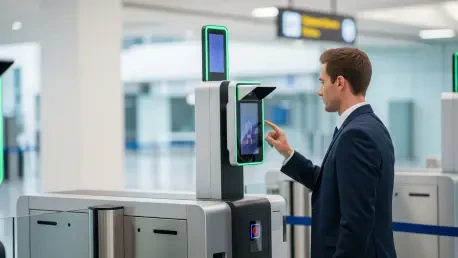
The centerpiece of this new security paradigm is the “TSA PreCheck Touchless ID” program, an advanced facial recognition system designed to expedite the screening process for enrolled travelers. This technology moves beyond previous iterations by allowing passengers to verify their identity without presenting any physical documentation. Upon approaching the checkpoint, a traveler simply looks into a high-resolution camera, which captures a live image of their face. Sophisticated software then compares this image to a pre-existing digital photograph stored in a secure government database, typically sourced from a passport or other state-issued ID. A successful match clears the traveler to proceed, theoretically reducing wait times and human error. Despite its designation as a voluntary program, the primary method of informing passengers is through on-site signage, a subtle approach that results in a high participation rate, as many travelers proceed through the scanner without actively opting out. The TSA promotes this system as a significant step forward in both security and efficiency, yet advises all passengers to continue carrying their physical IDs in case the technology fails to make a match, a reminder that the system is not yet infallible.
In a parallel move to bolster identity security, the TSA has initiated a far stricter enforcement of the REAL ID Act, a federal law passed in 2005 that has faced years of delayed implementation. Beginning February 1, domestic travelers aged 18 and older who arrive at the airport without a REAL ID-compliant license or a valid passport will face a new hurdle. These individuals will be directed to a “ConfirmedID” process, which requires payment of a $45 fee to proceed. Upon payment, the TSA undertakes an alternative identity verification process that, if successful, grants the traveler permission to fly for a 10-day period. This measure effectively monetizes non-compliance, creating a significant financial incentive for travelers to update their identification. The agency has made it clear that refusal to pay the fee may result in the traveler being denied access to the security checkpoint and their flight. This policy marks a decisive end to the previous leniency in REAL ID enforcement and signals a commitment to a more standardized and secure form of identification for air travel across the United States.
A Transaction of Trust
The implementation of biometric screening and stringent ID policies has fundamentally altered the relationship between the traveler and airport security. Previously a straightforward exchange of documents, the process now involves a transaction of personal data, raising significant concerns among privacy advocates. The TSA has attempted to address these worries by stating that the facial images captured by the Touchless ID system are used exclusively for identity verification at that moment. The agency maintains that these images are not shared with law enforcement for surveillance purposes and are securely deleted from local systems within 24 hours of a traveler’s flight. However, these assurances have not fully quelled concerns about the potential for data breaches or a gradual expansion of the program’s scope in the future. The debate highlighted the delicate balance between public safety and individual privacy, a balance that became increasingly complex as technology outpaced regulation. The efficiency gained through these new systems came at the cost of personal biometric data, a trade-off many travelers made without full consideration of its long-term implications.