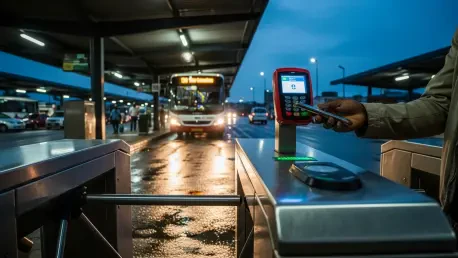

Ghana’s mobile wallet story reached a turning point as MobileMoney Fintech Ltd shifted focus from adding more names to the ledger to anchoring daily life in digital payments, arguing that inclusion means little without habitual, end‑to‑end usage that replaces cash, not just parks value between cash-in and cash-out. At MTN Ghana’s Media and Stakeholder Forum in Accra, Chief Products and Services Officer Sylvia Otuo Acheampong outlined a plan to convert passive accounts into active financial relationships that touch transport fares, micro-commerce, bill pay, and working capital. With more than 17 million registrations since launch in 2009, the inflection is not about reach but relevance: making the next transaction easier than cash. That push is practical, not rhetorical, centering on merchant acceptance, seamless tools for small businesses, and safeguards that reduce friction and build confidence against scams.
From Access to Usage: Strategy and Rationale
The pivot starts where most digital wallets stall: at the counter where a buyer and seller still default to notes and coins. MobileMoney Fintech is targeting that moment with a merchant-first expansion, enrolling formal retailers, open‑air market traders, ride providers, and service vendors so customers can pay digitally across the full journey. This approach aims to keep value circulating within the ecosystem, reducing the ingrained habit of cashing out after a transfer. Concretely, the company is broadening credit and insurance access within the app, tying micro‑loans, device financing, and premium payments to everyday transactions. It is also investing in instant merchant settlement and simple onboarding flows, with low‑cost acceptance options and APIs that let small merchants reconcile sales automatically. Building on this foundation, advanced payment features like scheduled invoices and split‑tender options are meant to make digital the path of least resistance for both sides.
Trust underpins usage, so the plan pairs ecosystem growth with tighter security and literacy. MobileMoney is rolling out AI models that learn from fraud patterns—flagging anomalous behavior, checking device fingerprints, and throttling risky sessions before losses occur—while training agents and customers to spot social engineering. The “Shine Your Eye” campaign elevates that message with plain‑language guidance on PIN hygiene, reversal scams, and verified service lines, addressing the human layer that technology alone cannot fix. The firm is also aligning with banks, regulators, and civil society to strengthen interoperability across payments, remittances, BankTech, InsurTech, and savings/loans, so users can move money safely without guesswork about fees or failed transfers. The practical test now hinged on frequency: more taps at the kiosk, fewer trips to the ATM, and a growing base of merchants who treat digital as default rather than exception.
What Will Make Daily Digital Stick
Usage grows when money moves in loops, not lines. To that end, MobileMoney Fintech is positioning merchant acceptance as the anchor and richer services as the lock‑in. Bundled offerings tie inventory credit to point‑of‑sale receipts, micro‑insurance to bill payments, and savings nudges to salary inflows, keeping users engaged beyond person‑to‑person transfers. Government and utility collections play a catalytic role; when school fees, transit cards, and municipal charges are payable in‑app, the incentive to hold a balance increases. Moreover, clear, predictable pricing—such as reduced fees for wallet‑to‑merchant payments and rewards for keeping value digital—nudges behavior without heavy subsidies. This approach naturally leads to a flywheel: more acceptance begets more usage, which attracts more service providers, improving reliability and cutting costs.
The most effective next steps were framed as execution moves rather than aspirations. Expanding agent-to-merchant migration kits, offering instant, low‑cost settlements, and publishing transparent fraud‑alert dashboards would have reinforced confidence among small businesses. Prioritizing acceptance in mass‑transit, utilities, and informal retail corridors would have maximized daily frequency, while interoperable remittance top‑ups and simple dispute resolution would have reduced abandonment. Opening stable, well‑documented APIs for micro‑ERPs and delivery platforms would have bound merchants into the ecosystem. Finally, pricing that rewarded digital retention, coupled with relentless user education under “Shine Your Eye,” positioned the wallet as a safer, faster alternative to cash, converting registrations into durable, everyday usage.