
When it comes to the intersection of mobile technology and government policy, few understand the deep-seated implications better than Nia Christair. With a rich background in mobile app development and enterprise solutions, she brings a crucial technical perspective to the debate over surveillance. We’re discussing a new legislative proposal that takes aim at how Immigration and Customs Enforcement (ICE) uses facial recognition on the go, a practice that’s raising significant alarms about civil liberties, technological bias, and the very nature of privacy in American communities.
ICE agents are using a mobile app called Mobile Fortify for facial recognition in the field. What specific concerns about technological bias and accuracy arise from using such an unproven app to determine legal status, and what could a wrongful match mean for an individual?
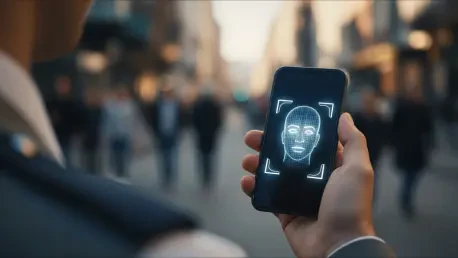
The use of an “unproven” app like Mobile Fortify in the field is deeply troubling from both a technical and human rights perspective. These facial recognition systems are notoriously flawed, often exhibiting significant bias against people of color, women, and other minority groups. When you deploy this technology on a mobile device, with variable lighting and uncontrolled angles, the potential for error skyrockets. A wrongful match isn’t a simple administrative error; it’s a terrifying, life-altering event. Imagine being stopped on your way to work, an agent points a phone at you, and an algorithm incorrectly flags you for detention. This could be the first step toward deportation proceedings, a catastrophic outcome based entirely on what lawmakers have called “an outrageous affront to the civil rights and civil liberties of U.S. citizens and immigrants alike.”
The new legislative proposal seeks to restrict apps like Mobile Fortify to ports of entry. Can you walk me through the practical differences and privacy implications of using this technology at a border crossing versus within communities across the country?
The distinction is monumental. At a port of entry, there is a long-established legal framework and a general expectation of screening and inspection. It’s a controlled, specific environment for verifying identity. Deploying this technology in the field, on any street corner in America, fundamentally changes the dynamic. It effectively erases the boundary between the border and the interior, turning our communities into zones of constant, suspicionless surveillance. An agent armed with Mobile Fortify can conduct a digital “show me your papers” check on anyone, anytime. This creates a chilling effect on public life and erodes the privacy not just of immigrants, but of every single American who could be misidentified by a biased algorithm.
A key provision in the proposal mandates the destruction of any biometric data of U.S. citizens captured by these apps. What are the long-term risks of a government agency retaining this data, and what steps are needed to ensure its complete removal from all systems?
Retaining this biometric data, especially that of U.S. citizens inadvertently swept up in this net, creates a permanent digital lineup. Your face—your unique, unchangeable identity—becomes a data point in a government database, accessible for future, unknown purposes without your consent. The long-term risks include function creep, where data collected for immigration enforcement is later used for other types of surveillance or law enforcement. Ensuring its complete removal requires more than just hitting ‘delete.’ It demands verifiable, audited processes to scrub the data from all active systems, backups, and any third-party databases where it might have been shared. Without a strict, legally mandated destruction requirement, we are passively accepting the creation of a massive biometric surveillance infrastructure.
This technology is being described as a potential affront to civil liberties for both citizens and immigrants. Beyond a simple misidentification, what other fundamental civil rights are at stake, and how does this surveillance tool shift the balance between law enforcement and personal privacy?
Beyond the immediate danger of misidentification, this tool threatens core constitutional principles. It undermines the Fourth Amendment’s protection against unreasonable searches by allowing for suspicionless biometric scans. It impacts the freedom of assembly and speech, as people may be hesitant to attend protests or rallies if they know their faces are being scanned and cataloged. This technology dramatically shifts the balance of power, arming law enforcement with a tool to identify and track individuals in real-time, effectively treating everyone as a potential suspect. It moves us away from a society where privacy is the default and toward one where our movements and identities are constantly subject to government scrutiny.
The bill would require DHS to establish new standards for privacy and civil rights before using such technology. What would effective and meaningful guidelines look like in practice, and how can we ensure they are more than just a procedural checklist for the department?
Effective guidelines have to be built on a foundation of transparency, accountability, and demonstrable necessity. This means requiring independent, public testing of any technology to prove its accuracy across all demographic groups before it’s even considered for deployment. It would involve setting a very high, specific legal standard—like a warrant—for when the technology can be used, moving beyond a simple agent’s discretion. To ensure these aren’t just a checklist, there must be a robust, independent oversight body with the power to audit usage, investigate complaints, and impose real consequences for misuse. Furthermore, any data collection must be minimized, and strict data-handling and deletion protocols, like those in the proposed bill, must be enforced with zero exceptions.
What is your forecast for the use of mobile biometric surveillance by law enforcement agencies?
I believe we are at a critical inflection point. The allure of this technology for law enforcement is powerful, and its use is likely to expand if left unchecked. However, we’re also seeing a growing and powerful legislative and public backlash, as embodied by this very proposal. My forecast is that we will see an intensifying push-and-pull, with agencies trying to deploy these tools more widely while civil liberties advocates and concerned lawmakers fight for strong guardrails. The outcome will depend on whether we prioritize public safety through pervasive surveillance or by upholding the fundamental rights and privacy that are the bedrock of a free society. The debate over apps like Mobile Fortify isn’t just about a single piece of software; it’s about defining the kind of country we want to live in for decades to come.