
In a decisive move to combat a tidal wave of digital fraud, the South Korean government has mandated a new policy that fundamentally alters the process of acquiring a mobile phone line, requiring every individual to undergo a facial recognition scan before purchasing a SIM card. This policy, implemented as a direct countermeasure to the escalating problem of financial scams facilitated by fraudulently registered accounts, has placed the nation at a critical crossroads where the urgent need for enhanced security collides with profound concerns over personal privacy and the potential for state overreach. The government champions the initiative as a necessary bulwark against criminals who have exploited weaknesses in the telecommunications system, but for many citizens and digital rights advocates, the compulsory collection of sensitive biometric data represents an unacceptable intrusion into their private lives, sparking a contentious national debate about the true cost of security in an increasingly connected world.
A Government Response to Rampant Fraud
The government’s push for biometric verification is not an arbitrary measure but a direct reaction to a rampant and sophisticated criminal ecosystem preying on its citizens. For years, scams like voice phishing have plagued the country, with criminals using mobile accounts registered under stolen or entirely fabricated identities to defraud victims out of their savings. This long-standing issue reached a crisis point following major data breaches in 2024, which compromised the personal information of over half the nation’s residents. This massive leak of data armed fraudsters with the very tools they needed to convincingly impersonate individuals, making it far easier to open counterfeit phone lines and perpetrate their crimes. Faced with a public security crisis and mounting financial losses for consumers, officials argued that the existing verification methods, which relied on physical identification documents, were no longer sufficient to stem the tide of fraud, necessitating a more technologically advanced and difficult-to-forge method of identity confirmation.
Further investigation into the operational methods of these criminal networks revealed a significant and exploitable loophole within the telecommunications sector, specifically concerning Mobile Virtual Network Operators (MVNs). These smaller carriers, which lease network infrastructure from the major providers, were identified as the primary conduit for fraudulent activity. An alarming 92% of all counterfeit phones detected were traced back to accounts registered through MVNs, whose customer verification processes were often less stringent than those of their larger counterparts. This vulnerability allowed criminals to mass-produce untraceable “burner” phones used for scams. The government’s new policy, therefore, is a targeted strike aimed at closing this specific security gap. By mandating a universal, biometric-based registration process across all carriers, including MVNs, the authorities intend to create a unified and more secure standard that makes it substantially more difficult for anyone to acquire a mobile line using only stolen personal information, thereby disrupting the foundational tool of the digital fraud industry.
The Mechanics of The New Mandate
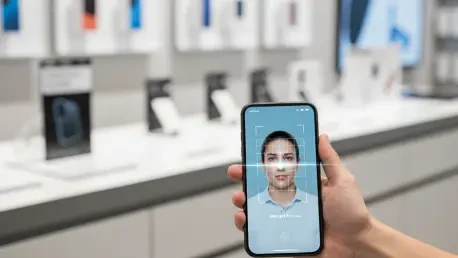
The new identity verification process is a significant expansion of previous customer authentication protocols. Where consumers were once required to present a verifiable form of identification, such as a national ID card or driver’s license, the system now mandates an additional, non-negotiable step: a facial scan at the point of sale. This requirement applies to every transaction for a new SIM card or mobile line across the country. To facilitate this, South Korea’s three dominant mobile operators—SK Telecom, LG Uplus, and Korea Telecom—are leveraging a pre-existing digital identity application known as “PASS.” This app, already widely used by the public, serves as a secure digital wallet for credentials like driver’s licenses and resident registration cards. Under the new law, the functionality of the PASS app has been updated to incorporate and utilize facial biometric data, transforming it from a simple credential holder into an active tool for real-time identity verification during mobile service registration.
This integration of biometrics has ignited a firestorm of controversy, primarily centered on the erosion of personal privacy. Critics and digital rights organizations argue that the mandatory collection and use of facial data constitute a severe and disproportionate intrusion. The core fear is that this system creates a new, highly sensitive database of biometric information that could become a prime target for hackers or be misused by authorities. Every time an individual purchases a SIM card, their identity and biometric data are logged, effectively creating a traceable record of their communications access. Many perceive this as a direct “attack” on their privacy, forcing them to surrender sensitive personal information in exchange for an essential service. The public is now grappling with a fundamental question: is the government’s promise of enhanced security from financial scams worth the permanent establishment of a system that could pave the way for unprecedented levels of surveillance and data collection?
An Uncertain Precedent for Digital Identity
The implementation of the mandatory facial recognition law marked a pivotal moment in the nation’s approach to digital security and civil liberties. The government’s actions, though rooted in the legitimate desire to protect citizens from pervasive financial fraud, ultimately forced a difficult conversation upon society about the acceptable limits of state authority in the digital age. The debate was no longer theoretical; it was a tangible reality for anyone needing a new phone line. The core tension that emerged was between the promise of a safer digital environment and the establishment of an infrastructure that many feared could be easily repurposed for widespread surveillance. This policy created a high-value repository of biometric data, and despite official assurances of security, the memory of the 2024 data breaches left a lingering public skepticism about the ability of any system to remain impenetrable indefinitely. The decision had set a powerful precedent, one that future governments could potentially build upon, raising concerns about a gradual erosion of privacy in the name of security.