
The familiar scramble for a local SIM card upon landing in a new country, a ritual marked by language barriers and confusing data plans, is rapidly becoming a relic of the past as digital-first solutions redefine what it means to stay connected globally. In a world increasingly shaped by international travel and remote work, the demand for seamless, on-demand mobile data has never been more acute. Traditional international roaming packages, often criticized for their exorbitant costs and opaque billing practices, have long been a source of frustration for consumers. This gap in the market has paved the way for a new generation of providers capitalizing on embedded SIM (eSIM) technology. By transforming mobile data from a physical product into a purely digital service, companies are now offering a level of convenience and cost-effectiveness previously unattainable, effectively eliminating the logistical hurdles that once defined global connectivity for the average user.
The Mechanics of Seamless Global Access
Redefining Connectivity through Technology
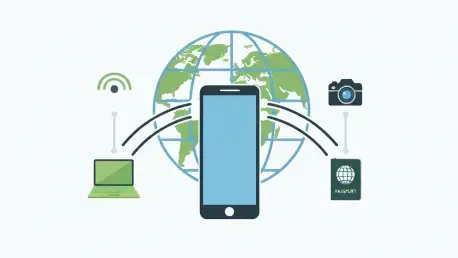
At the heart of this modern approach to global data is the embedded SIM, or eSIM, a digital-first alternative that fundamentally changes how users interact with mobile networks. Unlike its physical predecessor, an eSIM is a programmable chip built directly into a device, allowing users to download and activate a cellular plan without needing to insert a tiny piece of plastic. This innovation eradicates the common traveler’s quest for a local SIM vendor and the subsequent need to swap cards, a process that often risks losing the original SIM. Blink eSIM has further streamlined this experience by integrating the activation process into widely used platforms like WhatsApp, bypassing the need for a dedicated mobile application. Upon purchase, a user receives the necessary credentials and, upon arrival at their destination, the eSIM automatically detects and connects to a compatible local 4G or 5G network. This automated, app-free approach ensures that connectivity is available almost instantly, catering directly to the needs of a diverse audience that requires reliable, on-demand data across more than 190 countries.
The practical benefits of this technological framework extend well beyond simple convenience, directly addressing the multifaceted needs of today’s mobile consumer. For the digital nomad or remote professional, a consistent internet connection is not a luxury but a necessity for productivity. A key feature offered is hotspot sharing, which allows a single data plan to provide internet access to multiple devices, such as laptops and tablets. This capability turns a smartphone into a mobile office, a crucial advantage for those working on the go. Similarly, families traveling abroad can connect all their devices through one streamlined plan, avoiding the complexity and cost of purchasing multiple local SIMs or roaming packages. By centralizing connectivity and making it shareable, the service provides a versatile solution that adapts to various use cases, from the solo business traveler managing urgent emails to a group of tourists navigating a new city. This flexibility underscores a shift in how mobile data is perceived—less as a device-specific utility and more as a personal, portable internet bubble.
A Transparent Approach to Pricing and Flexibility
One of the most significant pain points associated with traditional international mobile data has always been unpredictable and often exorbitant costs. Horror stories of travelers returning home to multi-thousand-dollar phone bills from their carriers have made many wary of using data abroad. In direct contrast to this model, Blink eSIM introduces a transparent and competitive pricing structure designed to provide predictability and eliminate bill shock. With plans starting as low as $3 plus VAT, users can purchase data packages tailored to their specific needs and travel duration. This model operates on a pay-as-you-go basis, free from the constraints of long-term contracts or hidden fees that frequently plague conventional roaming plans. By presenting all costs upfront, the service empowers consumers to make informed decisions and manage their budgets effectively, transforming international data usage from a financial risk into a manageable expense. This approach not only builds trust but also makes global connectivity accessible to a broader range of users who might otherwise disable their mobile data entirely while traveling.
Broader Implications for the Mobile Industry
The Inevitable Shift Toward Digital Services
The rise of platforms like Blink eSIM is not an isolated phenomenon but rather a reflection of a significant, industry-wide migration toward eSIM adoption. Major device manufacturers are increasingly integrating eSIM functionality into their flagship smartphones, tablets, smartwatches, and other wearables. This hardware evolution is creating a fertile ground for digital-first service providers, effectively rendering the physical SIM card an outdated technology. As consumers become more accustomed to the convenience of downloading a cellular plan with a few taps, the logistical infrastructure built around producing, packaging, and distributing plastic SIM cards becomes increasingly obsolete. This trend signals a fundamental re-envisioning of mobile data as a digital service rather than a physical commodity. Companies that successfully leverage this transition are well-positioned to capture the growing demand from an increasingly mobile and location-independent global workforce, which now expects connectivity to be as seamless and on-demand as any other cloud-based service they use daily.
A Sustainable Future for Connectivity
The widespread adoption of eSIM technology delivered a paradigm shift in user convenience and introduced significant environmental benefits that addressed growing concerns over electronic waste. The traditional telecommunications model relied on the mass production and distribution of plastic SIM cards, each contributing to a cycle of manufacturing, packaging, and eventual disposal. By eliminating these physical components, the eSIM model effectively dematerialized a key part of the mobile industry’s supply chain. This transition significantly reduced the carbon footprint associated with shipping and logistics while also curbing the accumulation of plastic and electronic waste in landfills. The move toward a purely digital delivery system represented a critical step in aligning the telecommunications sector with broader sustainability goals, demonstrating that technological innovation could simultaneously enhance the consumer experience and promote greater environmental responsibility for future generations.