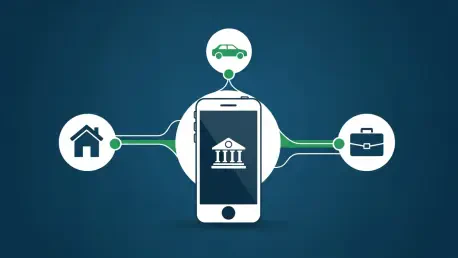

With a deep background spanning mobile gaming, app development, hardware design, and enterprise solutions, Nia Christair offers a unique perspective on the digital transformation sweeping across financial institutions. We sat down with her to discuss the pivotal moment African banking has reached, moving beyond simple digital access to a new era of proactive financial intelligence. Our conversation explores how institutions are leveraging data to become ‘intelligent-everywhere,’ the strategies for building customer trust in the face of significant challenges, and the operational shifts required for a truly mobile-first reality.
We’re hearing about a shift from “digital-only” to “intelligent-everywhere” banking. What specific data strategies or technologies enable this transition, and how does it change the daily customer experience? Please provide a concrete example of this intelligent approach in action.
The transition from “digital-only” to “intelligent-everywhere” is a fundamental change in philosophy. It’s about moving from being a reactive utility to an indispensable, proactive partner in a customer’s life. This is powered by analyzing transactional data, app usage patterns, and even location-based information to anticipate needs. The goal is to act before the customer even realizes they have a need. For instance, if a customer’s spending data shows consistent payments to a landlord and their savings are growing, the app could proactively offer a pre-approved mortgage or a high-yield savings account for a down payment. It’s about using intelligence to make the bank an integral part of daily life, not just a place to check a balance.
Banking apps are becoming hubs for services like automated loans and micro-insurance. How do institutions use data to anticipate a customer’s need for these products, and what steps are crucial to ensure these proactive offers feel helpful rather than intrusive? Share some metrics for success.
Institutions are leveraging data to create a holistic financial profile of each user, which allows them to time their offers perfectly. By analyzing income flows, spending habits, and life events inferred from transactions, a bank can identify the precise moment a customer might need a small loan for a business expense or micro-insurance for a new device. The key to making these offers feel helpful is relevance and control; the suggestions must be genuinely beneficial and easy to dismiss. Success isn’t just measured by the uptake of these products, but by increased engagement and the customer viewing the bank as a trusted advisor. When you see customers actively using these integrated services rather than seeking them elsewhere, you know you’ve built an indispensable platform.
Considering obstacles like uneven connectivity, SIM-swap fraud, and limited digital literacy, what are the most effective strategies banks are using to build customer trust? Could you walk us through the practical steps of a successful initiative that balanced security with accessibility in a rural community?
Building trust in these environments requires a multi-layered approach that addresses both technology and human factors. You can’t just deploy an app and expect it to work. A successful initiative in a rural area would involve designing an app that functions in low-bandwidth conditions and incorporates security measures beyond SMS verification to counter SIM-swap fraud, such as biometrics or device-based authentication. Crucially, this technology must be paired with on-the-ground digital literacy programs to educate users on identifying phishing attempts and securing their accounts. This blend of accessible technology and direct community engagement shows a genuine commitment to security, which is the cornerstone of trust.
With mobile devices now driving at least 75% of online banking traffic, how must institutions redesign their service strategies for a mobile-first reality? Beyond the user interface, what operational changes are needed to effectively manage diverse savings, credit, and insurance needs entirely through a mobile handset?
When mobile accounts for three-quarters of your traffic, you have to fundamentally rethink your entire operation. It’s not just about having a good-looking app; it’s about ensuring every single service—from opening a multi-currency account to applying for a loan or filing an insurance claim—is designed from the ground up to be completed on a mobile device. This requires deep operational changes, including automating underwriting processes, digitizing all documentation, and integrating real-time customer support within the app. The mindset must shift from viewing the mobile app as a channel to seeing it as the bank itself. This is a massive pivot, especially for institutions built on branch-based models.
What is your forecast for mobile banking in Africa over the next five years?
My forecast is that mobile banking in Africa will accelerate its evolution from a transactional tool to the primary engine of financial intelligence and economic development for the continent. We’re already seeing a major shift where over half of banks surveyed across 40 countries report that more than 40% of their customers are digitally active. In the next five years, I expect this to deepen significantly. The focus will be less on basic access and more on hyper-personalized, AI-driven financial guidance, making banks proactive partners that help customers manage their entire financial lives—savings, credit, and insurance—seamlessly from their handsets. Mobile will not just be a part of the financial system; it will become its central, driving force.