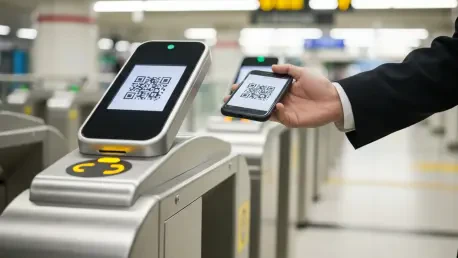

The daily commute for millions in Taipei has been fundamentally transformed as the city launches a sweeping technological overhaul of its public transportation payment systems, signaling a decisive shift toward a more modern and cardless future. At the heart of this initiative is the recent activation of QR code-based mobile payments across the entire 117-station Metro network. This monumental transition, the culmination of a two-year, NT$450 million (approximately US$14.4 million) infrastructure project to replace or upgrade nearly 1,400 entry and exit gates, now allows commuters to seamlessly pass through turnstiles by simply scanning a code generated within a smartphone application. This move not only eliminates the long-standing reliance on physical transit cards but also sets a sophisticated stage for an even more advanced and integrated commuter experience, redefining urban mobility for one of Asia’s most dynamic capitals. The project’s scale and successful implementation suggest a meticulously planned strategy aimed at future-proofing the city’s transit infrastructure against the rapid pace of technological change.
A Multi-Layered Technological Leap
Forging a Digital Alliance
The immediate success and accessibility of Taipei’s new QR code payment system are rooted in an extensive and strategic alliance forged between transit authorities and the financial technology sector. From its very first day of operation, the system offered compatibility with a diverse array of popular electronic payment providers, ensuring that a large segment of the population could adopt the new method without friction. Commuters can utilize widely used services such as Easy Wallet, iPASS MONEY, icash Pay, and JKO Pay, reflecting a deliberate effort to cater to existing consumer preferences rather than forcing users onto a single, proprietary platform. This broad-based support from the e-payment industry is crucial, as it lowers the barrier to entry and encourages rapid adoption. By integrating multiple established payment ecosystems, Taipei Metro has effectively created a user-centric network that prioritizes convenience and choice, a critical factor in the successful modernization of essential public services on such a massive scale.
This digital coalition extends deep into the foundational levels of the financial industry, showcasing a truly collaborative approach to innovation. Beyond the consumer-facing payment apps, the system is robustly supported by nine different financial institutions, all integrated through the unified TWQR platform. This underlying architecture is a testament to a coordinated national effort to create a versatile and widely accepted payment standard for public transit, moving beyond fragmented, city-specific solutions. The ecosystem is also designed for future growth, with plans for LINE Pay Money to join the network in March following the completion of its system development and testing. This expandability ensures that the platform can continue to evolve, incorporating new partners and technologies as they emerge. The strategic decision to build a cooperative, open-ended framework rather than a closed system positions Taipei’s transit payment infrastructure as a scalable and resilient model for other cities to follow, demonstrating the power of public-private partnership in driving smart city evolution.
The Roadmap to a Cardless Future
While the launch of QR code payments marks a significant achievement, it is merely the first phase of a more ambitious, multi-stage technological roadmap designed to completely modernize the commuter experience. The next major upgrade, eagerly anticipated by many, is the introduction of full-fledged contactless credit card payments, which will enable true “tap-and-go” functionality at the gates. This second phase is scheduled for a comprehensive rollout in July, following a rigorous six-month testing and verification period currently being led by Taishin Bank in close collaboration with major international card organizations. This development will further simplify the payment process, catering to international tourists and local residents who prefer using their credit cards for daily transactions. The meticulous, phased approach underscores the transit authority’s commitment to ensuring system stability and security before each new feature is made available to the public, balancing the push for innovation with the need for unwavering reliability in a high-volume transit environment.
A crucial nuance of this upcoming contactless payment phase lies in the distinct user experiences that will be offered across different mobile operating systems, a detail that commuters will need to be aware of. According to Huang Huang-hsien, the deputy director of Taipei Metro’s station affairs department, iPhone users are set to benefit significantly from Apple Pay’s “Express Transit” feature. This advanced technology will permit exceptionally seamless entry, as users will not be required to wake or unlock their devices to pass through the gates; a simple tap of the phone is all that will be needed. In contrast, users of Android-based payment systems such as Google Pay and Samsung Pay will still need to perform the extra step of unlocking their phones before tapping to pay. This difference stems from inherent system-level variations between the mobile platforms. While a minor detail, it represents a key distinction in convenience and speed that will directly impact the daily routines of millions of Android users throughout the city.
Redefining the Urban Commute
Unifying the Transit Network
The impact of this technological modernization extends far beyond the subterranean tunnels of the metro, creating a more cohesive and integrated public transportation network across the entire city. In a coordinated move, Taipei’s extensive public bus system also began accepting QR code payments on the very same day as the metro launch. Initially, this service supports five of the major electronic payment providers, allowing commuters to use the same mobile wallet for both their train and bus journeys. This synchronized rollout is a critical component of the city’s broader strategy to streamline urban mobility, eliminating the need for separate payment methods or cards for different modes of transport. By unifying the payment infrastructure, city officials are not only enhancing convenience but also laying the groundwork for more sophisticated data analytics and service planning, which can lead to more efficient routes and better resource allocation across the whole transit ecosystem in the future.
Recognizing that the successful adoption of new technology hinges on user understanding, public officials have placed a strong emphasis on proactive communication and education to ensure a smooth transition for all commuters. Liu Kuo-chu, Chief of the Planning and Development Division at the Taipei City Public Transportation Office, issued a critical advisory specifically for bus passengers. He urged users to be mindful of selecting the correct “Transit QR Code” option within their payment applications before boarding. He warned that attempting to use a general retail payment code, which is often the default option for in-store purchases, will result in a failed transaction and could cause delays for both the individual and other passengers. This targeted guidance highlights the practical challenges inherent in a large-scale technological shift and demonstrates the city’s commitment to addressing potential friction points head-on. By clearly communicating the necessary steps, officials aim to minimize user error and build public confidence in the new, unified digital payment system.
The Inevitable Digital Transition
This comprehensive expansion of mobile payments into the public transit sector is viewed by industry experts as a logical and essential step in the city’s evolution. According to Chiu Yu-chun, Dean of the College of Management at National Yang Ming Chiao Tung University, the initiative represents a “natural progression” that directly reflects established and growing consumer habits. He asserts that the broader societal shift away from physical cash and cards toward seamless digital transactions is an “irreversible” trend. In this context, integrating public transportation into the existing digital payment ecosystem is not just an upgrade but a necessity for a modern metropolis. Chiu frames the QR code launch not as an isolated technological event, but as a pivotal moment in the development of Taipei’s smart city infrastructure. It signals a deeper alignment between public services and the digital lifestyles of its citizens, ensuring that the city’s most critical systems remain relevant and efficient in a rapidly changing world.
Looking beyond the immediate convenience, this technological integration is poised to fundamentally alter the relationship between commuters, data, and urban mobility. Chiu Yu-chun predicts a future characterized by a much deeper integration of personal data with payment and mobility services, a convergence that he believes will ultimately “reshape how Taiwan’s urban commuters travel and pay.” This evolution could pave the way for highly personalized transit services, such as dynamic pricing based on travel patterns, integrated loyalty programs that span retail and transport, and real-time travel recommendations tailored to individual schedules. While such a future raises important questions about data privacy and security, the potential to create a more efficient, responsive, and user-centric urban environment is immense. The current QR code system serves as the foundational layer upon which these more advanced, data-driven smart city applications will be built, marking the beginning of a new era in urban transportation.
Setting a National Benchmark
Ultimately, Taipei’s comprehensive and meticulously executed technological leap set a new and formidable benchmark for urban development across Taiwan. While the city was not the first to introduce QR code payments to its metro system, following the paths of Kaohsiung and Taichung, its later adoption was a strategic decision dictated by the sheer scale and complexity of its network. The immense daily passenger volumes and the intricate web of its 117 stations necessitated a more cautious, thorough, and robust implementation process to ensure unwavering stability from the moment of launch. This deliberate approach paid dividends, resulting in a successful and multifaceted rollout that integrated not only the metro but also the city’s bus network and a wide consortium of financial partners from day one. This achievement was not merely about catching up with technology; it was about mastering its deployment on a metropolitan scale, and in doing so, Taipei has provided a powerful new blueprint for modernizing essential public services.