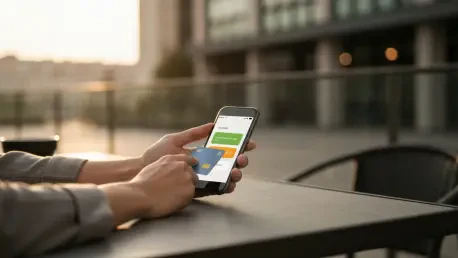

A seismic and accelerating shift in consumer behavior is fundamentally reshaping the mobile commerce landscape, steering brands away from traditional digital channels like email and, most notably, dedicated mobile applications. This evolution is not a fleeting trend but a decisive move toward a more integrated, immediate, and frictionless commerce experience that exists directly within the smartphone’s native messaging inbox and mobile wallet functionalities. Driven by an insatiable consumer demand for convenience and simplicity, this transformation is forcing a complete reevaluation of how brands discover, engage, and ultimately transact with their customers. The companies that recognize and adapt to this new paradigm, where the path of least resistance is king, are positioning themselves to thrive, while those clinging to outdated, app-centric models risk becoming obsolete in an increasingly messaging-first world.
The Inbox Becomes the New Storefront
From Promotion to Point of Sale
The smartphone messaging inbox has successfully transitioned from a channel used for simple notifications and promotional blasts into a fully-fledged and highly effective transactional platform. This is no longer a theoretical possibility but a current, mainstream reality, substantiated by compelling consumer data showing that a significant majority, 78%, have at some point made a direct purchase initiated from a brand’s SMS or MMS message. More importantly, this is a consistent and sustained pattern of behavior, with 65% of consumers reporting they have completed such a purchase within the last year alone. This data unequivocally confirms that text-based messaging has matured into a robust point of sale, demanding a strategic pivot from businesses. For brands, this signifies a critical imperative to optimize the entire customer journey, drastically shortening the path from a message-based offer to a completed conversion and treating the messaging inbox with the same strategic importance as a physical or digital storefront.
This evolution requires a fundamental change in how businesses approach their mobile strategy, moving beyond simple link-based calls to action and toward fully integrated transactional experiences within the messaging thread itself. The high open and engagement rates inherent to SMS provide a powerful foundation, but the true opportunity lies in leveraging this immediacy to drive direct revenue. This involves integrating payment solutions that allow for seamless checkouts, utilizing rich media to showcase products effectively, and personalizing offers based on past purchase behavior. The brands that master this direct-to-consumer messaging approach can create a powerful flywheel effect, where the convenience of the transaction encourages repeat purchases and strengthens customer loyalty. Recognizing the messaging inbox as a primary sales channel is the first step toward unlocking its immense potential for driving conversions and building a more direct, intimate relationship with the modern consumer.
Texting’s Triumph Over Email and Apps
In a landmark shift that has been years in the making, text messaging has now officially surpassed email as the consumer’s preferred channel for redeeming offers and promotions. The data reveals a clear and definitive preference, with 41% of consumers favoring text messages for redemptions, compared to 39% for email. Dedicated mobile apps, once seen as the pinnacle of brand engagement, lag significantly behind at just 20%. This milestone represents a pivotal change in consumer priorities, where the immediacy and convenience offered by text messaging now hold more sway than the legacy platforms and established habits associated with email. The insight for businesses is unambiguous: they must meet consumers in the channels they already frequent and overwhelmingly prefer. The incredibly low friction involved in redeeming an offer directly from a text—without the need to search a cluttered email inbox or download, open, and navigate a separate application—has become a key competitive differentiator in the crowded digital marketplace.
This consumer preference is rooted in the inherent design of mobile communication, where text messages are immediate, highly visible, and demand less cognitive load to process. Unlike email, which often becomes a repository for newsletters and lower-priority communications, an SMS notification commands instant attention. Furthermore, the issue of “app fatigue” is a major contributing factor to the decline of mobile apps for simple transactional tasks. Consumers are increasingly selective about which brands earn a permanent space on their home screens, and the process of downloading an app for a one-time offer is seen as an unnecessary barrier. In contrast, text messaging is a universal, native function on every smartphone, requiring no extra effort from the user. This inherent accessibility, combined with its high engagement rates, solidifies text messaging’s position as the superior channel for driving immediate action and maximizing offer redemption rates.
The New Toolkit for a Messaging-First Strategy
RCS The App Like Experience Without the App
Rich Communication Services (RCS) is rapidly emerging as the next major growth engine in mobile commerce, poised to elevate the messaging experience far beyond the capabilities of standard SMS. There is a strong and clear consumer appetite for this richer, more interactive messaging format, with an overwhelming 81% of consumers stating they prefer RCS over standard text messages. This preference is rooted in the enhanced capabilities of RCS, which allows for a more dynamic and visually compelling experience directly within the native messaging app. Consumers have specifically expressed enthusiasm for features like integrated product carousels that allow them to browse and select items, the inclusion of high-quality images and videos that better showcase products, and the ability to see typing indicators and read receipts, which adds a layer of trust and interactivity to the conversation. RCS is therefore positioned not just as an incremental upgrade to SMS, but as a transformative technology that allows brands to create immersive, app-like experiences without requiring the customer to download anything.
The strategic advantage of RCS lies in its ability to combine the reach and immediacy of SMS with the rich functionality of a dedicated mobile application. For businesses, this opens up a new frontier for engagement and conversion. Imagine a customer receiving a message about a new product line and being able to scroll through a high-resolution carousel, view a demonstration video, select a color, and complete the purchase, all without ever leaving their messaging inbox. This streamlined journey dramatically reduces friction and is likely to lead to higher conversion rates. Beyond sales, RCS can also be used to enhance customer service with features like suggested replies and integrated appointment scheduling. As this technology becomes more widely adopted by carriers and device manufacturers, it will become an essential tool for brands looking to deliver innovative, engaging, and highly convenient mobile experiences that drive both revenue and customer satisfaction.
Mobile Wallets as the Core of Customer Loyalty
The adoption of mobile wallets for managing offers, coupons, and loyalty cards has accelerated into the mainstream, fundamentally changing how consumers interact with brands. This technology is no longer a peripheral feature for early adopters but has become a core expectation and a critical tool for fostering ongoing customer engagement. The data shows a dramatic surge in consumer willingness to engage with brands that leverage this technology, with 76% of consumers now stating they are “much more likely” to interact with brands that provide mobile wallet options for their offers and coupons. This represents a substantial increase from just 60% in the previous year. A nearly identical trend was observed for loyalty programs, with 75% of consumers expressing a similar preference for brands offering mobile wallet-based loyalty cards. This rapid shift indicates that integrating with platforms like Apple Wallet and Google Wallet is now essential for creating a frictionless and modern customer experience.
The power of the mobile wallet extends far beyond the simple convenience of storing a digital coupon. When a customer adds a brand’s offer or loyalty card to their wallet, it creates a persistent and dynamic communication channel directly on their device. Brands can then leverage this connection to send timely and relevant push notifications, such as reminders about expiring offers or alerts when the customer is near a physical store location. This capability turns a one-time transaction into an ongoing relationship, keeping the brand top-of-mind without being intrusive. Furthermore, the data derived from mobile wallet usage provides invaluable insights into redemption patterns and customer behavior, allowing for more effective personalization and campaign optimization. By integrating mobile wallets into their loyalty and promotion strategies, businesses can not only meet rising consumer expectations but also build a more resilient, data-driven, and engaging customer loyalty ecosystem.
The Inevitable Pivot from App Centric Models
Underpinning all of these individual trends is a broader and more profound strategic shift away from mobile apps as the primary hub for customer transactions and engagement. This movement is accelerating, with technologies like RCS and the mainstreaming of mobile wallets poised to hasten it further. The core logic behind this pivot is the consumer’s overwhelming preference for simplicity, speed, and relevance over the complexity and friction associated with dedicated, single-brand apps. The process of discovering, downloading, maintaining, and navigating a separate application for each brand creates significant barriers that consumers are increasingly unwilling to tolerate. This phenomenon, often referred to as “app fatigue,” has led to crowded home screens and a high rate of app abandonment, making it incredibly difficult for most brands to justify the significant investment required to build and sustain a successful app-centric strategy.
The 2026 mobile commerce landscape was clearly defined by the powerful convergence of direct messaging, rich media, and mobile wallet technology. This unified ecosystem had effectively supplanted the role once dominated by separate mobile applications and cluttered email inboxes. For businesses navigating this environment, the strategic takeaways were unambiguous: they had to treat messaging as a primary commerce channel, adopt RCS to meet heightened consumer expectations for rich engagement, and integrate mobile wallets as an essential tool for both loyalty programs and promotional offers. The most successful brands were those that executed a strategic reorientation away from app-centric models toward messaging-first initiatives. This alignment with clear, data-driven consumer trends allowed them to drive conversions, enhance customer engagement, and build lasting loyalty by connecting the unparalleled open rates of messaging with the measurable redemption data from mobile wallets, finally closing the loop between digital outreach and tangible consumer action.