
For many decades, the rhythmic sound of a busy call center served as the heartbeat of nonprofit fundraising, but today that sound has been replaced by the quiet, synchronized pings of mobile notifications. As of 2026, over 150 million spam calls are blocked daily in the United States alone, creating a digital fortress around potential donors that traditional telemarketing simply cannot penetrate. When an unrecognized number flashes on a smartphone screen, the instinctual reaction for most people is no longer curiosity but suspicion, often leading to an immediate decline or a silent ignore. This fundamental shift in consumer behavior has forced charitable organizations to reconsider how they initiate contact with their supporters. Rather than relying on the intrusive nature of a cold call, which demands immediate attention and disrupts the recipient’s day, modern nonprofits are turning toward peer-to-peer (P2P) messaging as a more respectful and effective alternative. This evolution is not just about changing the medium; it is about fundamentally altering the power dynamic between the organization and the individual donor.
The Evolution of Donor Engagement
Shifting From Interruption to Conversation
The transition to text-based communication represents a profound psychological shift in the relationship between a cause and its contributors. Unlike the high-pressure environment of a live phone solicitation, a text message sits unobtrusively in a donor’s inbox, waiting for a moment that is convenient for them to engage. This shift from an “interruption” model to an “invitation” model fosters a sense of agency among supporters, who appreciate the ability to respond on their own terms. Statistics indicate that approximately 68% of Americans now prefer messaging over traditional voice calls, reflecting a broader societal move toward asynchronous communication. By adopting this medium, nonprofits are demonstrating a high level of empathy for the donor’s time, which builds foundational trust. This trust is essential for long-term retention, as supporters are far more likely to remain committed to an organization that treats them with digital courtesy rather than viewing them as a contact on a script.
Humanizing these digital interactions is the cornerstone of successful P2P messaging, as it allows for a two-way dialogue that a static mailer or a pre-recorded voicemail simply cannot provide. When a volunteer sends a personalized text, it opens the door for questions, feedback, and genuine connection, transforming a transactional request into a meaningful interaction. Organizations have found that this method is particularly effective for recruiting volunteers for local events or distributing urgent updates regarding crisis relief efforts. The ability to send media, such as short video clips from the field or photos of a newly completed project, provides immediate proof of impact that resonates deeply with the recipient. This transparency bridges the gap between the donation and the result, making the donor feel like an active participant in the mission rather than just a source of capital. Consequently, the engagement rates for these interactive messages far exceed those of traditional outreach methods.
Leveraging Personalization at Scale
One of the most significant advantages of modern P2P platforms is their ability to integrate seamlessly with sophisticated Customer Relationship Management (CRM) systems to deliver highly tailored content. By utilizing data-driven insights, nonprofits can segment their audiences based on past giving history, specific interest areas, or geographic location, ensuring that every message feels relevant to the individual. For instance, a donor who consistently supports environmental initiatives will receive updates about local reforestation projects rather than generic appeals for unrelated causes. This level of precision prevents “message fatigue,” a common problem where supporters opt out of communications because they feel overwhelmed by irrelevant requests. Furthermore, personalization extends beyond just using a name; it involves acknowledging the donor’s unique journey with the organization. Whether it is a thank-you note for a giving anniversary or an invite to a special briefing, these touchpoints reinforce the donor’s value.
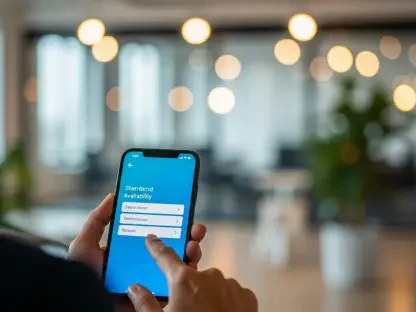
Beyond mere text, the integration of interactive elements within messaging apps has revolutionized how organizations handle logistics and call-to-action responses. Peer-to-peer messaging now often includes direct links to secure, mobile-optimized donation pages, calendar invites for upcoming town halls, or even simple poll questions to gauge supporter sentiment. This streamlined user experience removes the friction that often prevents people from completing a contribution or signing up for a shift. When the process is as simple as a few taps on a screen, the conversion rates naturally climb, providing a more predictable stream of engagement data for the nonprofit’s internal strategy teams. Additionally, the ability to track these interactions in real-time allows organizations to pivot their messaging strategies almost instantly if a particular approach is not resonating. This agility is a stark contrast to the months-long lead times required for direct mail campaigns, allowing for a much more dynamic and data-responsive approach.
Operational Impact and Strategic Implementation
Financial Gains Through Digital-First Strategies
The financial implications of moving toward a messaging-centric model are substantial, as evidenced by the recent performance of the top 30 P2P programs in the United States, which collectively raised over $1 billion. This milestone highlights a significant shift in where charitable dollars are being allocated, with digital-first initiatives increasingly outperforming traditional fundraising channels. The cost-effectiveness of P2P messaging is another critical factor; it requires fewer overhead resources compared to maintaining a large-scale call center or paying for the design, printing, and postage of physical mailers. By reallocating these saved funds back into their core programs, nonprofits can achieve a higher return on every dollar spent on acquisition. This economic efficiency is particularly vital for mid-sized organizations that may not have the massive budgets required for national television or radio campaigns. Instead, they can leverage the power of a dedicated volunteer base to send thousands of messages.
Sustaining this revenue growth requires a long-term perspective that prioritizes the lifetime value of a donor over short-term gains. Peer-to-peer messaging excels in this area by facilitating recurring gift programs and monthly giving circles through gentle, non-intrusive reminders. Instead of a jarring phone call asking for an upgrade, a simple text message can provide an easy link for a donor to adjust their monthly contribution or update their payment information. This convenience is a key driver for younger demographics, such as Gen Z and Millennials, who have grown up with mobile-first interactions and expect a high level of digital sophistication from the organizations they support. As these generations move into their peak giving years, the reliance on messaging will only become more pronounced. Organizations that successfully transition now are setting themselves up for financial stability for years to come, ensuring they have a reliable and engaged base that is ready to respond to both routine needs and unexpected emergencies.
Navigating Compliance and Ethical Boundaries
While the benefits of P2P messaging are clear, organizations must navigate a complex landscape of legal regulations and digital etiquette to maintain their reputation and avoid legal pitfalls. Adherence to the Telephone Consumer Protection Act (TCPA) is non-negotiable, requiring nonprofits to ensure they have the proper permissions to contact individuals via text. Failing to comply can result in significant fines and, perhaps more damagingly, a loss of donor trust that can take years to rebuild. Beyond legalities, there is the matter of digital etiquette, which involves being mindful of the timing and frequency of messages. Sending texts during late hours or saturating a supporter’s inbox with too many requests can lead to high opt-out rates and permanent blocks. A disciplined strategy involves setting clear internal guidelines on how often to contact different segments and ensuring that every message provides genuine value. This balance between staying top-of-mind and being a nuisance is a fine line.
The human element remains the ultimate safeguard against the perception of spam or automated solicitation. Even when using software to facilitate the sending of thousands of texts, the content must remain authentic and personal, reflecting the voice of a real person on the other end. This authenticity is maintained by training volunteers and staff members on how to respond to common questions and how to handle delicate conversations with grace. When a donor replies to a text, they expect a human response, not a pre-scripted bot message that fails to address their specific concerns. Investing in this human-centric infrastructure ensures that the technology serves as an enhancer of relationships rather than a replacement for them. By prioritizing these ethical and authentic practices, nonprofits create a sustainable ecosystem where messaging is seen as a welcome point of contact. This strategic commitment to quality over quantity protects the integrity of the organization’s brand and ensures the mobile inbox remains a viable channel.
The transition from traditional cold calling to peer-to-peer messaging proved to be a defining moment for the nonprofit sector as it sought to remain relevant in a rapidly changing digital landscape. Successful organizations moved beyond basic text blasts by integrating their messaging platforms with robust donor data to create highly specific and personal outreach strategies. This evolution required a significant shift in internal culture, prioritizing the long-term health of the donor relationship over the immediate pressure of meeting a single campaign goal. Leaders in the field focused on establishing clear compliance protocols and investing in volunteer training to ensure that every digital interaction remained human and respectful. To build on this progress, nonprofits should have conducted a thorough audit of their current communication channels to identify where they could have introduced more personal touchpoints. They also needed to explore new multimedia capabilities to better illustrate their impact. By embracing these mobile-first strategies, organizations ensured they remained connected.