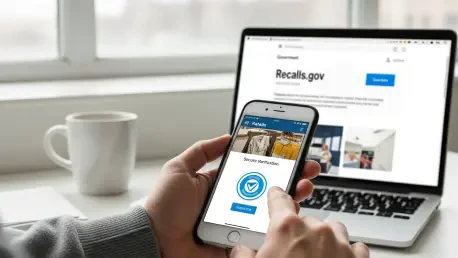

The sudden buzz of a smartphone often signals a routine update or a message from a friend, but for millions of shoppers in 2026, it has become the front line of a sophisticated financial battlefield. Sophisticated cybercriminals are now refining a deceptive technique known as “smishing”—SMS-based phishing—that exploits the deep-seated trust consumers place in retail giants like Amazon, Walmart, and Costco. By masquerading as urgent safety alerts regarding product recalls, these fraudulent text messages bypass traditional skepticism by tapping into a person’s fundamental concern for their family’s well-being. Unlike generic spam, these messages are often meticulously timed to coincide with high-volume shopping periods, making the claim of a recent purchase seem statistically plausible and dangerously convincing to the average recipient.
The Mechanics of Modern Retail Fraud
How Deceptive Links Lead to Financial Loss
The technical execution of these scams begins when a recipient interacts with a carefully crafted hyperlink embedded within the fraudulent text message. These links do not lead to an official retail portal but instead redirect the user to a high-fidelity spoofed website that mirrors the aesthetic and interface of a legitimate company like Amazon. Once on this controlled platform, the victim is prompted to provide sensitive data, such as bank account numbers, credit card details, or Social Security information, under the guise of verifying their identity to process a “mandatory refund.” The psychological pressure of the situation, often framed as a time-sensitive safety matter, prevents many users from noticing subtle discrepancies in the URL or the site’s security certificates. Consequently, the data is captured in real-time by the attackers, who quickly initiate unauthorized transfers.
Beyond the immediate theft of funds, the information harvested through these fake recall portals often serves as the foundation for long-term identity theft operations. Criminal networks may bundle this stolen data with other leaked information to open fraudulent credit lines or conduct secondary social engineering attacks against the victim’s other financial accounts. The efficiency of this method is bolstered by the sheer volume of legitimate e-commerce transactions occurring daily; because such a vast segment of the population regularly orders household goods online, the scammers can cast a wide net with a high probability of hitting an active customer. This strategic alignment with consumer habits ensures that even a small percentage of successful deceptions results in significant illicit revenue for organized crime groups operating across international borders.
The Psychology Behind Urgency and Fear
The effectiveness of a product recall scam is rooted in its ability to trigger a “fight or flight” emotional response, which effectively shuts down the brain’s critical thinking faculties. Scammers often use terrifyingly specific language, alleging that a recently purchased baby sleepsuit is a fire hazard or that a kitchen appliance is prone to exploding. By focusing on items that involve physical safety or the protection of children, the bad actors ensure that the recipient feels a moral and immediate obligation to act. This sense of manufactured crisis is designed to prevent the consumer from taking a “radical pause” to investigate the claim. When an individual believes their home or loved ones are in imminent danger from a defective product, the impulse to resolve the issue by clicking a link often overrides the standard digital hygiene practices learned over years.
Furthermore, these campaigns utilize a tactic known as “contextual relevance” to increase their success rate during specific times of the year. During the transition between seasons or following major sales events, shoppers are already expecting communications regarding their orders, making a surprise recall notice feel like a natural, albeit unwelcome, part of the consumer experience. Scammers might even reference vague dates, such as an “order from December,” knowing that the probability of someone having made a purchase in that window is nearly certain. This blending of truth and fiction creates a powerful illusion of legitimacy. As these emotional triggers become more refined, the distinction between a helpful corporate safety warning and a predatory phishing attempt becomes increasingly blurred, requiring consumers to maintain a state of constant, high-level vigilance against their own instinctive reactions.
Verifying Authentic Communications
Official Protocols of Retail Giants
To combat the rising tide of impersonation fraud, major retailers have established rigid communication protocols designed to distinguish their legitimate safety alerts from criminal activity. Amazon, for instance, has repeatedly clarified that while they do issue product recalls, they never solicit sensitive financial data or bank account details through a simple text message. Instead, the company utilizes a multi-layered verification system that includes direct emails from verified domains, push notifications delivered through the official mobile application, and a centralized hub known as the “Your Recalls and Product Safety Alerts” page. By centralizing these notices within the authenticated user account, the company ensures that any necessary action—such as processing a refund or downloading return labels—takes place within a secure, encrypted environment that is protected by the user’s existing login credentials.
Walmart and other large-scale retailers follow a similarly disciplined approach to consumer protection and product safety. When a manufacturer issues a recall, Walmart’s primary response is to immediately remove the affected inventory from physical and digital shelves and then notify verified purchasers through their registered contact information, typically via email. These organizations emphasize that they will never pressure a customer into providing a credit card number over an unverified SMS link to “receive” a refund. Retailers have also become more aggressive in their legal responses, partnering with international law enforcement agencies to dismantle the infrastructure used by these fraud networks. Consumers are encouraged to utilize “report a scam” tools provided by these companies, which helps security teams identify new phishing domains and block them at the service provider level before they can reach a wider audience.
Defensive Strategies and Expert Advice
Security experts from the AARP Fraud Watch Network and Consumer Reports suggest that the most effective defense against smishing is a policy of total non-engagement with unsolicited text links. If a message arrives claiming that a product is unsafe, the safest course of action is to close the messaging app and manually navigate to the retailer’s official website or app to check for notifications. This “out-of-band” verification ensures that the consumer is interacting with the legitimate entity rather than a fraudulent mirror. Additionally, shoppers should be wary of any message that uses overly dramatic language or creates a high-pressure environment. Authentic corporate communications are typically professional, transparent, and provide a clear path for verification that does not involve immediate data entry on an external, third-party website.
Beyond individual caution, there is a growing movement toward community-based reporting to provide a collective defense against these evolving threats. When a consumer identifies a “near miss”—a scam attempt that they successfully spotted and ignored—reporting that interaction to the Federal Trade Commission (FTC) or the state’s Attorney General provides vital data for tracking criminal trends. These reports allow authorities to issue public warnings and coordinate with telecommunications companies to filter out malicious sender IDs. In a landscape where technology allows scammers to automate thousands of messages per second, the speed of reporting becomes a critical factor in limiting the damage. By treating every suspicious text as a potential data breach attempt, consumers can move from being passive targets to active participants in the broader ecosystem of digital security and fraud prevention.
Official Resources for Safety Verification
Utilizing Government Databases for Certainty
For consumers seeking an absolute source of truth regarding product safety, bypassing retail communications entirely and consulting federal databases is the most reliable strategy. The U.S. Consumer Product Safety Commission (CPSC) serves as the primary clearinghouse for information on general consumer goods, offering a searchable database of every official recall issued in the country. Similarly, the Food and Drug Administration (FDA) handles all safety alerts related to medications, cosmetics, and food products, while the National Highway Traffic Safety Administration (NHTSA) manages recalls for vehicles and child safety seats. These agencies provide objective, factual information that is free from the hidden agendas of scammers. By checking these sources directly, a consumer can confirm within seconds whether a specific item in their home is truly under a safety advisory or if the text message they received was a fabrication.
In addition to individual agency sites, the federal government provides a consolidated portal at Recalls.gov, which aggregates data from six different regulatory bodies to provide a comprehensive safety overview. This centralized resource is particularly valuable because it eliminates the need for consumers to guess which agency oversees a specific product category. Utilizing these official channels ensures that the information received is accurate and that any necessary remediation steps are handled through authorized manufacturers rather than third-party links. In an era where digital impersonation is becoming increasingly seamless, relying on primary government data remains the only foolproof method for verifying the legitimacy of a safety claim. This proactive approach not only protects a household’s financial health but also ensures that genuine safety risks are addressed through the correct, legally mandated channels for repair or replacement.
Future Considerations for Digital Protection
As the landscape of retail fraud continues to shift, the burden of security is increasingly shared between the consumer, the corporation, and the government. Looking toward the future, the integration of more robust AI-driven filtering at the carrier level may help reduce the volume of smishing messages, but it will never replace the need for an informed and skeptical public. Consumers should consider implementing multi-factor authentication (MFA) on all retail and financial accounts to provide an extra layer of protection in the event that their credentials are accidentally compromised. Furthermore, staying educated on the latest social engineering tactics is essential, as scammers will likely pivot to new themes once the recall narrative loses its effectiveness. Education remains the most potent tool in the arsenal of the modern shopper, transforming potential victims into savvy navigators of the digital marketplace.
The rise of recall-based phishing scams serves as a stark reminder that criminals will always seek to exploit the intersection of technology and human emotion. To remain safe, shoppers must adopt a mindset that prioritizes verification over convenience and official channels over unsolicited shortcuts. By utilizing the specific tools provided by retailers and the comprehensive databases maintained by federal regulators, individuals can effectively neutralize the threat posed by these deceptive campaigns. Protecting one’s financial identity in 2026 requires more than just strong passwords; it demands a fundamental shift in how people perceive and respond to the urgent digital notifications that populate their daily lives. Through a combination of technical safeguards and analytical skepticism, the public can ensure that the convenience of online shopping does not come at the cost of personal security.