
The traditional landscape of retail marketing has undergone a radical transformation as mobile devices evolve from secondary screens into the primary engines of consumer commerce. Recent data indicates that for the first time in a decade, text messaging has officially dethroned email as the most effective and preferred channel for jewelry brands to distribute promotional offers and engage with their clientele. This shift is particularly evident in the luxury sector, where the immediacy of mobile notifications resonates more deeply with modern shoppers than the cluttered environments of traditional inboxes. As consumers increasingly prioritize speed and convenience, the ability to receive a curated discount or a high-resolution image of a diamond necklace directly on a lock screen has become a decisive factor in the purchasing journey. This transition signifies more than just a change in technical medium; it represents a fundamental realignment of how retail relationships are built and sustained in a mobile-centric economy.
The Evolution of Mobile Commerce and Consumer Preferences
The efficacy of direct messaging platforms like SMS and MMS has reached an all-time high, with current statistics revealing that approximately seventy-eight percent of consumers have completed a purchase directly influenced by a text message. Unlike email marketing, which often suffers from low open rates and long delays in visibility, mobile messaging provides a nearly instantaneous connection between a brand and its audience. For jewelry retailers, this immediacy is invaluable, especially when launching limited-time collections or seasonal sales that require rapid consumer response. The direct nature of a text message creates a sense of exclusivity and urgency that email struggles to replicate, fostering a more intimate connection with the brand. Furthermore, the high conversion rates observed in mobile campaigns suggest that shoppers are no longer hesitant to conduct high-value transactions through their smartphones, provided the communication is timely, relevant, and visually appealing to their aesthetic preferences.
Parallel to the rise of text-based marketing is the widespread adoption of mobile wallet technology, such as Apple Pay and Google Pay, which has fundamentally changed the checkout experience. Roughly seventy-six percent of shoppers now express a strong preference for brands that integrate mobile wallet coupons, finding them significantly easier to manage than traditional paper or emailed barcodes. This preference extends to digital loyalty cards, which seventy-five percent of consumers favor over physical alternatives. For the jewelry industry, these tools serve as a critical bridge between digital discovery and the tactile experience of a physical showroom. When a customer receives a digital coupon through a text and saves it to their mobile wallet, the brand gains a persistent presence on the device. This integration not only facilitates online sales but also encourages foot traffic, as the proximity-based alerts associated with mobile wallets can remind a customer of their saved offer as they walk past a storefront or visit a local center.
Leveraging Advanced Messaging for Luxury Brand Storytelling
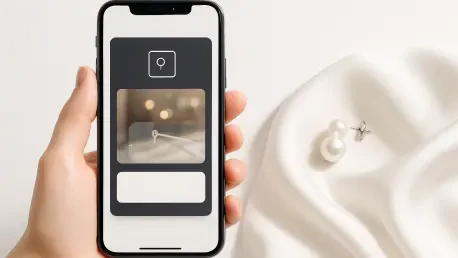
The transition toward Rich Communication Services, or RCS, represents a significant upgrade for jewelry marketers who require more than what standard SMS can provide. RCS allows for the transmission of high-resolution imagery and interactive product carousels, which are essential for showcasing the intricate craftsmanship and brilliance of luxury items like engagement rings or high-end watches. By utilizing these advanced features, retailers can provide a visual depth that was previously reserved for dedicated mobile applications or high-end websites. Additionally, the “verified sender” status inherent in RCS provides an extra layer of security and trust, reassuring customers that they are interacting with a legitimate brand rather than a fraudulent actor. Data suggests that RCS campaigns achieve engagement rates three times higher than traditional text messaging, making it a superior medium for storytelling. This capability allows jewelers to convey the heritage and artistry of their pieces, effectively moving the customer from curiosity to a purchase.
Retailers who successfully navigated this shift recognized that mobile strategies functioned best when they enhanced the physical shopping experience rather than attempting to replace it. Those who prioritized personalized, visual communication via text messaging were able to deliver targeted offers directly to the mobile wallets of their most loyal customers. The implementation of these tools allowed jewelry houses to build stronger brand loyalty by meeting shoppers exactly where they spent the majority of their time. Strategic investments in RCS technology provided the necessary visual fidelity to market high-ticket items, ensuring that the luxury brand image remained intact even on a smaller screen. Moving forward, the most effective path involved a seamless integration of digital discovery and in-store finishing touches. By allowing customers to browse high-quality media on their devices before visiting a showroom, businesses created a cohesive journey that maximized both convenience and personal service. Ultimately, these mobile-first adaptations became a vital necessity for maintaining a competitive edge.