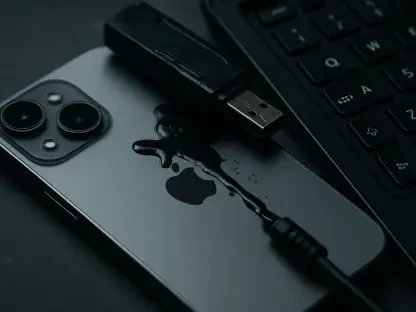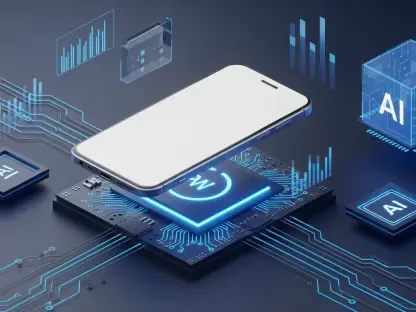

The sheer sophistication of modern digital surveillance has transformed the average smartphone into a potential tracking device for those targeted by high-level state actors and mercenary organizations. Since its debut, Apple’s Lockdown Mode has served as a digital fortress designed to protect the most vulnerable users, including journalists, activists, and government officials, from the prying eyes of specialized spyware. This feature represents a radical shift in security philosophy, moving away from reactive patches toward a proactive, “extreme” hardening of the mobile environment that prioritizes safety over standard functionality.
This article explores the current state of Apple’s security claims, examining whether this specialized defense mechanism has truly remained unbreached after several years of public availability. Readers can expect an analysis of how the technology works, its real-world effectiveness against famous exploits like Pegasus, and the evolving tactics used by attackers to circumvent these defenses. By understanding the balance between user convenience and maximum protection, one can better evaluate the necessity of such rigorous security measures in an increasingly hostile digital landscape.
Key Questions: Understanding the Shield
What Is Lockdown Mode and How Does It Function?
In the current landscape of 2026, mobile security is no longer just about passwords and face recognition; it is about reducing the physical and digital avenues through which a device can be compromised. Lockdown Mode functions by drastically minimizing the “attack surface” of an iPhone or Mac, which refers to the total number of entry points an attacker could exploit. When enabled, the system restricts complex web technologies, disables certain message attachments, and blocks incoming FaceTime calls from unknown contacts, effectively turning a versatile multimedia device into a highly restricted, secure communication tool.
The technical brilliance of this approach lies in its aggressive suppression of WebKit features and JavaScript optimizations that are frequently used in “zero-click” attacks. These particular exploits are the crown jewels of mercenary spyware because they require no action from the user to infect a device. By removing the code responsible for these complex processes, Apple essentially deletes the pathways that hackers rely on, making it mathematically and technically harder for malicious payloads to find a foothold in the operating system.
Has Any Spyware Actually Bypassed This Protection?
Despite the relentless efforts of private surveillance firms like the NSO Group and Intellexa, Apple maintains that there has not been a single documented case of a successful mercenary spyware infection on a device with Lockdown Mode active. This claim is supported by independent research from organizations like the University of Toronto’s Citizen Lab, which has tracked various attempts to breach the system. While standard iOS configurations have been compromised by sophisticated tools, the hardened state of Lockdown Mode has consistently held firm against the most expensive exploit chains currently in existence.
Evidence from recent years suggests that the feature does more than just block attacks; it serves as a powerful deterrent. Security researchers have observed instances where spyware was programmed to detect the presence of Lockdown Mode and immediately self-terminate to avoid detection. Because developing a bypass for such a restricted environment is incredibly costly, attackers are often unwilling to risk exposing their valuable “zero-day” exploits to Apple’s security teams, preferring instead to abandon the target rather than lose their technological advantage.
What Are the Practical Tradeoffs for the User?
While the security benefits are indisputable, the user experience under Lockdown Mode is far from seamless, as the feature intentionally breaks many of the “smart” functions people take for granted. Users will find that web browsing feels slower and less interactive, shared albums are disabled, and many types of file previews in messages are blocked until the user manually approves them. This friction is a deliberate design choice, reflecting a security model where every automated process is viewed as a potential vulnerability that must be neutralized.
However, for individuals at high risk of being targeted by government-grade surveillance, these inconveniences are a small price to pay for the assurance of privacy. The consensus among cybersecurity veterans is that the feature has successfully shifted the economic balance of digital warfare. By making it significantly more difficult and expensive for state-sponsored actors to reach their targets, Apple has created a protective layer that is effective not because it is perfect, but because it makes the cost of failure too high for the adversary to ignore.
Summary: A Milestone in Digital Defense
The persistence of Apple’s claims regarding the integrity of Lockdown Mode highlights a rare victory for defensive technology in the ongoing arms race against mercenary spyware. By systematically stripping away the complexity of the operating system, the company has managed to invalidate entire categories of exploits that once plagued high-profile users. While no system can ever be declared permanently unhackable, the lack of successful breaches over the past few years suggests that “hardening” is a viable path forward for protecting civil liberties.
The main takeaway remains that specialized security requires a departure from standard consumer expectations. The effectiveness of this mode was rooted in its ability to force attackers into a position where their tools became either useless or too risky to deploy. For further exploration of this topic, one might investigate the technical reports provided by digital rights watchdogs or review the latest security white papers detailing the evolution of WebKit protections and memory safety.
Conclusion: The Path Toward Resilient Privacy
The success of these extreme security measures served as a wake-up call for the entire tech industry, demonstrating that privacy can be defended if a company is willing to sacrifice some degree of user convenience. As we look toward future developments, it is clear that the fight against surveillance will continue to evolve, with attackers seeking new vulnerabilities in the hardware itself. Individuals should reflect on their own digital footprint and consider whether the risks they face warrant the adoption of such rigorous protective measures in their daily lives.