
The modern digital landscape is saturated with millions of applications vying for a sliver of user attention, yet many of the most impactful tools remain buried beneath the noise of mainstream marketing. While the standard suite of pre-installed software provides a baseline for communication and organization, the true potential of the iPhone often lies in specialized, low-profile applications that prioritize human-centric design. In 2026, the shift toward “humane technology” has become a defining characteristic of high-quality software development, as users increasingly seek out tools that protect their cognitive resources rather than exploiting them for engagement. By moving beyond the surface level of the App Store, individuals can discover a sophisticated ecosystem of utilities designed to refine their mental well-being, professional efficiency, and media consumption habits. These hidden gems represent a departure from the attention-economy model, offering instead a path toward a more intentional and rewarding relationship with personal technology.
Cultivating Mental Resilience Through Digital Integration
Gamified Self-Care Strategies for Emotional Balance
Integrating mental health practices into a busy schedule often feels like an additional chore, leading many to abandon wellness goals before they become ingrained habits. To address this friction, developers have turned to gamification as a psychological lever, transforming the abstract concept of self-care into a tangible, interactive experience. Applications like Finch utilize this approach by introducing a virtual companion that relies on the user’s real-world progress to thrive. By completing fundamental tasks such as deep breathing exercises, daily reflections, or physical movement, the user directly contributes to the growth and happiness of their digital pet. This creates a powerful feedback loop where the desire to care for another entity serves as a catalyst for personal accountability. Unlike traditional journals that can feel sterile or demanding, these gamified environments provide a safe space for managing anxiety and depression, making the process of emotional maintenance feel less like a clinical obligation and more like a rewarding adventure.
Beyond the immediate satisfaction of digital rewards, these platforms foster a deeper sense of mindfulness by breaking down overwhelming wellness goals into manageable, bite-sized actions. The psychological benefit of checking off small victories cannot be overstated, especially for those struggling with the cognitive load of a modern professional life. In the context of 2026, where the boundary between work and home has become increasingly blurred, having a dedicated digital space that prioritizes the user’s internal state is essential. These apps often include guided modules for specialized needs, such as managing panic attacks or building social confidence, all delivered through an approachable interface. By aligning the mechanics of mobile gaming with the principles of cognitive behavioral therapy, these tools successfully bridge the gap between knowing what is good for one’s mental health and actually performing those beneficial actions on a consistent, daily basis.
Enhancing Environments with Positive Reinforcement Systems
The visual environment of a smartphone serves as a constant subconscious influence, frequently bombarding the user with notifications that trigger stress or urgency. Reclaiming this digital real estate is a critical step in maintaining a positive mindset, and specialized widget-based applications offer a streamlined solution for this transformation. Tools such as Motivation act as a quiet counterbalance to the chaos of the news cycle by delivering curated, positive affirmations directly to the home screen. These quotes are not merely decorative; they serve as cognitive anchors that interrupt negative thought patterns before they can take root. Users can customize the frequency and theme of these messages, ensuring that the encouragement they receive is relevant to their specific life circumstances, whether they are pursuing career milestones, recovering from loss, or simply seeking more daily gratitude.
This passive form of mental support is particularly effective because it requires zero effort from the user once the initial setup is complete. Every time an individual unlocks their device to check an email or look up a map, they are met with a brief moment of inspiration that can shift their perspective for the rest of the hour. As digital literacy evolves, more users are recognizing that their “digital diet” is just as important as their physical one. By purposefully selecting the information that occupies their screen, they create a personalized ecosystem that reinforces resilience and optimism. This approach to mobile personalization demonstrates how technology can be repurposed to serve as a supportive companion rather than a source of distraction. In an era where information overload is the norm, the ability to filter for positivity becomes a vital skill for maintaining long-term psychological health and focus.
Optimizing Productivity and Media Accessibility
Streamlining Mobile Workflows with Advanced Utility Tools
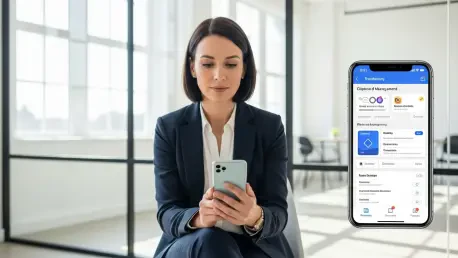
The limitations of standard mobile operating systems often become apparent during complex multitasking, where repetitive data entry and basic calculations can cause significant friction. Advanced clipboard managers like XClip have emerged to solve these specific pain points by extending the functionality of the native copy-paste feature into a comprehensive productivity hub. By allowing users to store frequently used text snippets, such as physical addresses, complex email signatures, or boilerplate responses, these tools eliminate the need to toggle between multiple apps to retrieve information. Furthermore, the integration of specialized features like text-field calculators and Picture-in-Picture functionality for remote management allows users to perform secondary tasks without losing their place in a primary document. This level of efficiency is crucial for mobile-first professionals who need to maintain a high output while on the move.
The true value of these utility applications lies in their ability to reduce the “cognitive switching cost” associated with moving between different types of data. When a user can access a library of pre-defined information through a secondary keyboard or a persistent widget, the flow of their work remains uninterrupted. This is particularly relevant in 2026, as mobile devices continue to replace laptops for a wider range of administrative and creative tasks. Beyond mere text storage, these managers often include security features to protect sensitive data, ensuring that productivity does not come at the expense of privacy. By transforming a simple system function into a versatile toolset, these applications empower users to navigate their digital responsibilities with a level of precision and speed that was previously reserved for desktop environments, ultimately reclaiming valuable time during the workday.
Improving Content Consumption Through Alternative Interfaces
The experience of consuming digital media is frequently marred by intrusive advertisements, restrictive interface limitations, and the push for expensive subscription models. To bypass these barriers, alternative browser interfaces like Video Lite have become essential for users who demand a more refined viewing experience. These applications provide premium-tier features—such as background audio playback, Picture-in-Picture mode, and customizable sleep timers—within a streamlined, lightweight framework. By prioritizing the user’s control over the media player rather than the platform’s desire for ad revenue, these tools create a more immersive and less frustrating environment for educational or entertainment content. This shift is part of a larger movement toward “lean” software that strips away the bloat of mainstream platforms to focus on core functionality and user convenience.
Moreover, these alternative browsers often include advanced privacy settings that block tracking scripts, providing a cleaner and more secure browsing experience compared to standard mobile apps. The ability to watch a lecture or listen to a podcast in the background while responding to messages or browsing the web significantly enhances the utility of the iPhone as a multitasking device. As digital consumers become more discerning, the demand for software that respects their time and their wallet continues to grow. These tools represent a practical solution for those who want the full capabilities of modern streaming without the constant interruptions or high monthly costs associated with official premium tiers. By putting the user back in the driver’s seat of their media consumption, these applications prove that a better digital experience is often just a matter of choosing the right interface.
Reclaiming Time and Focus in the Digital Age
Implementing Disciplined Boundaries with Focus Management
The constant pull of social media and short-form video content has created a modern crisis of attention, making it increasingly difficult to enter a state of deep work. Focus management applications such as Opal address this by providing a rigorous framework for digital discipline, allowing users to implement hard blocks on distracting services during specific hours of the day. Unlike the basic “Do Not Disturb” features found in the OS, these tools use more sophisticated methods to prevent the reflexive opening of apps that sap productivity. By establishing a “digital detox” schedule, users can reclaim their peak hours for meaningful work, study, or family time, effectively silencing the noise of the global attention economy. This proactive approach to time management is essential for anyone looking to maintain a high level of performance in an increasingly distracted world.
The effectiveness of these focus tools is rooted in their ability to make the user conscious of their own digital habits through detailed analytics and behavioral feedback. When a person sees exactly how many hours are being lost to mindless scrolling, the motivation to implement stricter boundaries increases significantly. These apps often include “deep focus” modes that are intentionally difficult to bypass, providing the external willpower needed to overcome internal impulses. As we navigate the complexities of 2026, the ability to manage one’s own attention has become a competitive advantage in the professional sphere. By utilizing technology to limit the negative impacts of other technology, individuals can create a balanced lifestyle where the smartphone remains a tool for progress rather than a source of procrastination. This intentional friction is not a limitation, but a liberation from the cycle of constant digital consumption.
Finalizing the Transition to an Intentional Digital Lifestyle
The evolution of the iOS ecosystem has reached a point where the most significant improvements to daily life often come from small, purposeful changes in how software is utilized. To move forward, users should begin by auditing their existing home screens and identifying the specific apps that cause the most stress or distraction. Replacing one mainstream, high-friction application with a specialized “hidden gem” can serve as a catalyst for a broader shift in digital habits. The next step involves setting clear objectives for what a mobile device should achieve—whether that is providing mental support, streamlining professional tasks, or ensuring high-quality media access. By choosing applications that align with these personal goals, the iPhone is transformed from a generic communication device into a customized powerhouse for personal growth and efficiency.
The transition to a more organized digital life was once a matter of simple organization, but it has now become an essential practice for maintaining mental and professional health. Moving forward, the focus should remain on the principles of humane technology, where every tool on a device serves a clear and beneficial purpose. Users are encouraged to experiment with the utilities discussed, such as gamified wellness trackers or sophisticated clipboard managers, to find the specific combination that fits their unique routine. By taking these actionable steps, individuals can ensure that their technology supports their aspirations rather than detracting from them. The future of mobile interaction is not about more features, but about smarter, more intentional engagement with the tools already at our fingertips, leading to a more focused and fulfilling daily existence.