
The June 29, 2026, release of OpenClaw on iOS and Android marks the first time autonomous agentic software has successfully navigated the rigorous review processes of major app stores. This development signals a departure from the traditional paradigm of mobile digital assistants, which primarily functioned as limited voice-activated interfaces for basic queries. Unlike its predecessors, OpenClaw operates with a degree of independence that allows it to execute multi-step workflows without constant manual oversight from the user. By meeting the stringent criteria set forth by Apple and Google, the platform has managed to overcome long-standing concerns regarding system integrity and unsolicited automated actions. This milestone is not merely a technical achievement but a regulatory breakthrough that paves the way for sophisticated, self-governing software to reside on billions of smartphones. As users demand more from their hardware, the introduction of this tool satisfies the growing need for genuine automation in a mobile world.
Architecture: The Distributed Framework of Mobile Agency
Companion Node Systems: Offloading Intelligence
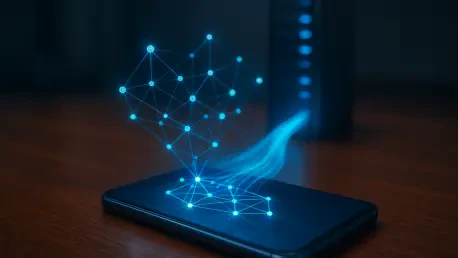
To comprehend how OpenClaw operates on a standard smartphone, one must first recognize that the application is not designed as a monolithic or standalone entity. Instead, the mobile component functions as a sophisticated “companion node” that links to a more powerful, primary processing unit. This decentralized approach allows the mobile software to bypass the traditional hardware limitations that often hinder large-scale artificial intelligence operations on portable devices. By serving as a remote extension of a user-hosted “OpenClaw Gateway,” the app avoids the massive battery drain and heat generation associated with local model inference. The gateway itself is typically installed on a dedicated machine, such as a private Linux server or a high-performance personal computer. This separation of duties ensures that the intense logical reasoning and data processing tasks occur on robust infrastructure, while the mobile device maintains a sleek, highly responsive interface for the end user.
This architectural decision effectively transforms the smartphone into a conduit for high-level agency rather than a simple container for it. By offloading the “thinking” process to an external, user-controlled server, OpenClaw maintains a high level of performance that remains consistent regardless of the handset’s individual processing power. This strategy is particularly beneficial for complex tasks that require extensive memory usage, such as analyzing large document sets or maintaining a persistent memory of past interactions. Because the agent’s core logic resides on the home gateway, the mobile application can remain lightweight, ensuring it does not interfere with other critical smartphone functions. Furthermore, this design allows for near-instantaneous updates to the AI’s reasoning capabilities at the server level without necessitating a full re-installation or update of the mobile application itself. This flexibility provides a seamless experience for those who require continuous, high-performance automation on the go.
Network Integrity: Securing the Gateway Bridge
Establishing a reliable connection between the mobile interface and the remote gateway is achieved through the use of a secure WebSocket protocol. This encrypted bridge facilitates real-time data exchange, allowing the agent to receive commands and transmit results with minimal latency. The privacy implications of this setup are profound, as it ensures that the user’s data never enters a proprietary cloud managed by a third-party corporation. Instead, all sensitive information remains within a private ecosystem that the user personally oversees and secures. By utilizing this point-to-point communication method, OpenClaw bypasses the typical “middleman” architecture of modern cloud services, thereby reducing the risk of large-scale data breaches. This method of communication also allows the agent to maintain a persistent state, meaning it can continue working on a task even if the mobile device temporarily loses its internet connection. Once the connection is restored, the WebSocket automatically synchronizes the latest updates between the phone and the gateway.
Maintaining such a secure and private infrastructure requires the user to take an active role in their digital security posture. While the initial setup may involve configuring a home server, the payoff is a level of data sovereignty that is rarely seen in the current mobile market. Many early adopters have utilized private networking tools to simplify this process, creating a virtual private network that allows the phone to communicate with the gateway as if they were on the same local network. This setup effectively hides the connection from the public internet, adding an additional layer of defense against external threats. The success of this model has proven that mobile agency does not have to come at the cost of personal privacy. By empowering users to host their own “brain,” the platform has redefined the relationship between hardware and intelligence. This decentralized framework not only protects the user but also ensures that the AI agent remains available and functional even if the primary developer’s servers were to experience an unexpected outage.
Functionality: Merging Digital Logic With Physical Reality
Hardware Access: Sensors and Environmental Awareness
A standout feature of the OpenClaw mobile ecosystem is the implementation of “hardware handover” protocols, which allow the remote agent to interact with physical sensors. Upon pairing the device with the home gateway via a secure QR code authentication, the smartphone grants the AI agent temporary, permission-based access to the camera, microphone, and GPS modules. This capability enables the agent to perceive the physical world in a way that was previously impossible for centralized cloud models. For instance, a user can point their camera at a complex technical manual, and the agent on the home server can extract and interpret the text in real-time to provide immediate troubleshooting advice. This direct link between the agent’s logic and the phone’s hardware creates a truly immersive experience where the AI acts as a digital twin of the user’s senses. By processing these sensory inputs through the remote gateway, the system can perform advanced computer vision and audio analysis tasks without overwhelming the mobile hardware.
Beyond simple visual and auditory perception, the integration of geographical data allows for a new level of context-aware automation. The agent can monitor the user’s location in the background and trigger specific workflows based on precise coordinates, such as opening a garage door as a car approaches or sending a summary of the day’s meetings upon arrival at the office. This proactive behavior is a hallmark of agentic AI, moving beyond the reactive “question-and-answer” format of earlier mobile assistants. Because the agent understands the context of the user’s surroundings, it can offer suggestions and take actions that are relevant to the immediate environment. This creates a highly personalized experience that adapts to the nuances of daily life. The ability to delegate these physical sensing tasks to an autonomous agent represents a significant leap forward in mobile utility. It turns the smartphone into a proactive tool that anticipates needs rather than just responding to manual inputs, effectively bridging the gap between digital logic and physical reality.
Operational Modes: The Canvas and Talk Interface
Interaction with the agent is facilitated through two primary operational modes designed for maximum versatility: “Canvas” and “Talk.” The Canvas mode utilizes a specialized web view within the application, allowing the agent to render interactive content, execute scripts, and navigate complex websites directly on the handset’s screen. This is particularly useful for tasks that involve data visualization or multi-step online forms, as the agent can manipulate the interface while the user observes the progress. It essentially provides the agent with its own workspace on the phone where it can perform research or compile reports. This visual transparency builds trust, as the user can see exactly how the agent is interacting with various digital services. Furthermore, the Canvas mode supports custom scripts that can be tailored to specific professional needs, making it a powerful tool for developers and power users who require a high degree of control over their automation workflows on a mobile platform.
The Talk mode provided a fluid, voice-based interface that allowed for background conversations, transforming the smartphone into a truly proactive personal assistant. On Android devices, this integration was deepened by allowing users to trigger their self-hosted agents using native system commands, which effectively replaced less capable default assistants. To maximize the effectiveness of these tools, experts suggested running the gateway in a sandboxed environment to protect sensitive system files from accidental modification by the agent. Users who successfully implemented these security measures reported a significant increase in productivity and a greater sense of control over their personal data. Looking toward the future, the foundation established a clear path for further model-agnostic developments that supported a variety of API providers. This flexibility ensured that the mobile agentic ecosystem remained resilient against vendor lock-in. By adopting these decentralized practices, the community took a decisive step toward a more secure and autonomous digital future for all mobile users.